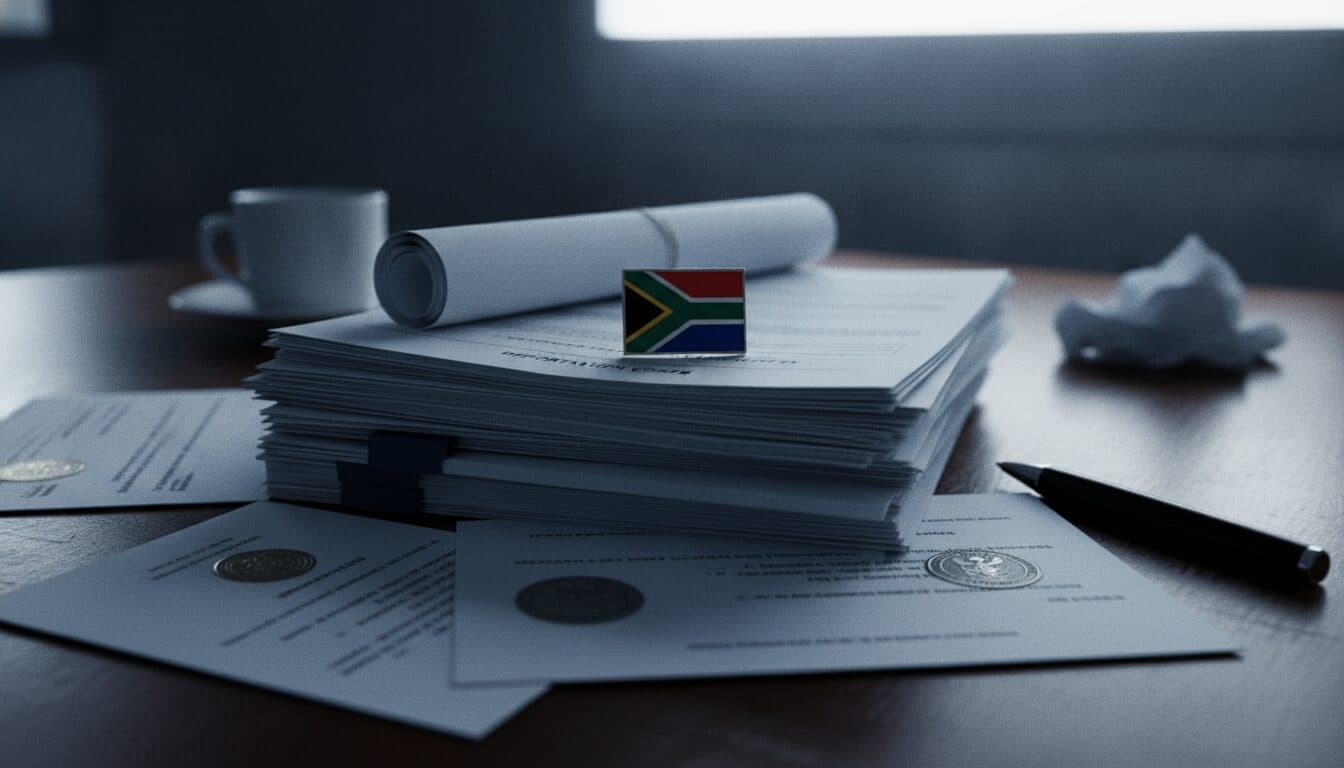
Iran ceasefire extension continues to hold on day 56, maintaining a fragile peace following a decision by former U.S. President Trump. The situation remains fraught with underlying tensions, as international observers closely monitor developments in the region on Friday, April 24, 2026. This extended period of de-escalation, while welcome, has not entirely quelled concerns about the long-term stability of the geopolitical landscape surrounding Iran.
The Story: A Precarious Calm
The current Iran ceasefire extension, now in its 56th day, is a direct result of a policy decision made by former U.S. President Trump. While the specific terms of the extension and its initial duration are not detailed, its continuation into late April 2026 underscores a deliberate effort to prevent further escalation in a volatile region. The parties involved, though not explicitly named, are understood to be the United States and Iran, whose relationship has historically been characterized by periods of intense friction and diplomatic maneuvering. The absence of overt conflict for nearly two months is a significant development, yet the very fact that it’s being tracked on a ‘day 56’ basis highlights its inherent fragility and the constant vigilance required from all sides. The initial rationale behind Trump’s decision would have likely been to create space for de-escalation or negotiation, or to prevent a perceived imminent threat from materializing.
Impact Analysis
The prolonged Iran ceasefire extension has a multifaceted impact on the broader world news landscape. For global energy markets, a sustained period without direct conflict in the Persian Gulf offers a degree of stability, potentially preventing spikes in oil prices that typically accompany heightened tensions in the region. Diplomatically, it represents a tacit, if uneasy, understanding between significant global powers, even without formal re-engagement in broader nuclear talks. However, the lack of a comprehensive, long-term resolution means that the underlying issues persist, acting as a constant undercurrent of risk. Regional allies and adversaries of Iran are also undoubtedly recalibrating their strategies, weighing the implications of this extended truce on their own security and political objectives. The global community, particularly European powers, likely views this extension as a temporary reprieve, urging for more durable diplomatic solutions rather than a perpetual state of ‘extended ceasefire’.
“The continuation of this ceasefire, even if temporary, provides a crucial window for diplomacy, but the absence of a broader framework for resolution means the region remains on a knife-edge.”
Context & Background: A History of Brinkmanship
The current Iran ceasefire extension comes against a backdrop of decades of complex and often adversarial relations between Iran and the West, particularly the United States. Following the U.S. withdrawal from the Joint Comprehensive Plan of Action (JCPOA) in 2018 under former President Trump, tensions escalated significantly, leading to various incidents including attacks on oil tankers, drone strikes, and missile retaliations. The period immediately preceding this ceasefire would have likely involved a heightened state of alert, potentially with near-misses or direct confrontations that prompted the need for a de-escalation measure. Previous attempts at de-escalation have often been short-lived, making the 56-day duration of this current truce noteworthy. Industry trends in the region often involve a delicate balance of military posturing and back-channel diplomacy, with economic sanctions playing a significant role in influencing Iran’s foreign policy decisions. This extension can be seen as another chapter in this ongoing, high-stakes geopolitical drama, where temporary truces often precede renewed periods of tension or negotiation.
What’s Next: The Path Forward
The future implications of this Iran ceasefire extension are uncertain. With the ceasefire now extending into its 56th day on April 24, 2026, upcoming decisions will likely revolve around whether to formalize this de-escalation into more structured diplomatic engagement or if the truce will simply expire, potentially leading to a return of heightened tensions. International bodies and key global players will undoubtedly be working behind the scenes to encourage a more permanent resolution. Predictions range from a gradual re-engagement in multilateral talks concerning Iran’s nuclear program and regional activities, to a scenario where the ceasefire eventually collapses due to an unforeseen incident or a shift in political will. The domestic political landscapes in both the U.S. and Iran will also play a crucial role, with leadership changes or policy shifts potentially altering the current trajectory. The world watches to see if this prolonged calm will pave the way for lasting peace or merely delay an inevitable confrontation.
Key Takeaway
The ongoing Iran ceasefire extension, now in its 56th day, underscores a precarious stability in a region long accustomed to volatility. While it offers a valuable respite from direct confrontation, its temporary nature and reliance on an executive decision from a previous administration highlight the fragility of peace without a comprehensive diplomatic framework. The broader implications for global security, energy markets, and regional alliances remain significant, emphasizing the urgent need for sustained international efforts to address the underlying drivers of conflict and forge a more durable path forward for Iran and its neighbors.