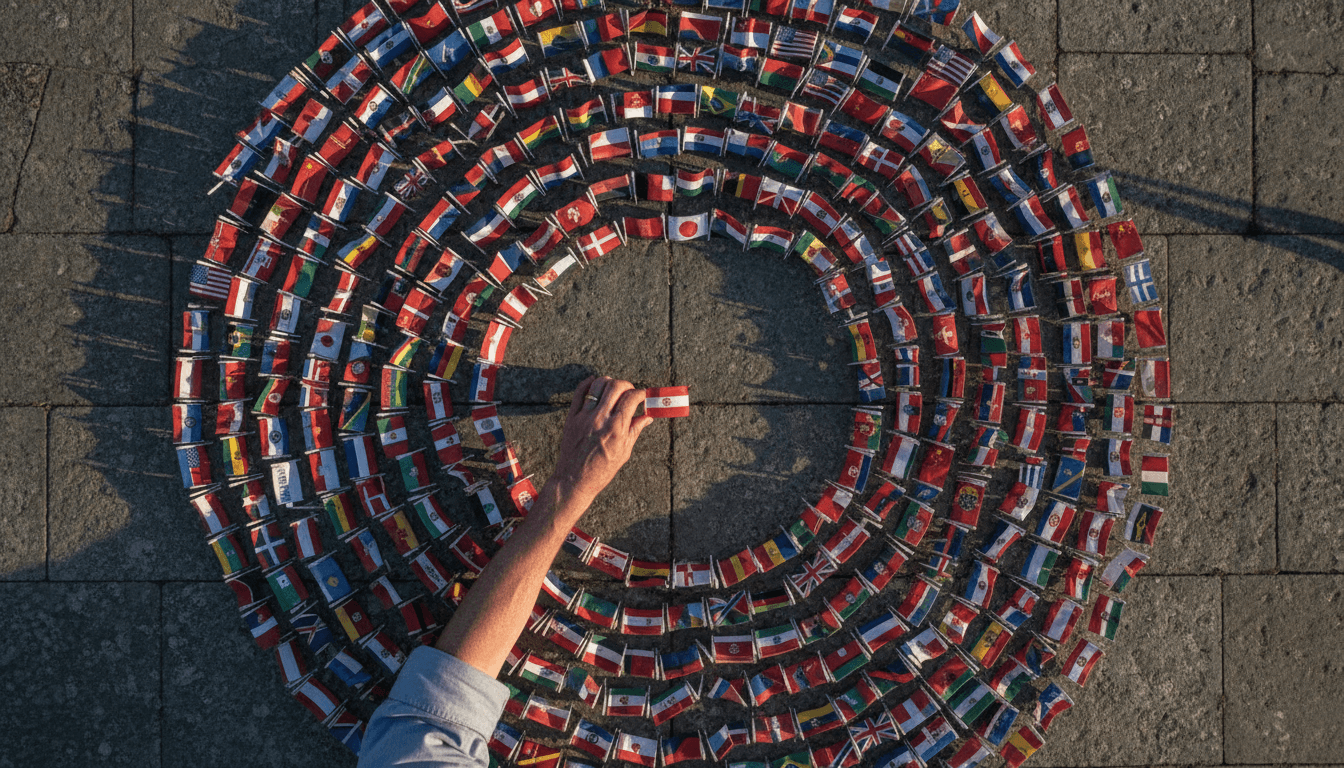
International aid plummets by a record 23%, marking a significant and troubling shift in global humanitarian efforts amidst escalating worldwide crises, as reported by London Business News on Friday, April 10, 2026. This unprecedented decline signals a profound challenge to vulnerable populations and the very fabric of international cooperation, raising urgent questions about the capacity and willingness of nations to address growing global emergencies.
The Story: A Stark Decline in Global Generosity
The latest figures reveal a staggering 23% drop in international aid, a contraction of support that reflects the intensifying pressures faced by donor nations and the compounding effects of a complex global landscape. While specific donor countries or recipient regions were not detailed in the report, the magnitude of this overall reduction points to a widespread retrenchment of aid commitments. This substantial decrease suggests that a combination of factors – likely including domestic economic strains, competing geopolitical priorities, and the sheer scale of global crises – has led to a collective withdrawal from previously committed humanitarian and development funding. The report from London Business News underscores a critical juncture where the needs of the world’s most vulnerable are expanding, even as the resources allocated to assist them are rapidly diminishing.
Impact Analysis: Repercussions Across the Global South
The record 23% reduction in international aid plummets at a time when global challenges, from climate-induced disasters and protracted conflicts to food insecurity and public health emergencies, are at an all-time high. This contraction will undoubtedly have severe repercussions, particularly in the Global South, where many nations rely heavily on external assistance for essential services, infrastructure development, and emergency relief. Projects aimed at improving healthcare, education, food security, and climate resilience are now at risk of being scaled back or entirely abandoned. The withdrawal of funding could exacerbate existing humanitarian crises, leading to increased displacement, famine, and instability, potentially undoing years of progress in sustainable development. Aid organizations on the ground will face immense pressure, forced to make difficult choices about where and how to allocate increasingly scarce resources, potentially leaving millions without critical support. This financial squeeze could also fuel political instability in recipient countries, as governments struggle to meet basic citizen needs without external assistance, creating a fertile ground for unrest and further conflict. Related world news articles frequently highlight the delicate balance maintained by international aid in preventing such scenarios.
Context & Background: A Shifting Aid Landscape
The current downturn in international aid plummets against a backdrop of evolving global dynamics. Over the past decade, while overall aid volumes have seen fluctuations, the calls for more effective and targeted aid have grown louder. Donor fatigue, often cited in periods of economic uncertainty, appears to be manifesting on an unprecedented scale. Prior to this record drop, discussions around aid effectiveness, local ownership, and innovative financing mechanisms dominated development discourse. However, the sheer scale of the current global crises – including persistent inflation, energy shocks, and the lingering effects of pandemics – has seemingly shifted the focus of many traditional donor countries inwards, prioritizing domestic concerns over international commitments. This marks a departure from periods where multilateral cooperation and humanitarian intervention were more readily funded, suggesting a significant re-evaluation of national interests and global responsibilities.
“The dramatic decline in international aid is not merely a statistical anomaly; it represents a profound reordering of global priorities, with potentially devastating consequences for the world’s most vulnerable populations.”
What’s Next: A Looming Humanitarian Crisis
The immediate future following this significant decrease in international aid plummets is fraught with uncertainty. International organizations, NGOs, and recipient governments will be forced to recalibrate their strategies, likely leading to a period of severe austerity in humanitarian and development programming. We can anticipate urgent calls from global leaders and advocacy groups for renewed commitments and innovative solutions to bridge the funding gap. Discussions at upcoming international summits and forums will undoubtedly center on this crisis, with pressure mounting on major economies to reverse this trend. The long-term implications could include a permanent shift in the aid architecture, potentially pushing for more localized funding models or greater reliance on private sector contributions, though neither offers an immediate solution to the current shortfall. The UN and other multilateral bodies may also face significant operational challenges as their core funding sources contract. This situation could also accelerate trends towards regional self-reliance and South-South cooperation, as traditional aid channels become less reliable. The ripple effects will be felt for years, shaping geopolitical relationships and the trajectory of global development.
Key Takeaway: A Call to Re-evaluate Global Solidarity
The record 23% drop in international aid represents more than just a financial shortfall; it is a stark indicator of a potential retreat from global solidarity at a moment when it is most desperately needed. This dramatic reduction underscores the fragility of international cooperation and the immense pressure placed on the existing global humanitarian system. The implications extend beyond immediate relief efforts, touching upon long-term development goals, geopolitical stability, and the moral imperative of assisting those in need. Addressing this crisis will require a concerted and immediate effort from the international community to re-evaluate priorities, mobilize resources, and reaffirm a collective commitment to shared global well-being, before the consequences become irreversible.