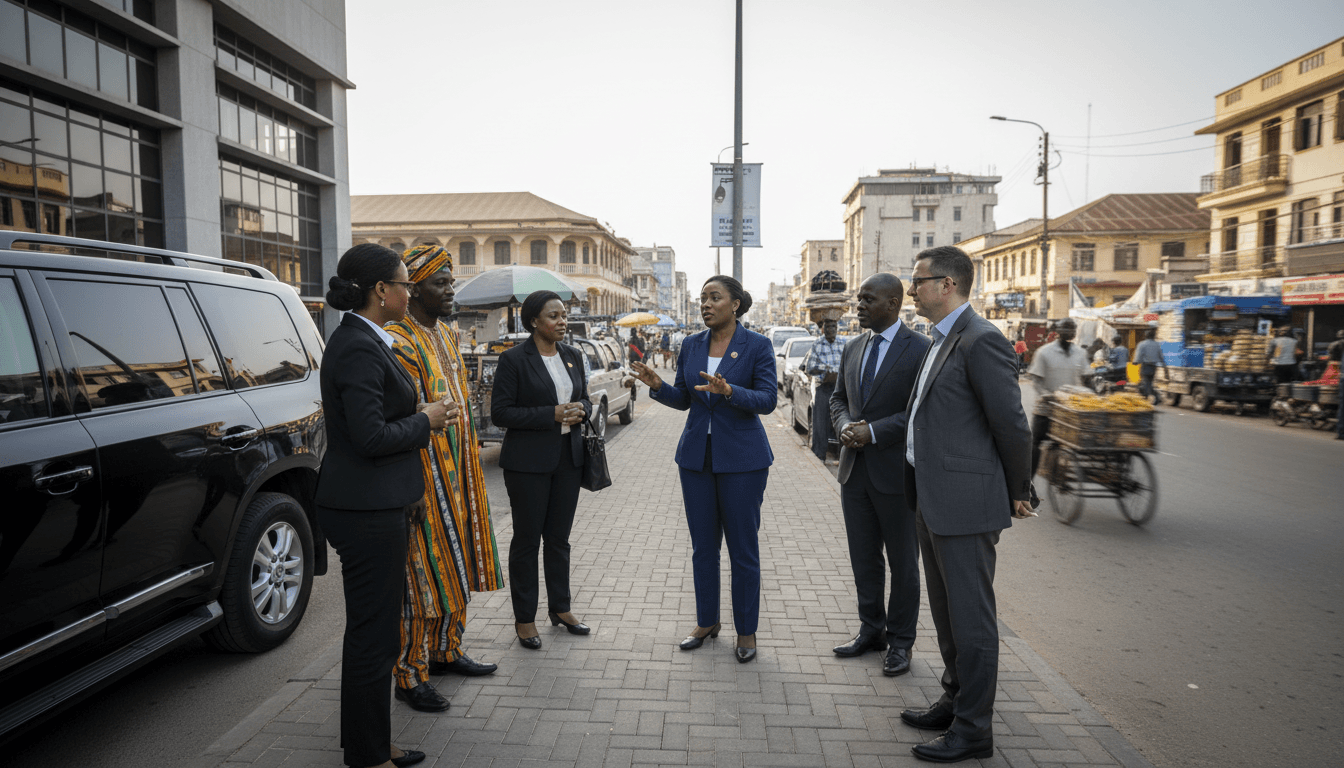
Ghana bears no grudge over UN slavery resolution votes, a sentiment clearly articulated by Ghanaian official Ablakwa to the diplomatic community on Monday, May 4, 2026. This assurance comes at a time when historical injustices, particularly those related to the transatlantic slave trade, continue to be a significant topic in international forums, often leading to complex diplomatic engagements and sensitive voting patterns at the United Nations.
The Story: Diplomacy Amidst Historical Reckoning
The core of this development revolves around Ghana’s proactive efforts to manage its diplomatic relations, specifically addressing any potential fallout from past voting records on UN resolutions concerning slavery. Ablakwa’s direct communication to diplomats underscores Ghana’s commitment to fostering positive international relationships, even when nations hold differing views on sensitive historical and moral issues. While the specific resolutions are not detailed in the provided information, the broader context points to ongoing global discussions about reparations, recognition of historical wrongs, and the pathways to reconciliation.
“Ghana’s stance reflects a mature approach to international diplomacy, acknowledging historical pain while prioritizing contemporary relationships.”
The statement from Ablakwa on May 4, 2026, serves to pre-emptively mitigate any misunderstandings or lingering resentments that might arise from how various nations have cast their votes on these resolutions. This diplomatic gesture is particularly salient for a nation like Ghana, which holds a deeply significant historical connection to the transatlantic slave trade, serving as a major point of departure for millions of enslaved Africans. Its moral authority on such issues is considerable, making its assurances to the diplomatic corps particularly impactful.
Impact Analysis
This diplomatic assurance by Ghana bears no grudge over UN slavery resolution votes has a ripple effect across the broader world news landscape. It reinforces the importance of dialogue and understanding in navigating complex historical legacies that continue to shape international relations. For nations that may have voted against or abstained from resolutions seeking stronger acknowledgments or reparations for slavery, Ghana’s message offers a pathway for continued engagement without the burden of perceived animosity. This could encourage more open discussions on these difficult topics, potentially leading to more constructive outcomes in future UN deliberations. It also signals Ghana’s leadership in promoting reconciliation and forward-looking diplomacy, rather than allowing historical grievances to impede present-day partnerships. Related world news articles often highlight the challenges nations face in reconciling historical injustices with modern geopolitical realities.
Context & Background: A Legacy of Slavery and Diplomatic Engagement
The issue of slavery and its enduring legacy has been a recurring theme at the United Nations for decades. Resolutions range from condemning modern forms of slavery to calling for recognition and, in some cases, reparations for historical injustices. Voting on these resolutions can be highly contentious, reflecting diverse national interests, historical interpretations, and economic considerations. Some nations, particularly those with a direct historical link to the slave trade, advocate strongly for robust resolutions, while others, often former colonial powers or nations without direct historical involvement, may take a more cautious or even opposing stance. Ghana, as a nation profoundly affected by the transatlantic slave trade, has consistently been a vocal proponent of addressing these historical wrongs on the international stage. Ablakwa’s statement on May 4, 2026, therefore, is not a retreat from this principled stand but rather a strategic diplomatic move to ensure that this advocacy does not alienate potential partners in other areas of international cooperation.
What’s Next: Continued Dialogue and Evolving UN Agendas
Looking ahead, Ghana’s assurance that it bears no grudge over UN slavery resolution votes could set a precedent for how nations approach other sensitive historical issues in multilateral forums. It might encourage more open and less confrontational discussions, fostering an environment where historical truths can be acknowledged without necessarily leading to diplomatic impasses. Future UN agendas are likely to continue featuring resolutions on human rights, historical justice, and the fight against contemporary forms of slavery. Ghana’s diplomatic stance could influence the tenor of these discussions, potentially paving the way for more nuanced and widely supported resolutions. The focus will likely shift towards practical steps for reconciliation, education, and development, rather than solely on assigning blame. Further engagements between Ghanaian officials and the diplomatic community are expected to reinforce this message, building stronger bridges for future collaborations on a range of global issues. Explore more on international diplomacy and human rights.
Key Takeaway: Diplomacy Over Division
Ablakwa’s assurance that Ghana bears no grudge over UN slavery resolution votes is a significant diplomatic maneuver, emphasizing that historical grievances, while deeply felt, need not permanently overshadow contemporary international relations. It underscores Ghana’s commitment to a pragmatic and forward-looking foreign policy, prioritizing dialogue and cooperation over lingering resentment. This approach is crucial for fostering a more cohesive international community, capable of addressing shared global challenges effectively, even as it grapples with the complex and often painful legacies of the past.