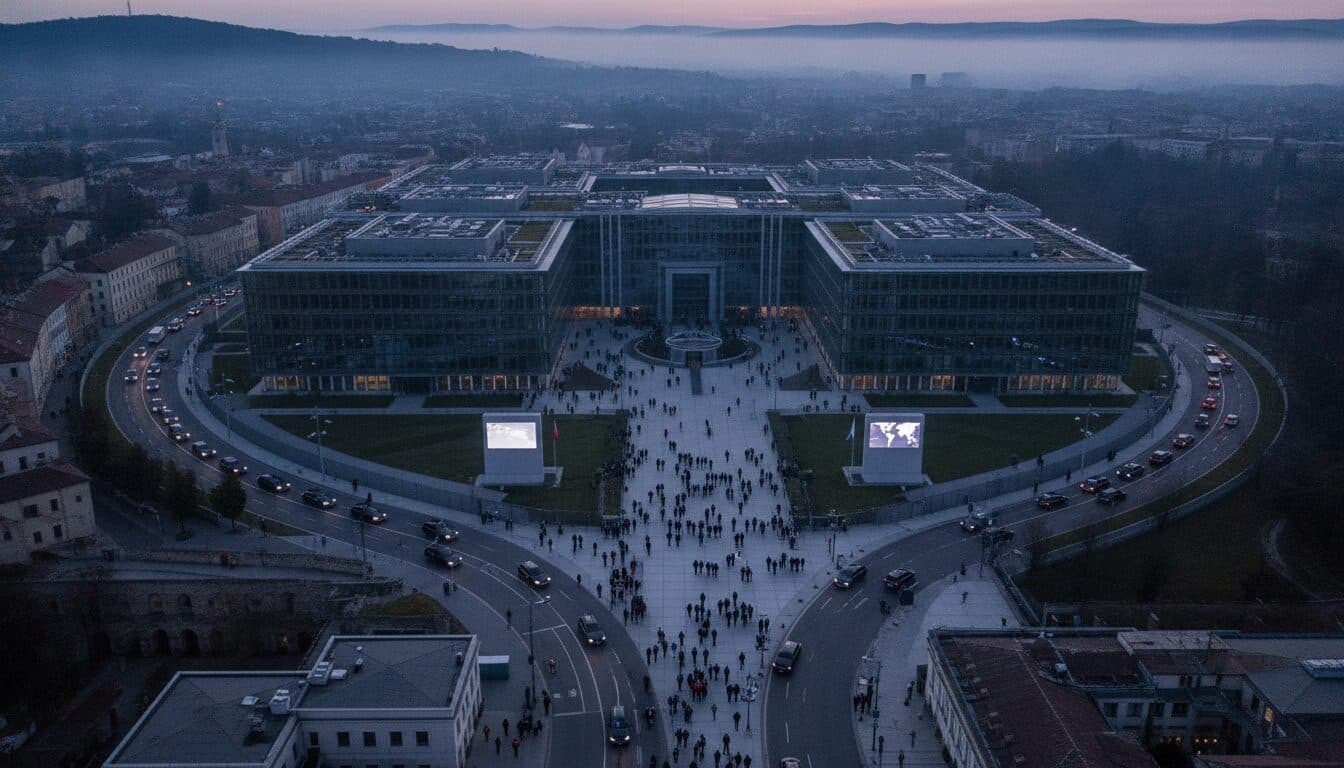
The Eastern Arc peace summit, a critical international gathering, commenced yesterday in Geneva, marking a pivotal moment in global efforts to de-escalate the intensifying crisis. Global leaders have convened for this high-stakes meeting, bringing together delegates from major world powers, regional stakeholders, and humanitarian organizations in a concerted effort to find a lasting diplomatic resolution to the protracted conflict. Discussions are centered on immediate ceasefire agreements, establishing secure humanitarian corridors, and laying the groundwork for long-term peace initiatives. The urgency of the situation is underscored by reports of widespread displacement and severe shortages of essential resources across the affected territories, prompting a unified call for swift, decisive action from the international community.
The summit’s agenda is packed with bilateral and multilateral talks, focusing on overcoming significant diplomatic hurdles that have previously hindered progress. Key representatives from nations directly involved in the conflict are engaging in intense negotiations, facilitated by neutral mediators. Observers hope that this renewed push for dialogue will yield tangible results, providing a much-needed respite for the millions of civilians caught in the crossfire and paving the way for sustainable development.
Diplomatic Breakthrough Efforts Gain Momentum
Efforts to achieve a diplomatic breakthrough are showing cautious signs of progress as delegations engage in detailed discussions behind closed doors. Sources close to the negotiations indicate that a preliminary framework for a staggered ceasefire is being considered, which could include specific timelines for the cessation of hostilities in key conflict zones. This development follows several rounds of preliminary talks that sought to identify common ground and areas of potential compromise among the warring factions and their international backers.
The intricate nature of the conflict, involving numerous non-state actors alongside national armies, presents a complex challenge. However, the unified stance of the international mediators, emphasizing the dire humanitarian consequences, appears to be exerting pressure on all parties to prioritize dialogue over further military action. Any agreement reached would require robust monitoring mechanisms to ensure compliance.
“The unified stance of the international mediators, emphasizing the dire humanitarian consequences, appears to be exerting pressure on all parties to prioritize dialogue over further military action.”
Humanitarian Crisis Deepens Amid Regional Instability
The humanitarian situation in the Eastern Arc continues to deteriorate rapidly, with relief agencies reporting an alarming increase in the number of people requiring urgent assistance. Millions have been displaced from their homes, seeking refuge in overcrowded camps or makeshift shelters, often lacking access to clean water, food, and medical care. The ongoing violence and logistical challenges have severely hampered the delivery of aid, leaving vulnerable populations on the brink of catastrophe. Children are particularly affected, facing malnutrition, disease, and disruption to their education. International aid organizations have issued repeated pleas for unimpeded access to all affected areas, highlighting the critical need for safe passage for aid convoys and medical personnel. The summit is expected to produce concrete commitments regarding humanitarian access and funding for relief operations. Reports from local health facilities paint a grim picture, with many struggling to cope with the influx of injured civilians and a severe shortage of medicines and equipment. The lack of functional infrastructure, including damaged roads and communication networks, further exacerbates the crisis, making it difficult to assess the full extent of the suffering and deliver timely assistance.
Key Players and Proposals Shaping Negotiations
Several influential nations and regional blocs are playing pivotal roles in shaping the current negotiations. Representatives from the United Nations, the African Union, and the European Union are actively mediating, presenting various proposals aimed at breaking the deadlock. These proposals range from internationally supervised demilitarized zones to power-sharing arrangements and transitional justice mechanisms, all designed to foster long-term stability.
The involvement of neighboring countries is also crucial, as their security and economic interests are closely tied to the stability of the Eastern Arc. Their delegates are advocating for border security protocols and regional cooperation frameworks to prevent the spillover of conflict and manage refugee flows effectively. Their input is considered vital for any sustainable peace agreement.
Specific proposals under consideration include a phased withdrawal of foreign forces, the establishment of a neutral peacekeeping mission, and a comprehensive reconstruction plan for the war-torn areas. The financial implications of these initiatives are also a significant part of the discussions, with calls for substantial international funding to support recovery efforts. Furthermore, civil society organizations and local community leaders are being consulted to ensure that any peace agreement reflects the needs and aspirations of the affected populations. Their perspectives are crucial for building trust and ensuring the inclusivity of the peace process, moving beyond purely political considerations to address the root causes of discontent.
Economic Repercussions and Global Concern
The protracted conflict in the Eastern Arc has unleashed severe economic repercussions, not only for the region itself but also for the broader global economy. Supply chains have been disrupted, vital trade routes have been compromised, and agricultural production has plummeted, leading to significant price increases for staple goods. The instability has deterred foreign investment, crippling local economies and exacerbating poverty levels among the populace, creating a vicious cycle of hardship. International markets are closely monitoring the situation, as the Eastern Arc is a critical producer of several key commodities. Continued instability threatens to drive up global commodity prices further, impacting consumers worldwide and potentially contributing to inflationary pressures in various economies. The summit’s outcomes are therefore keenly watched by financial analysts and policymakers seeking to mitigate these wider economic risks and restore predictability to international trade flows.
Historical Context of Regional Instability
The current crisis in the Eastern Arc is deeply rooted in a complex tapestry of historical grievances, ethnic tensions, and competition over natural resources that have plagued the region for decades. Colonial legacies, poorly drawn borders, and a history of external interference have contributed to a fragmented political landscape, where cycles of violence have become tragically commonplace. Successive governments have often struggled to establish effective, inclusive governance, leading to marginalization and resentment among various communities, which have been exploited by political opportunists and armed groups alike. Past peace accords, while offering temporary relief, frequently failed to address the underlying structural issues, leading to their eventual collapse and renewed conflict. Understanding this intricate historical backdrop is essential for crafting a durable peace solution that goes beyond superficial agreements and tackles the fundamental drivers of instability, integrating local traditional conflict resolution mechanisms where appropriate to build genuine grassroots reconciliation and foster a shared future.
Future Outlook and Challenges Persist
Despite the current diplomatic efforts, the path to lasting peace in the Eastern Arc remains fraught with significant challenges. Implementing any agreement will require sustained political will, robust international support, and genuine commitment from all parties to uphold their promises. The complex interplay of internal and external factors means that even with a breakthrough at the summit, the journey towards full stability and recovery will be a prolonged one, demanding continuous engagement and vigilance from the global community. The success of this Eastern Arc peace summit will ultimately be measured not just by the agreements signed in Geneva, but by their tangible impact on the lives of millions and the long-term stability of a region historically marked by conflict.