Canada faces a daily energy crisis soon, according to a stark warning issued by the International Energy Agency (IEA) chief on Wednesday, May 6, 2026. This pronouncement underscores a growing global concern about energy security and affordability, signaling that even resource-rich nations like Canada are not immune to the volatility gripping international markets.
The Impending Canadian Energy Crisis
The IEA chief’s declaration, reported by Global News, paints a sobering picture for Canada. While specific details of the ‘daily issue’ were not enumerated in the initial report, the implication is clear: energy supply disruptions, price spikes, or accessibility challenges could become a regular feature of Canadian life. This warning comes amidst a backdrop of escalating geopolitical tensions and supply chain fragilities that have already sent ripples through global energy markets. For a nation that is a significant producer and exporter of oil and natural gas, the prospect of an internal energy crisis soon represents a critical paradox.
The IEA, a Paris-based autonomous intergovernmental organization, is a leading authority on energy policy, statistics, and recommendations. Its head’s direct admonition to Canada suggests a deep-seated analysis of the country’s energy vulnerabilities, whether related to infrastructure, policy, or demand-supply dynamics. The timing of this warning, in early May 2026, also hints at potential seasonal demands or anticipated global market shifts that could exacerbate Canada’s situation.
Impact Analysis
This development has significant implications for the broader world news landscape. Canada, often viewed as an energy secure nation, becoming subject to a daily energy crisis soon could serve as a bellwether for other developed economies. It highlights the pervasive nature of the current global energy challenges, demonstrating that even those with substantial domestic resources are vulnerable to external shocks and internal systemic issues. The IEA’s warning could prompt other nations to reassess their own energy strategies, accelerating transitions to renewables or bolstering domestic fossil fuel production, depending on their individual contexts.
“The IEA’s warning to Canada is a potent reminder that energy security is a global challenge, not confined to import-dependent nations. It forces a re-evaluation of national energy resilience strategies worldwide.”
Economically, a Canadian energy crisis soon would likely translate into higher costs for consumers and businesses, potentially impacting inflation, industrial competitiveness, and overall economic growth. Politically, it could ignite debates over energy policy, infrastructure investments, and the pace of the energy transition. Internationally, it may shift perceptions of Canada’s role as a reliable energy partner and potentially influence investment flows into its energy sector.
Context & Background
The global energy crisis has been a recurring theme in international affairs for several years, intensified by events such as the 2022 Russian invasion of Ukraine, which significantly disrupted European gas supplies and sent oil prices soaring. While the immediate shockwaves of that conflict have somewhat receded, the underlying structural issues – underinvestment in conventional energy, slow progress in scaling renewables, and increasing global demand – persist. These factors have created a volatile environment where energy security is a constant concern for governments and populations alike.
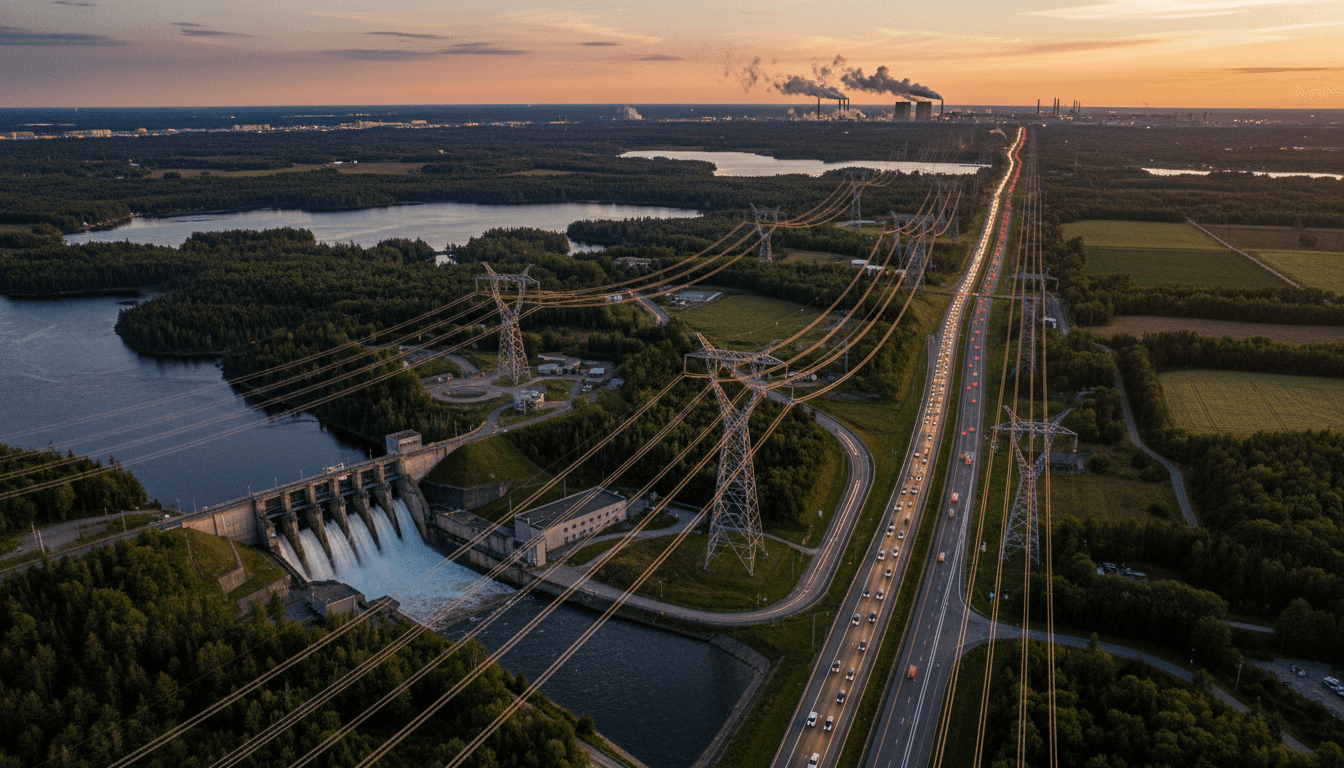
Canada, despite its vast energy reserves, has faced its own set of challenges. Debates surrounding pipeline infrastructure, environmental regulations, and the transition away from fossil fuels have often created policy uncertainty. The country’s reliance on specific energy grids, particularly in remote areas, and the vast distances over which energy must be transported, also present unique logistical hurdles. Previous instances of localized energy shortages or price spikes, though not yet a ‘daily issue,’ have provided glimpses into potential vulnerabilities. For more on the global energy landscape, readers can explore related world news articles on our platform.
What’s Next
The IEA chief’s warning will undoubtedly prompt urgent discussions within Canadian governmental and industry circles. Immediate actions could include reviewing national energy emergency plans, assessing critical infrastructure vulnerabilities, and potentially accelerating projects aimed at enhancing energy supply resilience. We can expect increased scrutiny on Canada’s energy export policies versus domestic needs, and a renewed focus on energy conservation efforts. The long-term implications could involve a re-evaluation of Canada’s energy mix, with potential accelerated investments in renewable energy sources and grid modernization to mitigate the risks of a daily energy crisis soon. International partners will also be watching closely, as Canada’s response could set precedents for how other resource-rich nations navigate similar warnings.
Key Takeaway
The IEA chief’s warning that Canada faces a daily energy crisis soon is a potent signal of the pervasive and complex nature of global energy insecurity. It underscores that no nation, regardless of its resource endowment, is entirely insulated from the systemic vulnerabilities of the global energy system. For Canada, this means a critical juncture for policy decisions that will shape its economic stability, environmental commitments, and international standing in the years to come. The global community will be observing closely, as Canada’s approach to this impending challenge could offer valuable lessons for navigating the turbulent waters of 21st-century energy dynamics.