A potential Bab al-Mandab conflict could devastate global oil trade, Russian Foreign Minister Sergey Lavrov warned on Wednesday, underscoring mounting international fears over escalating maritime tensions in West Asia. Speaking in an interview with RT India, Lavrov highlighted the narrow waterway connecting the Red Sea to the Arabian Sea as an increasingly precarious geopolitical flashpoint, intertwined with broader regional instability involving Iran, Israel, the United States, and armed groups operating around Yemen.
“There is already talk that the Bab el-Mandeb Strait could become a theater of confrontation. In that case, the damage this would inflict on the global energy sector would be immeasurable,” Lavrov stated, emphasizing the catastrophic economic ripple effects that a military escalation in this critical maritime chokepoint would unleash. His remarks on May 13, 2026, come amid a period of heightened volatility, with global energy markets already sensitive to supply disruptions and geopolitical maneuvering.
Escalating Red Sea Tensions and Global Instability
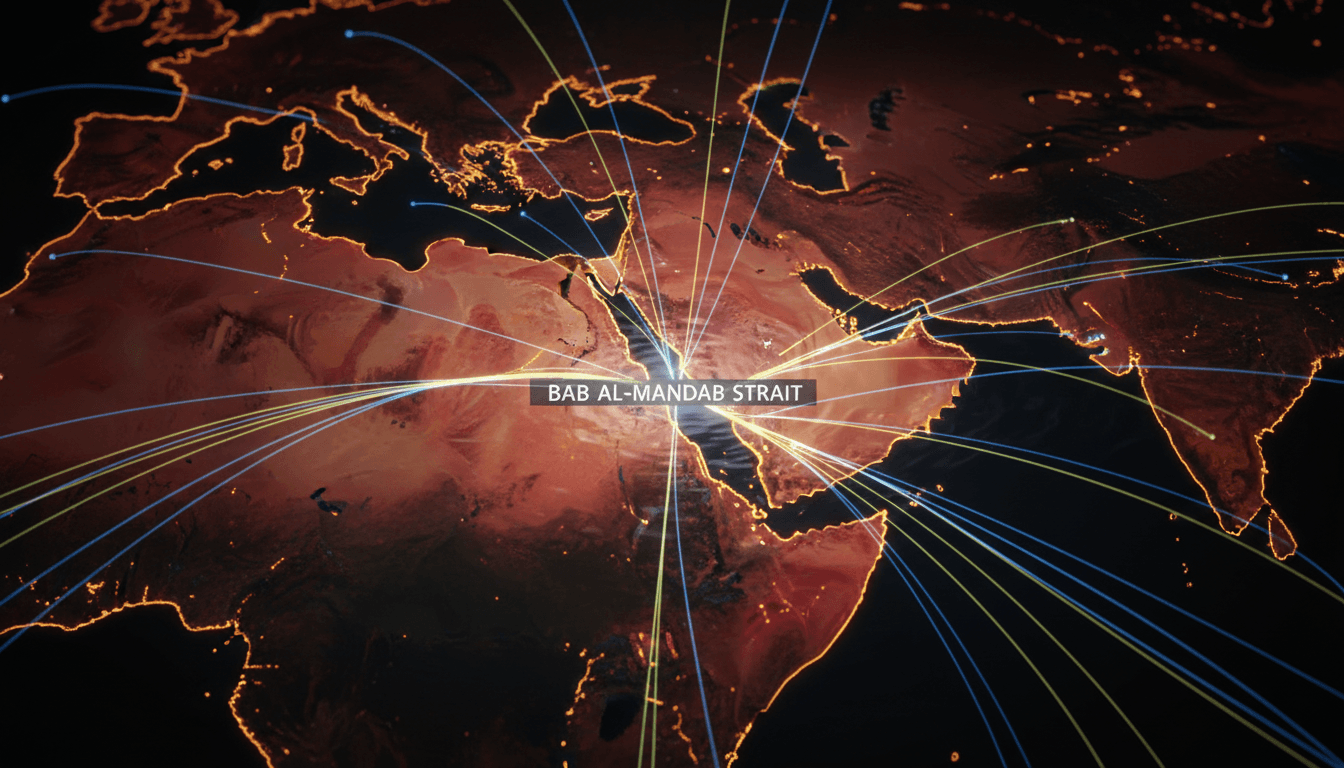
Lavrov’s stark warning connects the potential Bab al-Mandab conflict directly to the ongoing crisis in Palestine and the broader Red Sea tensions. He articulated a view that these interconnected crises are not isolated incidents but rather symptoms of a long-term global instability that threatens established international trade routes and energy supplies. The Bab al-Mandab Strait, a vital artery for international shipping, particularly for oil and natural gas shipments from the Persian Gulf to Europe and North America, is now seen as a crucial vulnerability.
The strategic importance of the Bab al-Mandab, meaning ‘Gate of Tears’ in Arabic, cannot be overstated. Approximately 10% of the world’s seaborne oil and 8% of liquefied natural gas (LNG) passes through this strait daily. Any significant disruption, whether from military confrontation or sustained attacks on commercial vessels, would necessitate longer, more expensive shipping routes around the Cape of Good Hope, adding days or weeks to transit times and dramatically increasing freight and insurance costs. This would inevitably translate into higher energy prices for consumers worldwide, fueling inflation and potentially triggering a global economic downturn.
Context of Geopolitical Flashpoints
The current concerns about a Bab al-Mandab conflict are set against a backdrop of complex and interlocking regional dynamics. The conflict in Yemen, involving various armed groups, has long been a source of instability. Coupled with the enduring Israeli-Palestinian crisis and the intricate power plays between Iran, the US, and their respective allies, the region remains a powder keg. Lavrov’s comments serve as a reminder that localized conflicts have profound global implications, particularly when they impinge upon critical infrastructure like maritime trade routes.
“The damage this would inflict on the global energy sector would be immeasurable.”
The prospect of a direct military confrontation in the Bab al-Mandab conflict zone raises the specter of a wider regional conflagration. Such a scenario would not only impact energy markets but also disrupt supply chains for countless other goods, further straining a global economy still recovering from recent shocks. The international community, therefore, faces the urgent challenge of de-escalating tensions and seeking diplomatic solutions to prevent such a catastrophic outcome.
What’s Next for Global Energy Markets?
The immediate future hinges on diplomatic efforts to de-escalate tensions and secure the Bab al-Mandab Strait. International organizations and major powers will likely intensify their engagement to prevent further militarization of the Red Sea and surrounding areas. However, the intertwined nature of the regional conflicts means that resolving the threat to maritime trade is inextricably linked to addressing the underlying political disputes, including the Palestine crisis. Absent a comprehensive diplomatic breakthrough, the risk of a severe Bab al-Mandab conflict will persist, keeping global energy markets on edge.
Energy analysts are already modeling scenarios for prolonged disruptions, with implications for oil and gas prices, shipping insurance premiums, and alternative supply routes. The long-term stability of global trade and energy security will depend on the ability of international actors to navigate these complex geopolitical waters without triggering a full-scale confrontation in one of the world’s most critical maritime passages. The stakes, as Lavrov highlighted, could not be higher for the global economy and its reliance on stable energy supplies.