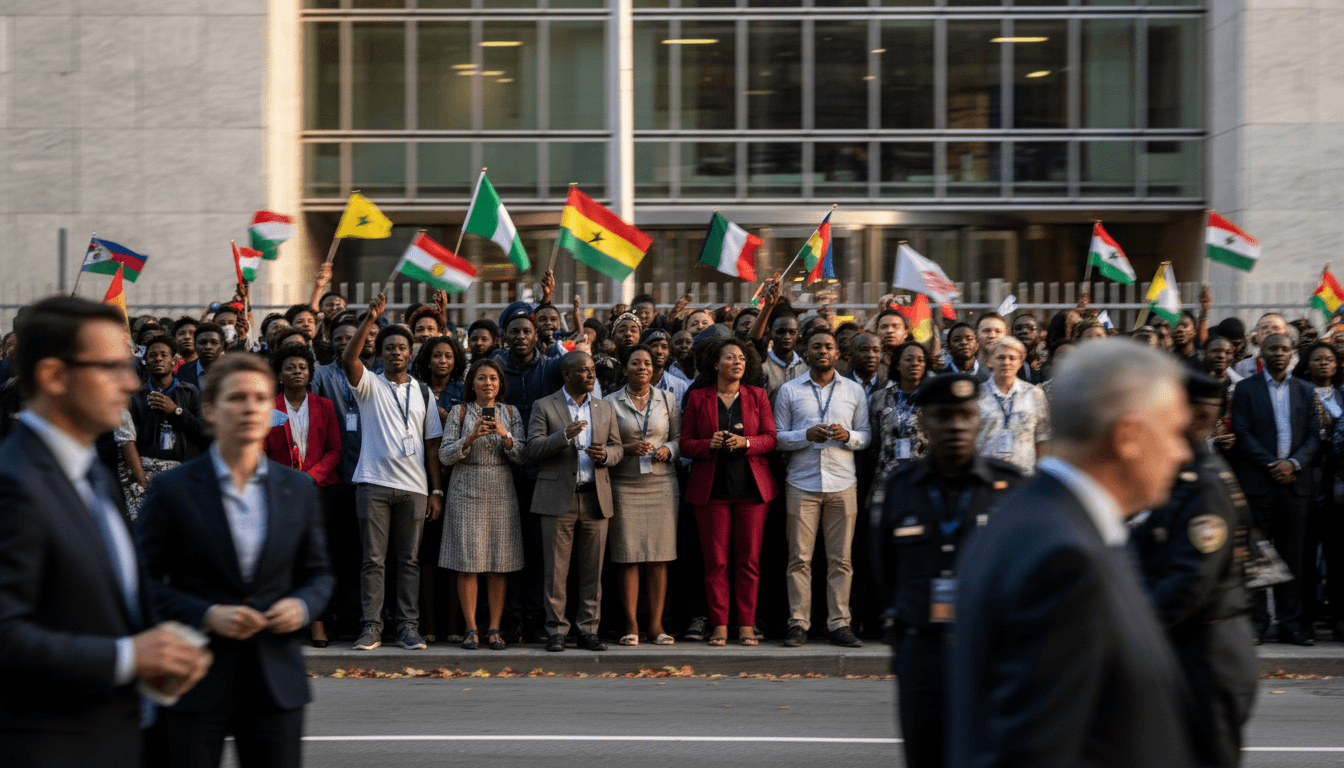
African nations rally behind Zimbabwe as United Nations Security Council voting gets underway on Wednesday, June 3, 2026, signaling a unified continental stance on a matter of significant international import. This collective endorsement from across Africa underscores a complex interplay of sovereignty, regional solidarity, and geopolitical maneuvering within the global governance framework.
The voting process, reported by Herald.co.zw, highlights a concerted effort by African states to present a united front at the UN’s highest decision-making body. While the specific resolution or issue under consideration for Zimbabwe was not detailed in the initial report, the act of rallying support at the Security Council suggests a critical juncture for the Southern African nation, potentially involving sanctions, peace and security mandates, or other resolutions impacting its international standing.
African Nations Rally Behind Zimbabwe
The collective support from African nations for Zimbabwe at the United Nations Security Council vote is a powerful statement. It reflects a growing trend of African countries leveraging their collective voice on the global stage, particularly when issues involving African states are debated in international forums. This solidarity often stems from shared historical experiences, a commitment to Pan-Africanism, and a desire to resist external pressures that are perceived as undermining national sovereignty.
“The continent’s unified stance at the UN Security Council sends a clear message that African solutions and perspectives must be central to discussions concerning African nations.”
This development will inevitably reshape discussions surrounding Zimbabwe’s international relations and its standing within the global community. The support from its continental peers could significantly bolster Zimbabwe’s diplomatic leverage, potentially influencing the outcome of the Security Council vote and subsequent international policy decisions. It also signals a potential shift in how international bodies engage with African issues, moving towards greater deference to regional consensus.
Context & Background
Zimbabwe has historically faced scrutiny and various forms of international pressure, often related to governance, human rights, and economic policies. The country has been subject to sanctions from Western nations for decades, leading to a complex relationship with a significant portion of the international community. Against this backdrop, the unified support from African nations at the UN Security Council is particularly salient. It reflects a long-standing desire among many African states to challenge what they perceive as unilateral interventions or disproportionate criticisms from non-African powers.
This episode also aligns with broader trends in international relations where regional blocs are increasingly asserting their influence. The African Union, for instance, has often advocated for common African positions on issues ranging from climate change to security, aiming to amplify the continent’s voice and protect the interests of its member states. The current push to see African nations rally behind Zimbabwe can be seen as a direct manifestation of this strategic imperative. For more on regional dynamics and international diplomacy, see our related world news articles.
What’s Next
The immediate future will hinge on the outcome of the United Nations Security Council vote. Depending on the nature of the resolution, the results could have profound implications for Zimbabwe’s economic prospects, its diplomatic relationships, and its internal political landscape. A favorable outcome, bolstered by African solidarity, could lead to a re-evaluation of existing international policies towards Zimbabwe, potentially opening doors for increased investment and reduced international isolation. Conversely, if the resolution proceeds despite African support, it could further entrench existing divisions.
Beyond the vote, this event is likely to foster deeper collaboration among African states in international forums. It could serve as a precedent for how African nations approach future Security Council debates concerning other African countries, solidifying a more unified and assertive continental foreign policy. The long-term impact on global governance could be a more multipolar system where regional blocs, like the African Union, wield greater collective influence.
Key Takeaway
The act of African nations rally behind Zimbabwe at the UN Security Council is more than just a vote; it’s a powerful demonstration of regional solidarity and a clear assertion of African agency on the global stage. This event underscores the evolving dynamics of international relations, where collective regional action can significantly influence outcomes and challenge traditional power structures. It signals a future where African voices are increasingly pivotal in shaping global policy, particularly on matters directly affecting the continent.