The 2026 Iran war, a conflict spanning just over two months, has concluded leaving a trail of immense damage, thousands dead across Iran, Lebanon, Israel, and the Gulf Arab states, and millions displaced in the Middle East. The joint military operation, code-named Operation Epic Fury by the United States, began on February 28, 2026, and officially ceased on May 5, marking a significant escalation in long-standing tensions between Iran and Western allies. The initial U.S. and Israeli strikes aimed at Iranian military infrastructure and leadership, including the supreme leader, triggered a widespread retaliatory response from Tehran, impacting global trade and stability.
Operation Epic Fury commenced with nearly 900 strikes launched by U.S. and Israeli forces within a 12-hour period on February 28. These coordinated attacks targeted Iranian missile sites, air defenses, military facilities, and key leadership figures. Critically, the opening salvo resulted in the death of Supreme Leader Ali Khamenei and dozens of other officials. However, the strikes also caused unintended civilian casualties, with approximately 170 people killed when a missile struck a girls’ school adjacent to a naval base in Minab, near Bandar Abbas. This immediate and severe blow to the Iranian regime’s leadership set the stage for a torrent of retaliatory actions.
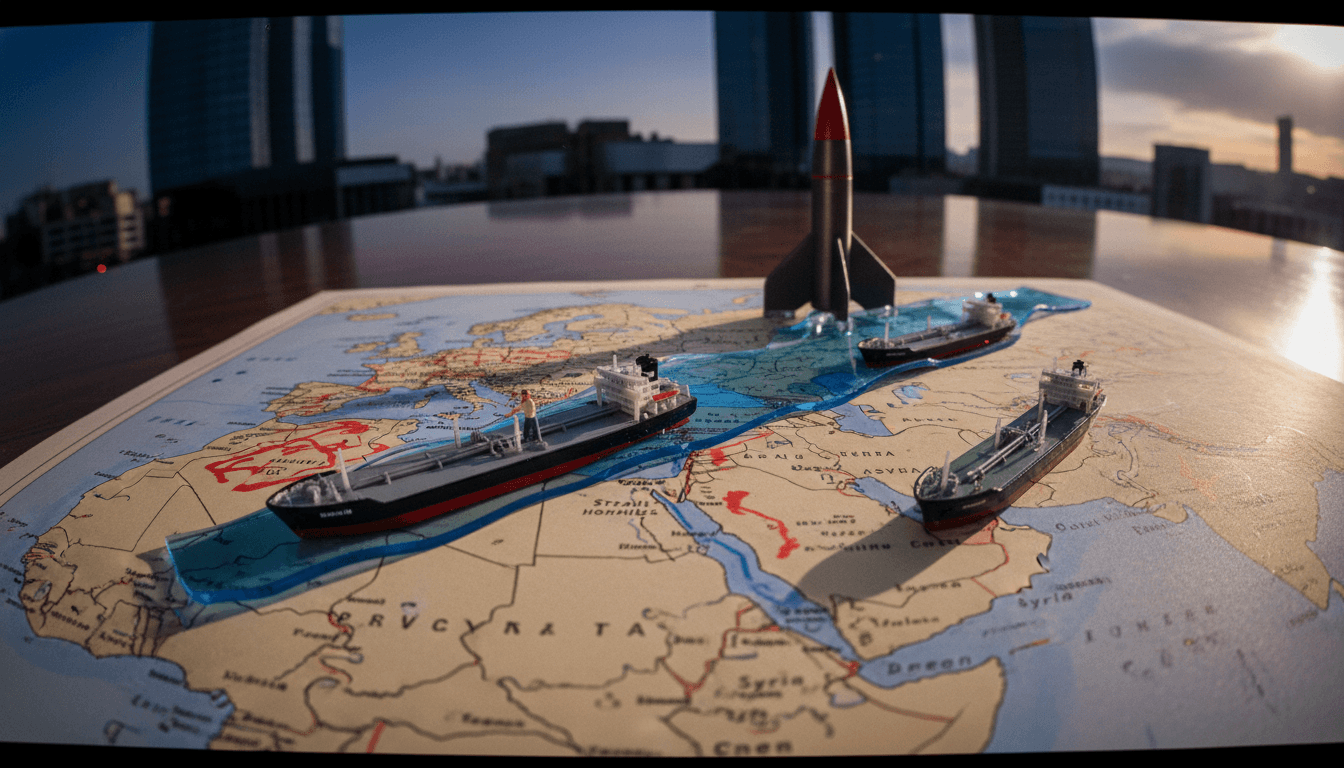
Iran’s response was swift and extensive, deploying hundreds of retaliatory missiles and thousands of drones across the Middle East. These strikes targeted U.S. embassies, military installations, and critical oil infrastructure. A key component of Iran’s strategy was to disrupt shipping in the Strait of Hormuz, a vital choke point for global oil supplies. Attacks on vessels in the Strait of Hormuz and other oil infrastructure, such as the port of Jebel Ali in the UAE, aimed to exact significant economic costs and pressure adversaries into mediation. This broad retaliation, however, further destabilized the region and escalated the conflict.
Global Economic Impact and the 2026 Iran War
The global economic impact of the 2026 Iran war has been profound and far-reaching. The conflict severely disrupted global travel and trade, leading to the halting of flights in and out of the Middle East. Perhaps most significantly, shipping routes were extensively rerouted to avoid the Strait of Hormuz and the Red Sea, both crucial maritime arteries. This diversion of shipping traffic has undoubtedly led to increased costs, longer transit times, and significant supply chain disruptions across various industries worldwide. The sustained threat to oil infrastructure and shipping lanes underscored the interconnectedness of global economies with the stability of the Middle East.
“The disruption to the Strait of Hormuz alone has sent shockwaves through global markets, demonstrating the critical vulnerability of international trade to regional conflicts.”
The background to this conflict is rooted in decades of animosity between the United States and Iran, stretching back to the 1979 Islamic Revolution and the subsequent Iran hostage crisis. These historical events established a deep-seated mutual hostility and distrust. In the immediate lead-up to the 2026 conflict, key points of contention included Iran’s persistent nuclear program, its development of ballistic missiles, and its expanding military influence across the Middle East. Failed attempts to renegotiate a nuclear deal following the collapse of the 2015 Joint Comprehensive Plan of Action (JCPOA) further exacerbated tensions, pushing the region closer to open conflict.
Looking ahead, the cessation of hostilities on May 5 does not necessarily signal an end to regional instability. Reports indicate that Iran has stopped talking to mediators over Israel’s fighting with Hezbollah in Lebanon, suggesting that proxy conflicts continue to simmer. While the immediate military operation has concluded, the long-term implications for regional security, energy markets, and international relations remain uncertain. The new supreme leader of Iran, whose identity is yet to be widely disclosed, is reportedly ‘engaged’ with U.S. talks, offering a glimmer of hope for future diplomatic engagement, but the path to lasting peace will be fraught with challenges.
The 2026 Iran war serves as a stark reminder of the volatile nature of geopolitics in the Middle East and the devastating consequences when diplomatic efforts fail. The humanitarian crisis, economic fallout, and enduring political ramifications will undoubtedly shape regional dynamics for years to come, demanding sustained international attention and concerted efforts towards de-escalation and rebuilding.