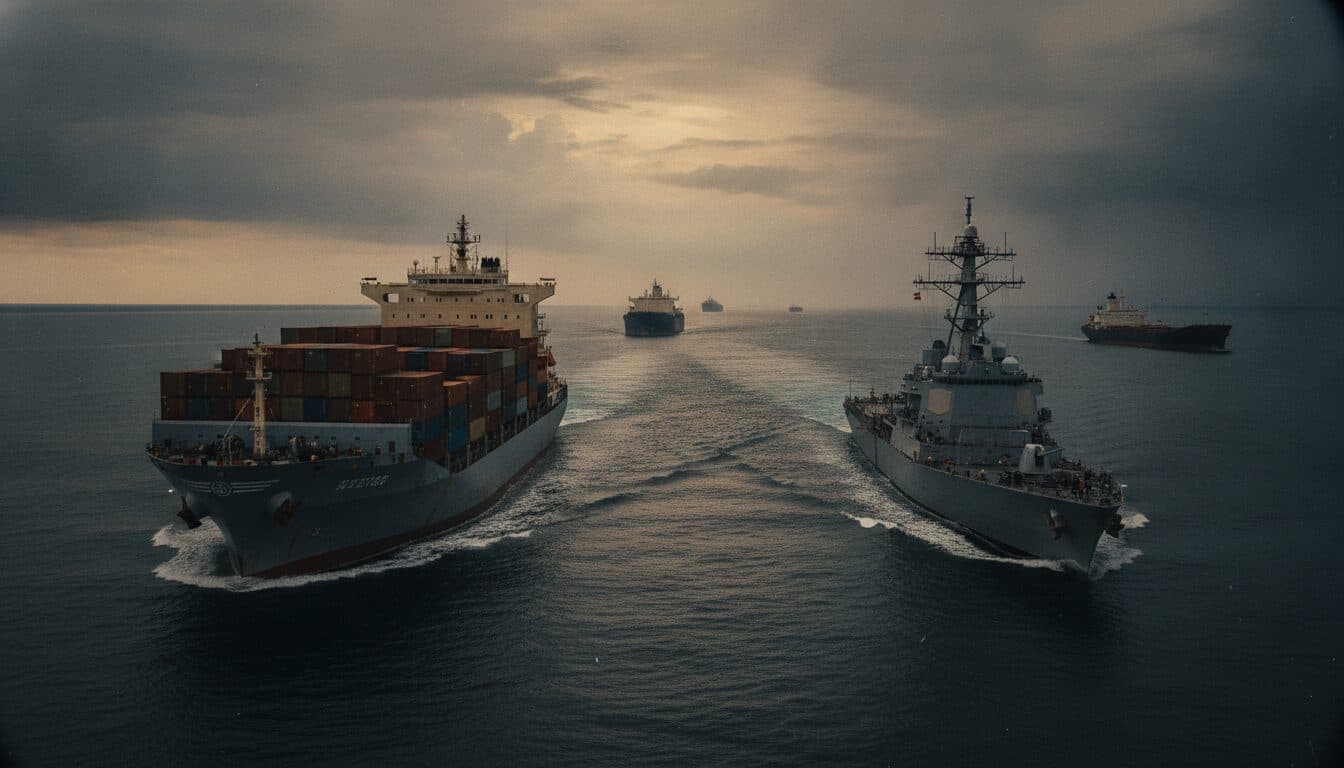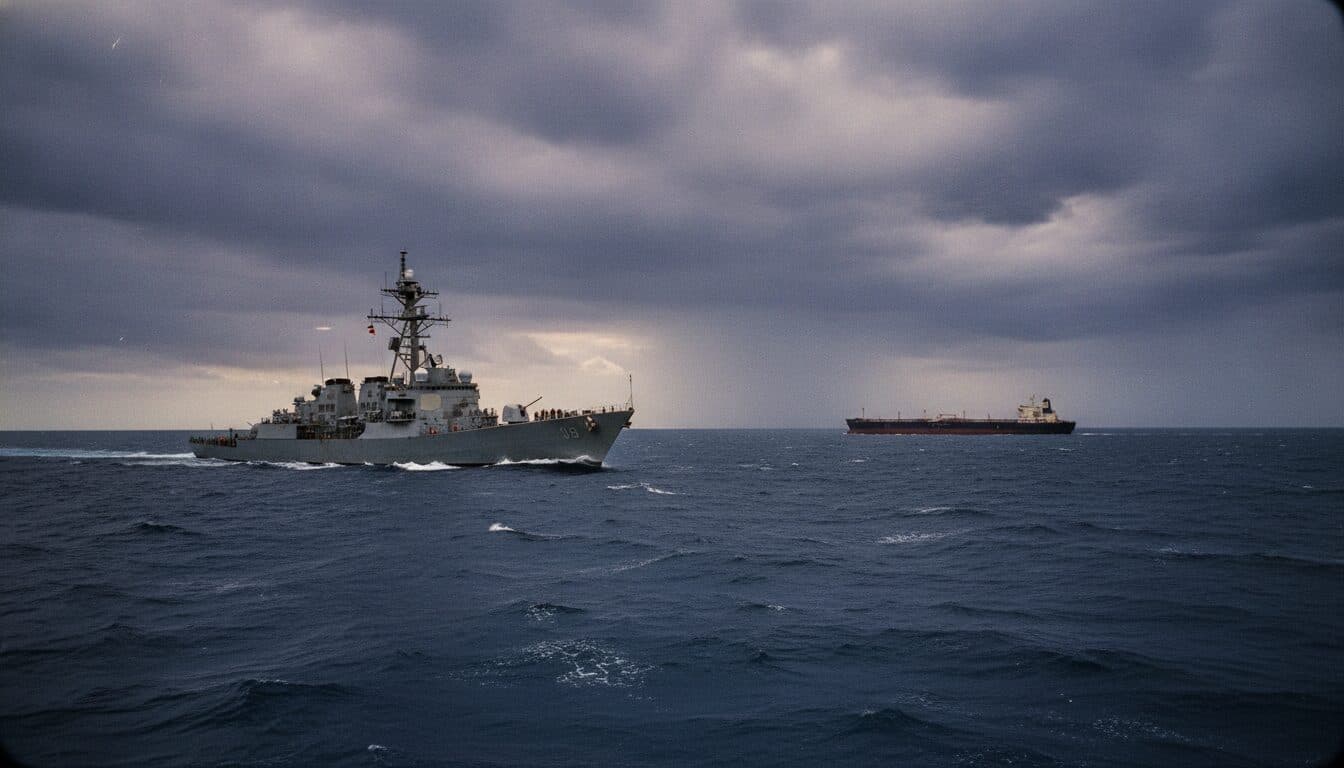
The volatile standoff between the United States and Iran has metastasized into a full-blown economic and military confrontation, with Washington reimposing a naval blockade on all Iranian ports and intensifying airstrikes. Tehran, in turn, has issued a stark warning: the export of oil and gas from the Middle East will either be for everyone or for no one, a threat that reverberates through global energy markets and sends tremors of concern across the world economy.
On Wednesday, July 15, 2026, the US escalated its campaign against Iran, citing retaliation for Tehran’s attacks on vessels attempting to traverse the Strait of Hormuz. US Central Command (CENTCOM) reported a significant wave of strikes, hitting dozens of targets overnight and continuing into daylight hours – an unusual tempo signaling a marked increase in military pressure. Iranian officials confirmed that American strikes on an army barracks killed at least seven troops and wounded over 260 people nationwide. Within 17 hours of the renewed blockade, US forces had already “redirected” two commercial vessels attempting to breach it.
This latest escalation follows an initial war launched by the US and Israel on Iran on February 28, which led to Tehran effectively closing the Strait of Hormuz to shipping. An interim deal in mid-June had offered a brief reprieve, pausing fighting and lifting an earlier US blockade for a 60-day negotiation period. However, these talks faltered as hostilities over the vital waterway intensified. President Trump has now threatened to broaden US strikes further next week, potentially targeting Iran’s power plants and bridges if Tehran fails to agree to a deal. “Next week it gets really bad for them because next week comes the power plants. Next week comes the bridges. We’re going to knock out all their power plants,” the President stated, underscoring the severity of the planned actions.
Iran Conflict Escalates, Global Energy Markets on Edge
Iran’s paramilitary Revolutionary Guard responded swiftly to the renewed blockade, threatening on Wednesday, July 15, to halt all Middle East energy exports. The statement, “The export of oil and gas from the region will be either for everyone or for no one,” underscores the potential for a catastrophic disruption to global energy supplies. The Strait of Hormuz, a narrow choke point, typically facilitates the passage of a fifth of the world’s oil and natural gas trade. Its effective closure earlier in the conflict already caused significant economic disruption, and a renewed, full closure would be devastating.
The naval blockade is poised to cripple Iran’s economy, which is heavily reliant on oil exports. Over 90% of Iran’s annual trade, valued at $109.7 billion, navigates through the Strait of Hormuz. Analysts estimate the blockade could cut off nearly all of Iran’s seaborne trade, leading to an estimated $435 million in daily economic losses and forcing oil field shutdowns within weeks. The pressure on Tehran is immense, but its retaliatory threats carry global implications.
Beyond the immediate geopolitical fallout, the sustained military engagement has also raised alarms within defense circles regarding the United States’ own strategic reserves. The conflict has significantly depleted US missile stockpiles. During the initial phase of the conflict, dubbed Operation Epic Fury, the US military expended thousands of precision-guided missiles. A Center for Strategic and International Studies (CSIS) assessment, widely reported, indicated that by the end of the initial fighting, the Pentagon had utilized at least half of its THAAD ballistic missile interceptors, nearly half of its Patriot air defense interceptors, and approximately 30% of its Tomahawk land-attack missiles. Rebuilding these crucial stockpiles is a protracted process, with estimates suggesting it could take three years or longer for systems like THAAD and Patriot missiles to return to pre-conflict levels. Worryingly, no THAAD missile deliveries are expected during 2026, leaving a potential vulnerability for future engagements.
The broader economic impact of this escalating Iran conflict cannot be overstated. The effective closure of the Strait of Hormuz has already disrupted approximately 16% of the world’s oil supply – a disruption double the effects of the 1970s oil shocks. Brent crude oil prices have surged since the conflict’s inception, and US diesel prices have also seen substantial increases. The disruption to the world’s liquefied natural gas (LNG) supply is even more severe, affecting 50% more volume than the 2022 Russian gas crisis.
“The current crisis, in terms of lost oil and gas, is bigger than all those three put together,” stated Fatih Birol, executive director of the International Energy Agency (IEA), referring to the combined impact of the 1973, 1979 oil crises, and the Russian gas crisis. His assessment underscores the unprecedented scale of the current energy predicament.
Looking ahead, the situation remains fraught with peril. President Trump’s threats to expand strikes next week indicate a willingness to escalate military pressure further, potentially pushing Iran to the brink. Tehran’s insistence on halting all Middle East energy exports if its own are blocked sets the stage for a dramatic confrontation that could send crude prices soaring to historic highs and plunge the global economy into a deep recession. Investors and policymakers alike are bracing for a period of extreme volatility, with the stability of global energy markets hanging precariously in the balance. The depletion of US missile stockpiles also presents a strategic dilemma, potentially limiting options for prolonged engagement and raising questions about future deterrence capabilities in a world increasingly defined by geopolitical flashpoints.
The core takeaway for investors and global citizens is the profound interconnectedness of geopolitical events and economic stability. The escalating Iran conflict is not merely a regional dispute; it is a direct threat to the arteries of global commerce and energy supply. The choices made in the coming days and weeks by both Washington and Tehran will determine not only the fate of the Middle East but also the trajectory of the global economy for years to come. The stakes could not be higher.