The specter of a wider conflict in the Middle East looms large today as President Trump issued a stark warning of direct strikes on Iranian infrastructure, a declaration that immediately sent global oil prices soaring. Brent crude, a key international benchmark, breached the $95 a barrel mark, its highest level in six weeks, underscoring the severe economic instability now gripping markets.
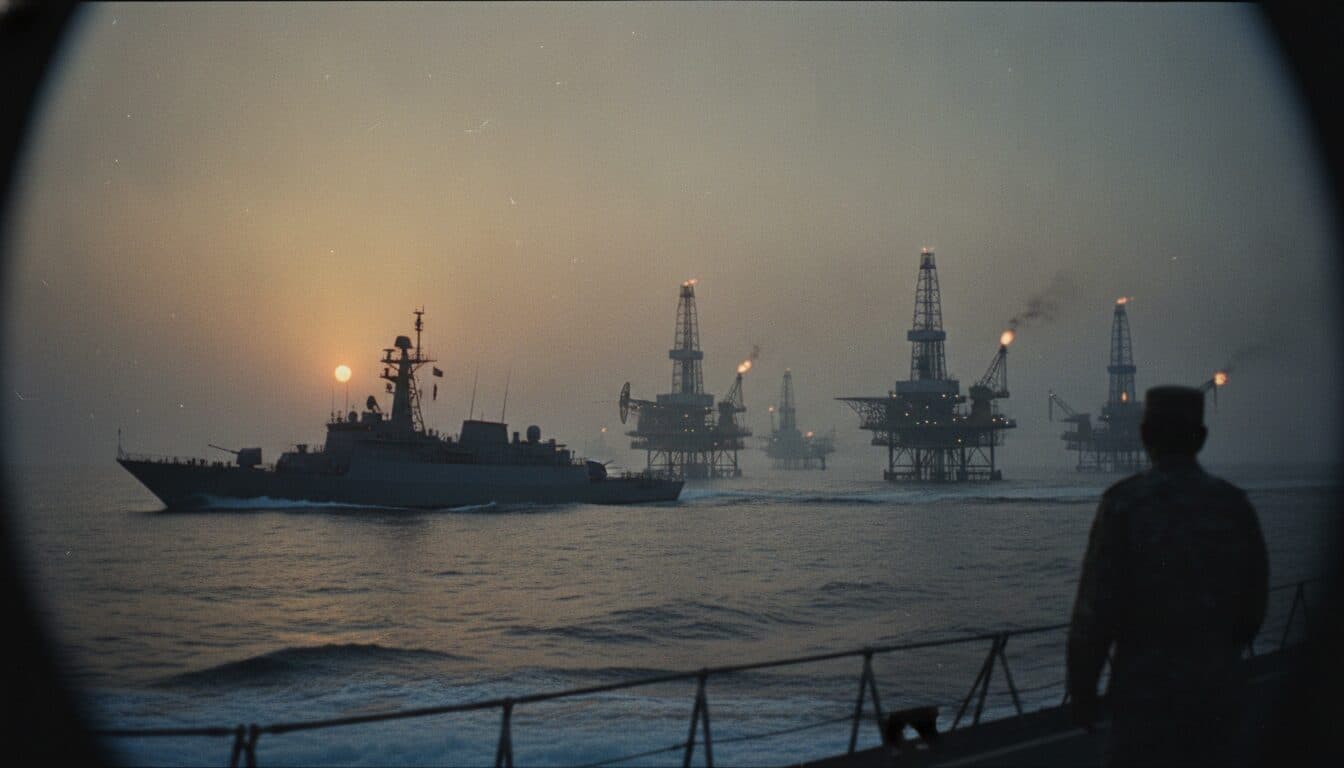
The escalation follows a period of intensifying hostilities, with the United States suffering 18 casualties among its service members over the past four months. On Wednesday, July 22, 2026, President Trump stated the US would “bomb and destroy ONE BRIDGE OR POWER PLANT” in Iran for every attack on US ships in the Strait of Hormuz. This threat came after an 11th consecutive night of US strikes, which US Central Command (CENTCOM) reported targeted “Iranian military operations centers, maritime capabilities, aircraft hangars, drone storage facilities, and military logistics infrastructure.” CENTCOM maintains that the Strait of Hormuz “remains open,” despite Iran’s continued attacks on commercial vessels in the waterway and Gulf states.
Adding to the tension, Trump indicated a potential US strike on “Pickaxe Mountain” (Kolang Gazla), a heavily fortified site he believes may house components critical to Iran’s nuclear weapons program. Iran, however, has consistently denied the existence of any secret nuclear complex at Kolang Mountain.
Iranian military officials, in a rapid response cited by the semi-official Tasnim news agency, warned of severe retaliation. They stated that if the US targets Iranian bridges or power plants, Iran would retaliate by “striking infrastructure and bridges across the region, including energy facilities in which the United States has interests.” Iran’s Khatem al-Anbiya Central Headquarters further amplified this, declaring that any US attack on Iran’s nuclear or other sensitive sites would lead to an expansion of the war, with US interests and those of its allies facing a “powerful assault.” This comes amidst reports of a US missile strike hitting Larak island in the Strait of Hormuz and Iran launching drones towards US military facilities in Kuwait, Jordan, and Bahrain.
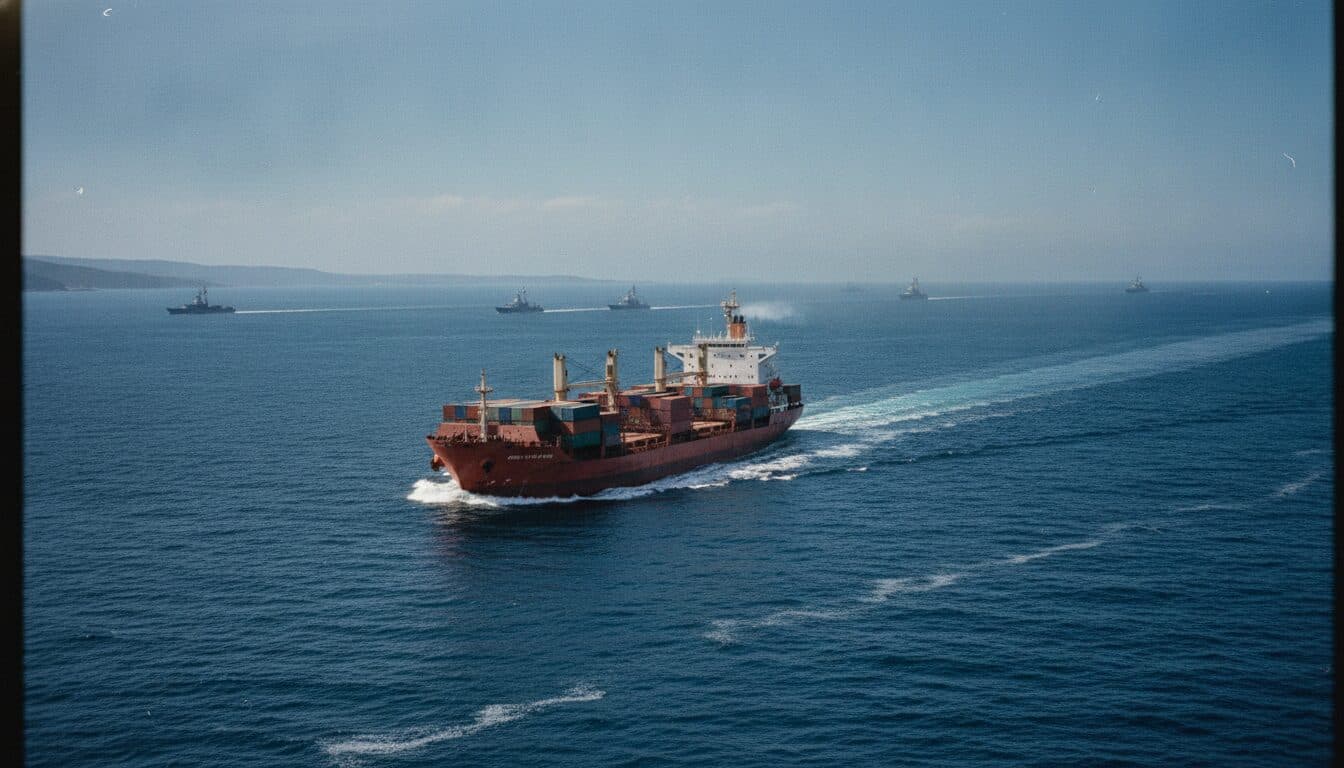
The economic ramifications of the escalating US-Iran conflict are profound and immediate. The surge in global oil prices, with Brent crude surpassing $95 a barrel—a $20 increase since fighting resumed on July 7—highlights fears of significant supply disruptions. The Strait of Hormuz and the Bab el-Mandeb Strait, critical shipping arteries, remain under threat. US Secretary of State Marco Rubio underscored this concern, warning that Iran’s demands to control and collect tolls in the Strait of Hormuz would imperil the world’s economy and the fundamental principle of freedom of navigation.
“The potential for disruption in the Strait of Hormuz is not merely a regional issue; it is a global economic earthquake waiting to happen, threatening energy security and trade routes vital to every nation’s prosperity.”
The human cost of this conflict is also mounting. President Trump attended a dignified transfer ceremony today at Dover Air Force Base for four US Army soldiers killed in recent days: 1st Lt. Tyler James Feehan, 25, of Hawaii; Pvt. Isabella Gonzales, 19, of Texas; Sgt. Angel Rampersad, 28, of New York; and Sgt. Michael Emmanuel Swinton, 30, of North Carolina. The Pentagon estimates the war’s cost at $37.5 billion to date, with the White House seeking an additional $67 billion in supplemental funding, signaling a prolonged and expensive engagement.
The current state of affairs is the culmination of months of simmering tensions, punctuated by a recent dramatic uptick in military actions and rhetoric. While the immediate trigger for this week’s direct threats from President Trump was the ongoing attacks on US ships, the broader context includes persistent disagreements over Iran’s nuclear program and its regional influence. The international community, represented by UN Secretary-General António Guterres, who decried attacks on civilian infrastructure as “unacceptable,” watches with increasing alarm. Despite these concerns, diplomatic efforts to secure an interim ceasefire deal have largely stalled, leaving the path to de-escalation unclear.
Looking ahead, the immediate future hinges on whether either side will back down from their escalating threats. The potential for a broader regional conflict, involving key energy producers and trade routes, remains a significant concern for investors and policymakers alike. Any direct US strike on Iranian infrastructure, or vice versa, could trigger a rapid and unpredictable expansion of hostilities, further impacting global markets and supply chains. The rising number of US casualties and the substantial financial outlay also raise questions about the sustainability and public support for the current strategy.
For readers and investors, the key takeaway is the profound and immediate risk to global economic stability posed by the escalating US-Iran conflict. The surge in oil prices is a direct symptom of this instability, and the potential for further disruptions to energy supplies and trade routes underscores the need for close monitoring of geopolitical developments. The absence of effective diplomatic channels to de-escalate the situation means that volatility in global markets, particularly in the energy sector, is likely to persist.