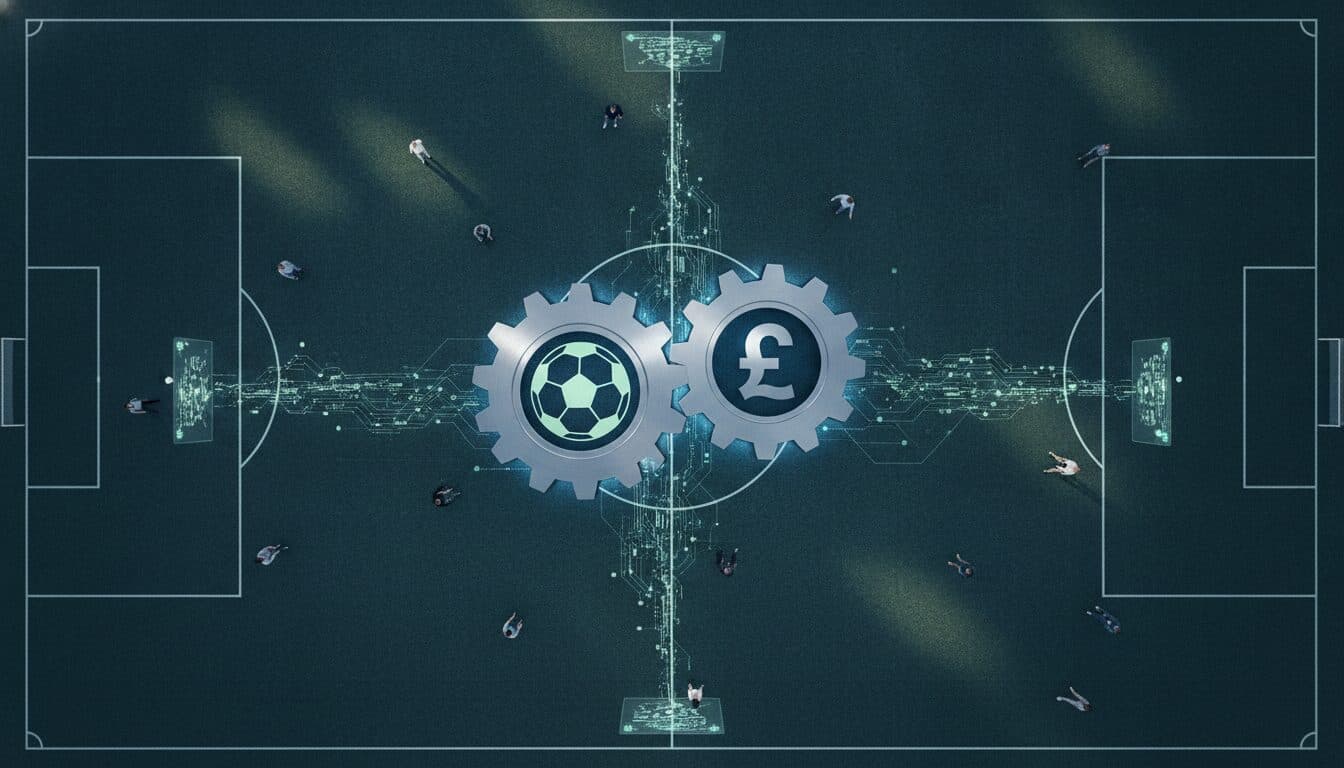
Dramatic FIFA India rights remain unsold, despite a drastic 65% price reduction from FIFA, marking an unprecedented commercial challenge for the 2026 and 2030 World Cups in one of the world’s largest media markets. With the 2026 tournament less than two months away, the absence of an official broadcaster in India signals a significant shift in the perceived value of premium football content.
FIFA initially sought around $100 million for the combined media rights for both the 2026 and 2030 FIFA World Cups in the Indian subcontinent when tenders were first floated in July 2025. However, a notable lack of interest from major broadcasters and streaming platforms forced the global football governing body to slash its asking price to approximately $35 million. Even at this significantly reduced valuation, reports on Thursday, April 9, 2026, indicate that no Indian entity has yet committed to acquiring the rights, leaving millions of football fans in the dark about how they will watch the sport’s showpiece event.
The Business Impact
This commercial stalemate is particularly striking given India’s burgeoning football fanbase and the increasing penetration of digital streaming services. The inability to secure a deal, even after such a substantial price drop, suggests a re-evaluation of return on investment by Indian media companies. For context, Viacom18 paid an estimated $62 million for the digital rights alone for the 2022 FIFA World Cup, a then-record sum. Prior to that, Sony Sports Network held the television rights for the 2014 and 2018 editions, indicating a consistent, albeit evolving, market for World Cup broadcasting.
The current situation for FIFA India rights is not an isolated incident. The broader Indian football media landscape has seen a significant cooling of valuations. The Indian Super League (ISL), once touted as the nation’s premier football competition, has experienced a precipitous decline in its media rights value. Earlier deals reportedly commanded over ₹200 crore annually (approximately $24 million), but recent cycles have seen this figure plummet to as low as ₹8 crore (around $1 million) per year. This sharp contraction across both international and domestic football properties underscores a challenging commercial environment.
“The declining value of football media rights in India, culminating in the FIFA World Cup rights remaining unsold, points to a fundamental recalibration of investment strategies by broadcasters. They are clearly weighing fragmented viewership and the dominance of cricket more heavily than ever before.”
Industry analysts attribute this downturn to several factors, including the highly fragmented nature of viewership in India, intense competition from cricket-dominated programming, and rapidly evolving digital consumption patterns. While grassroots interest and participation in football continue to grow, translating that into commercially viable broadcast deals appears to be an increasing challenge.
Unprecedented Challenges for Global Football
Historically, the FIFA World Cup has been considered one of the most robust and reliable global broadcast assets, consistently attracting significant advertising revenue and viewership even in markets where football is not the primary sport. India has typically finalized its World Cup broadcast arrangements well in advance of kickoff, making the current uncertainty surrounding the 2026 tournament particularly unusual. The upcoming 2026 edition, co-hosted by the United States, Canada, and Mexico, is set to be the largest in history, expanding to 48 teams from the traditional 32. This expansion was widely expected to amplify global interest and, consequently, commercial value, yet the Indian market appears to be bucking this trend.
If FIFA fails to finalize a broadcast deal for the FIFA India rights in the coming weeks, it may be compelled to explore alternative distribution methods. These could include negotiating last-minute, short-term deals, offering sub-licensing arrangements to multiple platforms, exploring direct-to-consumer streaming partnerships, or even further reducing the rights valuation. While such measures are not entirely unheard of globally, they remain rare for an event of the FIFA World Cup’s stature, signaling potential distress in the market.
The failure to sell the FIFA India rights, even after a dramatic price cut, serves as a stark warning sign for the commercial future of football in India. It suggests that broadcasters are becoming increasingly risk-averse and cautious about making substantial investments in football properties, despite underlying fan growth. As the countdown to the 2026 tournament continues, FIFA’s next strategic move in India will be closely watched by the sports industry, offering crucial insights into the sport’s commercial trajectory in one of the world’s most populous and potentially lucrative media markets.