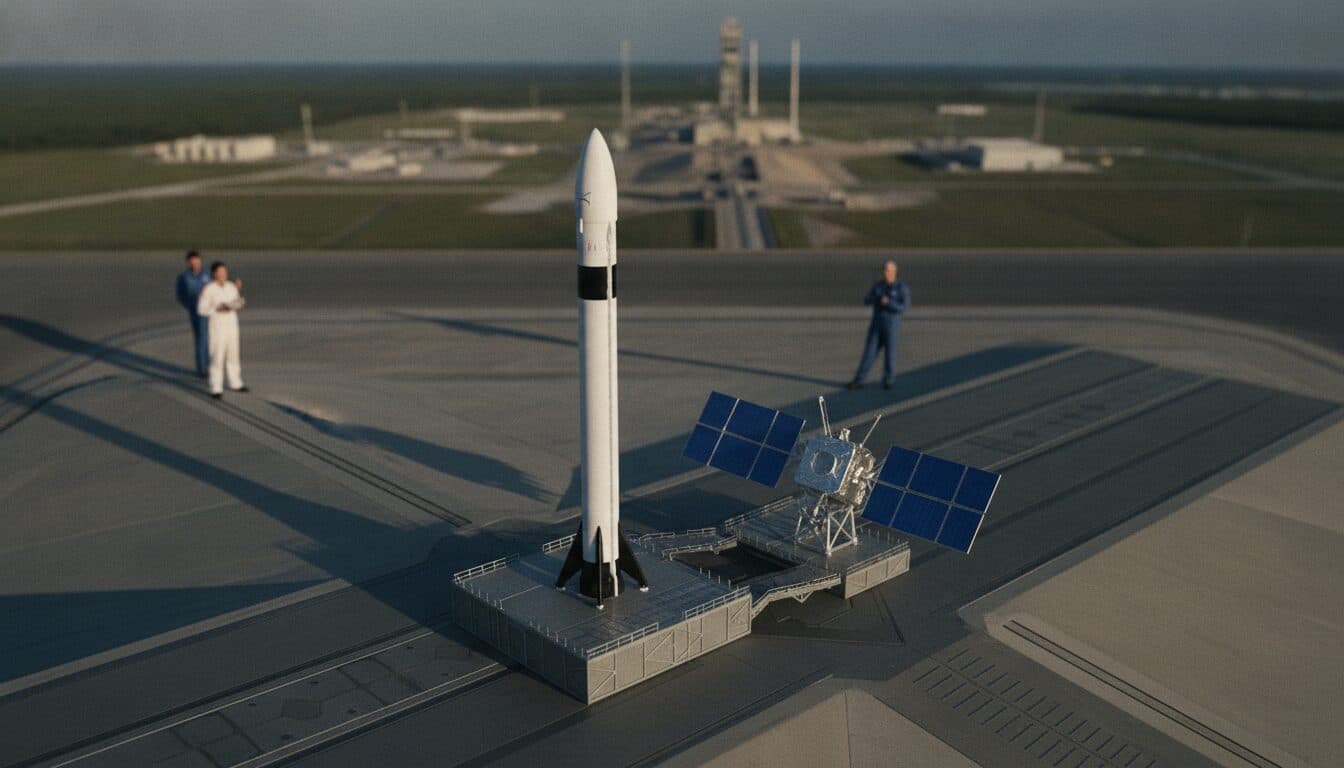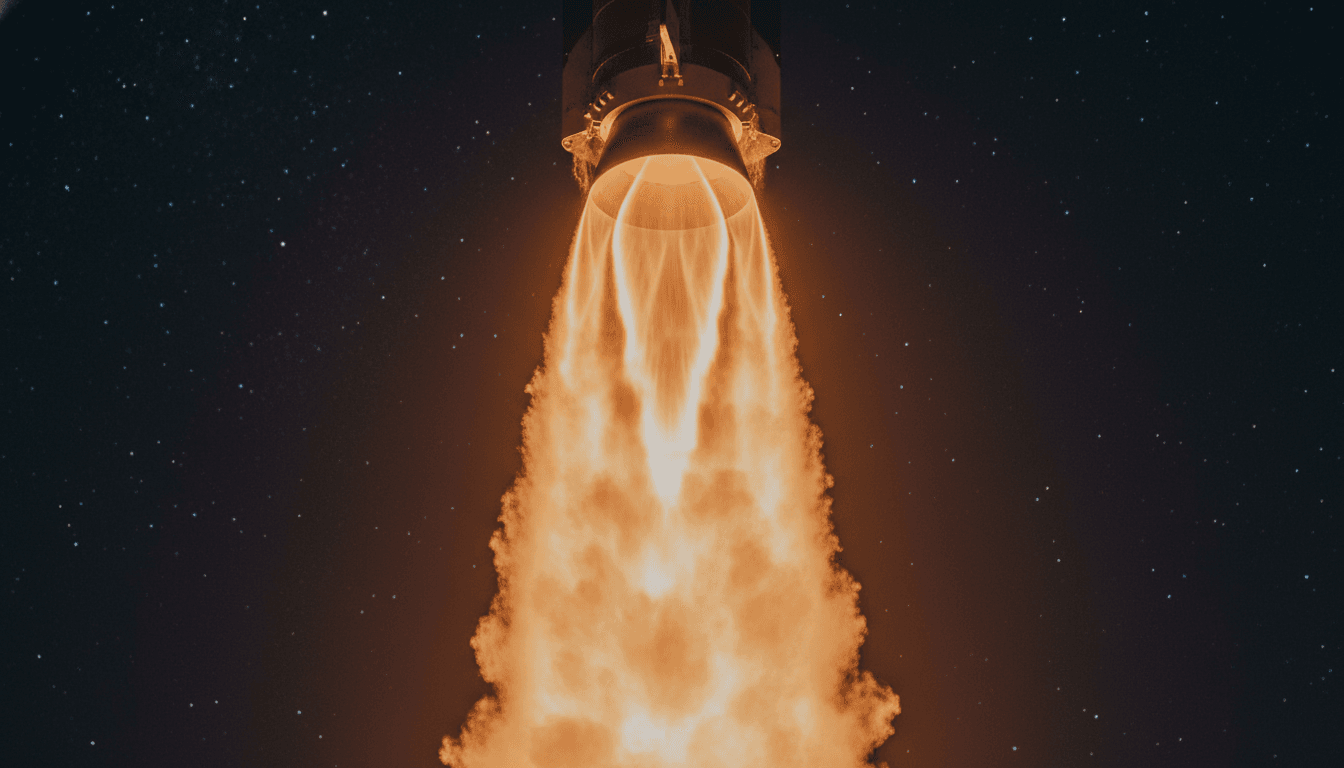
A stunning SpaceX rocket launch dramatically lit up the Central California sky on Tuesday, April 7, 2026, sparking widespread awe and curiosity among residents. The celestial spectacle, described by many as a captivating display, transformed the night into a momentary canvas of light, underscoring the increasing visibility and impact of private space operations on everyday life.
The Central California Sky Event
The incident involved a SpaceX rocket, though specific mission details beyond its launch were not immediately available in initial reports. What is clear is the profound visual effect it had across Central California. Residents from various communities reported seeing an unusual light show, prompting calls and social media buzz. The event served as a stark reminder of humanity’s ongoing push into space, now often visible from our own backyards. The ‘What was that?’ queries that flooded local channels encapsulate the public’s immediate, visceral reaction to such a powerful and unexpected visual phenomenon.
Impact Analysis
This visible SpaceX rocket launch highlights several key shifts in the broader science and space landscape. Firstly, it underscores the growing frequency of launches, particularly from private entities like SpaceX, which are now routine enough to occasionally become prominent public events. This increased cadence is a testament to the commercialization of space, moving beyond purely governmental endeavors. Secondly, the public’s reaction — a mix of wonder and inquiry — demonstrates a sustained, if sometimes surprised, engagement with space exploration. Such events can inspire greater interest in STEM fields and space policy, even if the primary goal of the launch was purely operational.
“The sheer visibility of these launches is transforming how the public perceives space travel, making it a tangible, observable reality rather than a distant concept.”
The incident also subtly points to the expanding operational footprint of space companies. As launch sites become more active and trajectories cover wider geographical areas, the potential for public interaction, both positive and negative, increases. This necessitates greater transparency and public communication from launch providers regarding their schedules and potential visual effects.
Context & Background
SpaceX, founded by Elon Musk, has become a dominant force in the aerospace industry, known for its reusable rocket technology and ambitious projects ranging from satellite internet constellations (Starlink) to crewed missions to the International Space Station and future plans for Mars. Their launches from various facilities, including Vandenberg Space Force Base in California, are now a regular occurrence, though not all are as visually striking as the April 7, 2026, event. The company’s relentless pursuit of lower launch costs and higher launch frequencies has fundamentally altered the competitive landscape of space access. This specific SpaceX rocket launch is part of a larger trend of increased orbital activity, which includes numerous satellite deployments and scientific missions from various nations and private enterprises globally. For more on the evolving commercial space sector, see our analysis of private space ventures.
What’s Next for SpaceX Rocket Launch Visibility
The future likely holds even more frequent and potentially visible launches as companies like SpaceX continue to expand their operations. This trend will necessitate ongoing public education and communication efforts from space agencies and private firms to inform communities about upcoming events and manage expectations. Regulatory bodies may also need to consider guidelines for public awareness regarding visible launches. As technology advances, perhaps future rockets will incorporate features that minimize light pollution or, conversely, create even more controlled and spectacular visual displays for public engagement. The increasing density of objects in orbit, a direct consequence of this launch activity, also raises long-term concerns about space debris, a topic frequently covered in our science & space articles.
Key Takeaway
The stunning SpaceX rocket launch over Central California on April 7, 2026, was more than just a fleeting light show; it was a vivid demonstration of the accelerating pace of space exploration and commercialization. It underscored the growing integration of space activities into our terrestrial lives, prompting both wonder and a renewed awareness of humanity’s ambitious ventures beyond Earth. As the space industry continues its rapid expansion, such events will likely become a more common feature of our skies, solidifying space as an increasingly accessible and visible frontier.