A new cryogenic neuromorphic chip developed by researchers at the University of Hong Kong (HKU) marks a significant advancement for quantum computing and deep-space missions. Announced on Friday, June 12, 2026, this innovative chip promises to overcome critical environmental challenges in extreme computational environments, paving the way for more robust and efficient systems in two of humanity’s most ambitious technological frontiers.
The Story
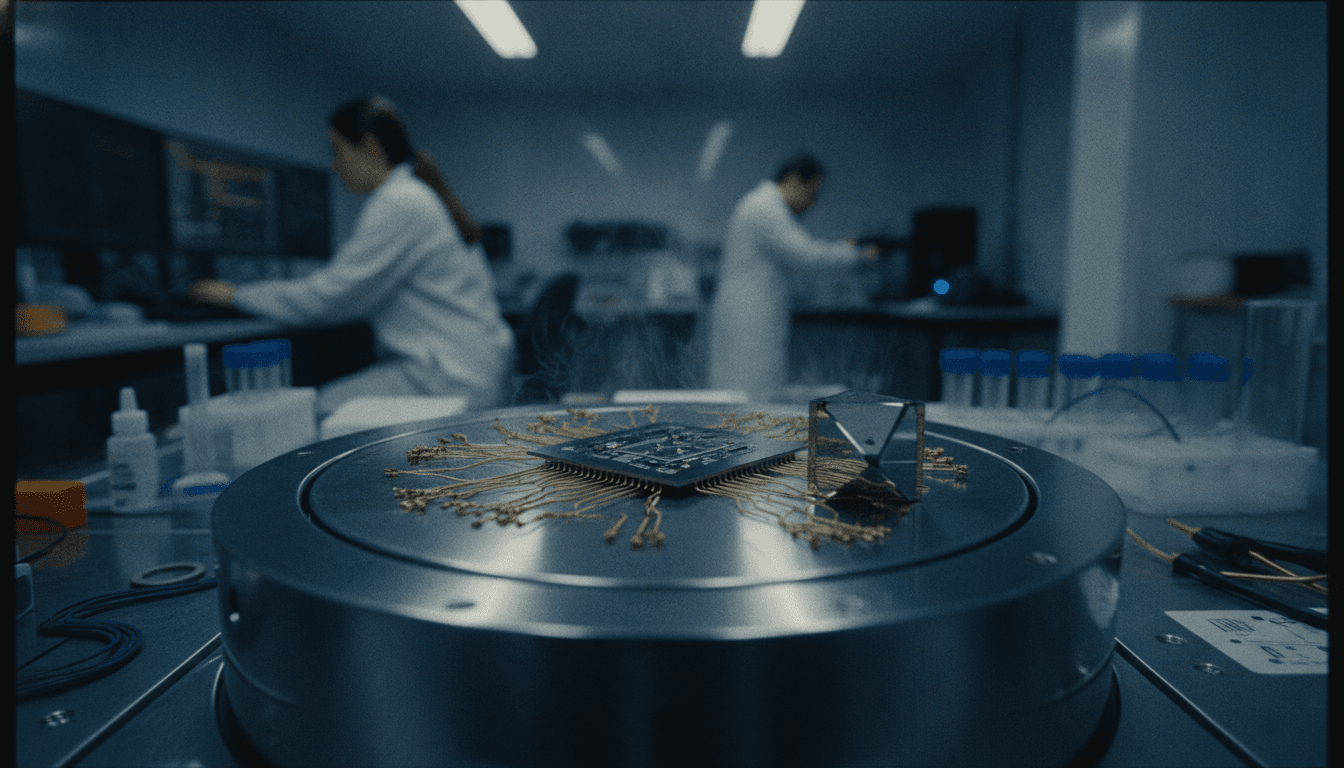
The HKU research team has successfully engineered a neuromorphic chip capable of operating effectively under cryogenic conditions, traditionally a major hurdle for electronic components. Neuromorphic chips, inspired by the human brain’s architecture, are designed to process information in a massively parallel and energy-efficient manner. Their ability to function at extremely low temperatures, as demonstrated by the HKU team, is particularly crucial for quantum computing environments, which often require refrigeration to near absolute zero to maintain the delicate quantum states of qubits. This development also extends its utility to deep-space missions, where equipment must withstand the harsh cold vacuum of space for prolonged periods.
While specific details regarding the chip’s architecture or exact performance metrics were not immediately released, the announcement from HPCwire underscores the significance of achieving stable and efficient operation in such demanding conditions. This breakthrough suggests a potential leap in the integration of AI-like processing capabilities directly within quantum systems or spacecraft, reducing the need for complex, power-intensive thermal management solutions.
Impact Analysis
The development of a cryogenic neuromorphic chip has profound implications for both quantum computing and deep-space exploration. In quantum computing, the primary challenge often lies in maintaining the coherence of qubits, which are highly susceptible to environmental interference, including thermal noise. By integrating neuromorphic processing directly within the cryogenic environment, the HKU chip could enable on-chip control and error correction, potentially accelerating the development of fault-tolerant quantum computers.
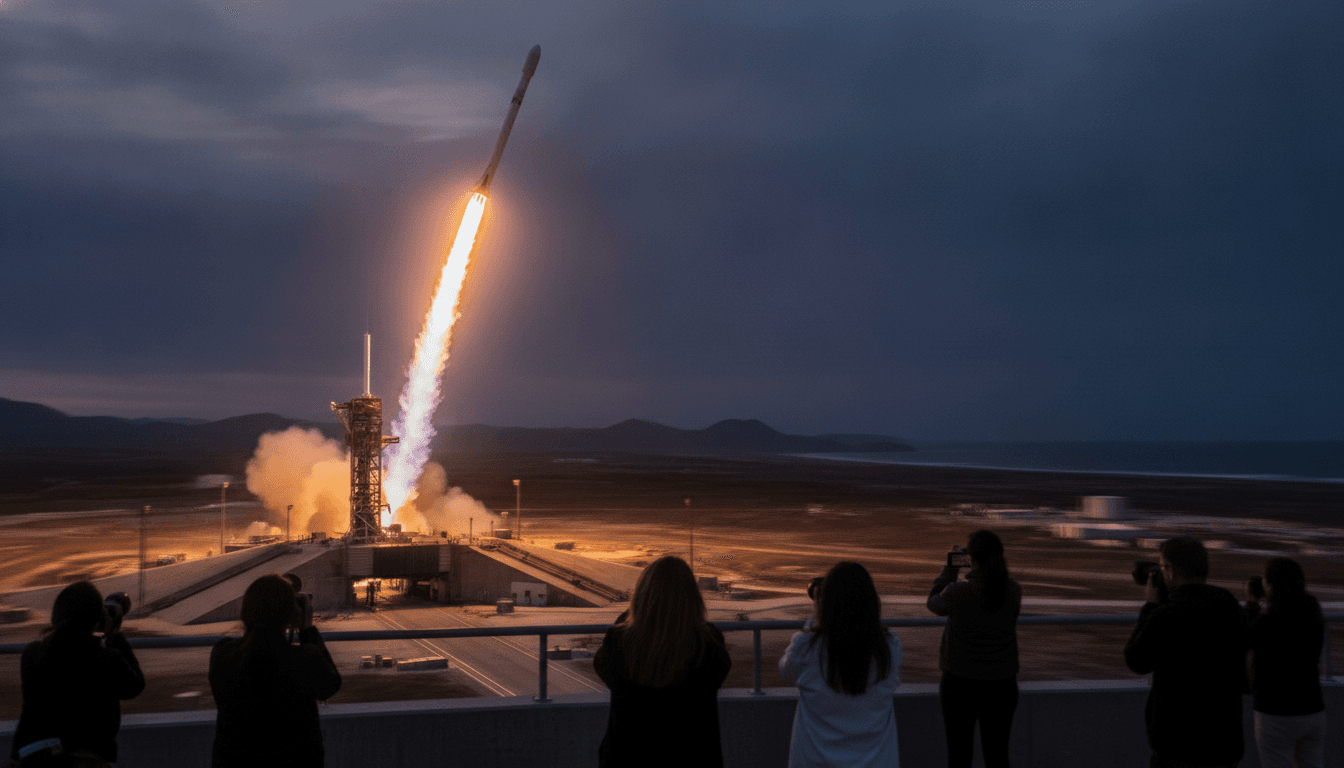
For deep-space missions, the ability of electronics to operate reliably in extreme cold without significant power consumption for heating is a game-changer. Current spacecraft often dedicate substantial resources to thermal control systems, adding weight and complexity. A neuromorphic chip designed for these conditions could lead to lighter, more power-efficient probes and landers, capable of performing sophisticated AI-driven tasks—such as autonomous navigation, data analysis, and scientific discovery—further from Earth. This could enable missions to the outer solar system, interstellar space, or even exoplanets, where communication delays make real-time human control impractical. The implications for autonomous space exploration are immense.
“This cryogenic neuromorphic chip could fundamentally alter the design philosophy for future quantum computers and long-duration space missions, pushing the boundaries of what’s computationally possible in extreme environments.”
Context & Background
The pursuit of robust electronics for extreme environments is not new. For decades, engineers have grappled with the challenges of designing components that can withstand the radiation, vacuum, and temperature fluctuations of space, or the ultra-low temperatures required by cutting-edge physics experiments. Traditional silicon-based electronics often suffer performance degradation or outright failure at cryogenic temperatures due to phenomena like carrier freeze-out. The HKU team’s success in developing a functional cryogenic neuromorphic chip suggests novel material science or architectural innovations that circumvent these limitations.
The rise of neuromorphic computing itself represents a paradigm shift from conventional Von Neumann architectures. These brain-inspired chips excel at pattern recognition, machine learning, and sensor data processing with significantly lower energy footprints. Combining this efficiency with cryogenic resilience positions HKU at the forefront of a specialized, high-impact niche within advanced computing and aerospace technology. This innovation aligns with broader industry trends focusing on energy efficiency and resilience in increasingly complex computational systems, from data centers to planetary rovers.
What’s Next
The immediate next steps for the HKU researchers will likely involve further testing, optimization, and scaling of their cryogenic neuromorphic chip. Demonstrating sustained performance, scalability for complex tasks, and manufacturability will be crucial. We can anticipate more detailed publications outlining the chip’s technical specifications and experimental results. Partnerships with quantum computing companies or space agencies could follow, leading to pilot projects for integrating this technology into real-world applications. The long-term implications point towards a future where quantum computers are more stable and accessible, and deep-space missions are significantly more autonomous and capable. The potential for this technology to enable new forms of on-board AI processing for spacecraft is particularly exciting.
Key Takeaway
The HKU researchers’ development of a cryogenic neuromorphic chip represents a critical inflection point for technological progress in two distinct yet interconnected domains: quantum computing and deep-space exploration. By overcoming the formidable challenge of operating sophisticated AI hardware in extreme cold, this innovation promises to unlock new capabilities, from more stable quantum processors to highly autonomous spacecraft capable of venturing further into the cosmos. It underscores the ongoing drive to push the boundaries of computing resilience and efficiency, ultimately accelerating humanity’s scientific and exploratory ambitions.