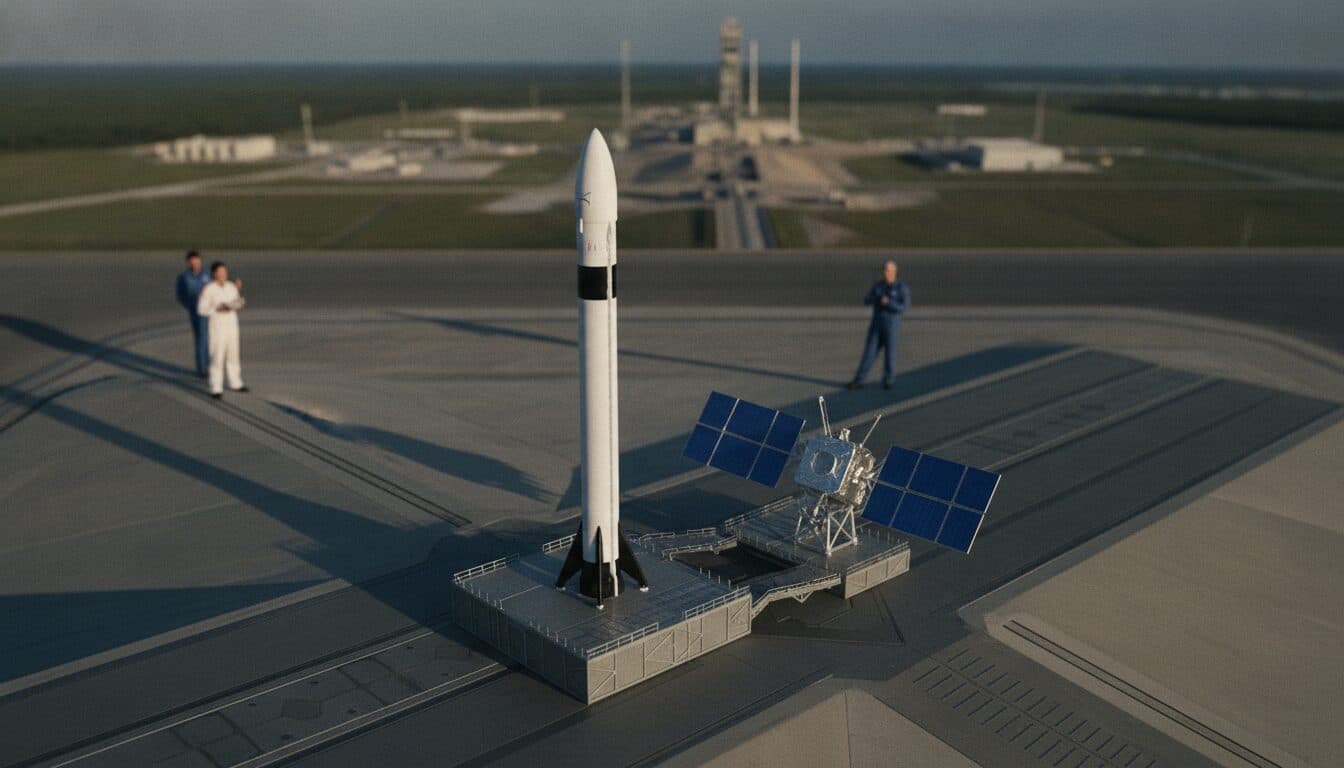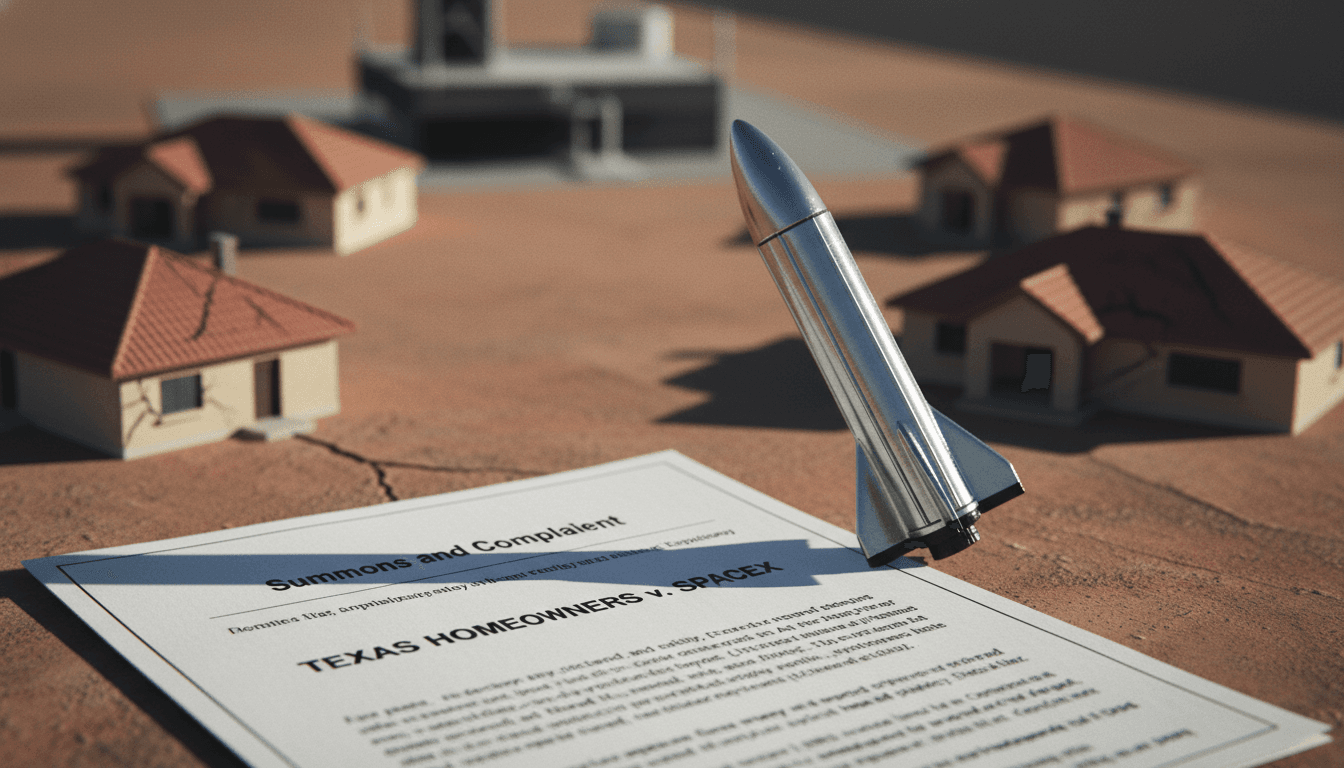
Texas homeowners sue SpaceX over Starship rocket launches, marking a significant legal challenge for Elon Musk’s ambitious space company. The lawsuit, filed on Saturday, May 2, 2026, by residents near SpaceX’s Boca Chica launch site, alleges that the company’s Starship operations are causing substantial damage and disruption to their properties and quality of life.
The Legal Front Against Starship Rocket Launches
The core of the lawsuit revolves around claims of property damage, excessive noise, and environmental disturbance attributed to the frequent Starship rocket launches and associated testing at the South Texas facility. While specific details of the damages sought were not immediately disclosed, such legal actions typically encompass compensation for structural damage, diminished property values, and emotional distress. This development pits local community concerns directly against the rapid expansion of private space exploration, particularly the development of the Starship rocket, which is central to SpaceX’s plans for lunar and Martian missions. The plaintiffs, representing a segment of the homeowner population in the region, argue that the industrial scale of rocket operations has fundamentally altered their residential environment, moving beyond what they initially anticipated when SpaceX established its presence.
Impact Analysis
This legal battle carries significant implications for the broader science and space landscape. For SpaceX, it could introduce new regulatory hurdles and potentially slow down the development and testing cadence of its Starship program, which is already under intense scrutiny from environmental agencies. A protracted legal dispute might also escalate operational costs, diverting resources from engineering and research into litigation. Beyond SpaceX, this case sets a precedent for how private space companies interact with local communities and how property rights are weighed against the national interest in space exploration. It highlights a growing tension between technological advancement and the preservation of residential tranquility and environmental integrity. Similar environmental concerns have previously surfaced regarding other launch sites globally, but the scale and frequency of Starship rocket launches make this particular case distinct.
“The balance between fostering innovation in space technology and protecting the rights of citizens near launch facilities is a complex and evolving challenge. This lawsuit will be a critical test case.”
Context & Background: A Growing Friction
SpaceX’s Boca Chica facility has been a hub of activity for several years, with the company steadily increasing the tempo of its Starship development and test flights. This accelerated pace, while crucial for the rapid iteration philosophy that underpins SpaceX’s engineering, has incrementally amplified the impact on the surrounding, sparsely populated communities. Initial community reception to SpaceX’s arrival was mixed, with some residents welcoming the economic opportunities and others expressing concerns about noise and safety. Over time, as the size and power of the Starship rocket grew, so too did the intensity of the launches, leading to more pronounced tremors, sonic booms, and particulate matter. Previous environmental assessments and community engagement efforts have attempted to mitigate these issues, but the current lawsuit indicates that these measures have not been sufficient for all residents. The regulatory framework governing commercial space launches, primarily overseen by the Federal Aviation Administration (FAA) in the U.S., focuses heavily on public safety and environmental protection, often requiring extensive reviews before launch licenses are granted. This lawsuit may prompt a re-evaluation of the adequacy of these existing frameworks in the face of increasingly powerful and frequent private launches.
What’s Next for SpaceX and its Neighbors
The immediate future will see both sides prepare for what is likely to be a complex and lengthy legal process. SpaceX will undoubtedly mount a vigorous defense, emphasizing the importance of its Starship program for national space objectives and global innovation, as well as its compliance with existing regulations. The homeowners, conversely, will seek to demonstrate the tangible and intangible damages incurred due to the Starship rocket launches. The outcome could range from a settlement, which might include financial compensation and operational adjustments by SpaceX, to a full court trial that could impose more stringent operational restrictions or even injunctions. Future decisions by regulatory bodies, particularly the FAA, regarding environmental impact assessments and launch licensing, will also be closely watched, as they may be influenced by the progress of this lawsuit. This legal challenge could also inspire similar actions against other space companies operating near residential areas, shaping the future of commercial spaceport development.
Key Takeaway
The lawsuit by Texas homeowners against SpaceX over Starship rocket launches underscores a critical and growing tension at the intersection of technological advancement, private enterprise, and community rights. It highlights the imperative for space companies to not only innovate but also to proactively manage their environmental and social footprint, ensuring that the pursuit of the stars does not unduly burden those on the ground. The resolution of this case will undoubtedly set a significant precedent for the future of space exploration and the delicate balance required to achieve it sustainably.