SpaceX rocket debris could slam into the moon, raising new questions about orbital mechanics and the long-term consequences of space exploration. The potential impact, projected for Thursday, April 30, 2026, highlights a growing concern within the scientific community regarding uncontrolled objects in cis-lunar space and beyond.
The Unintended Trajectory
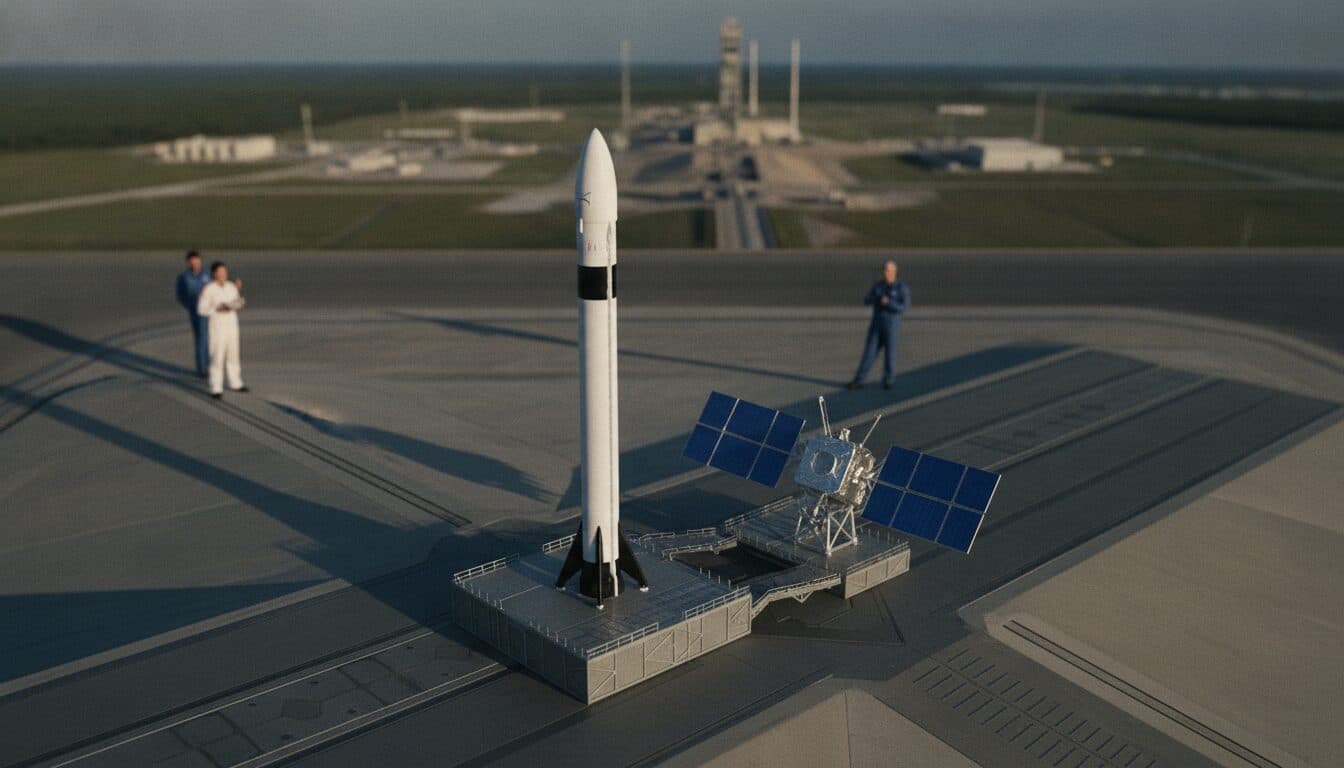
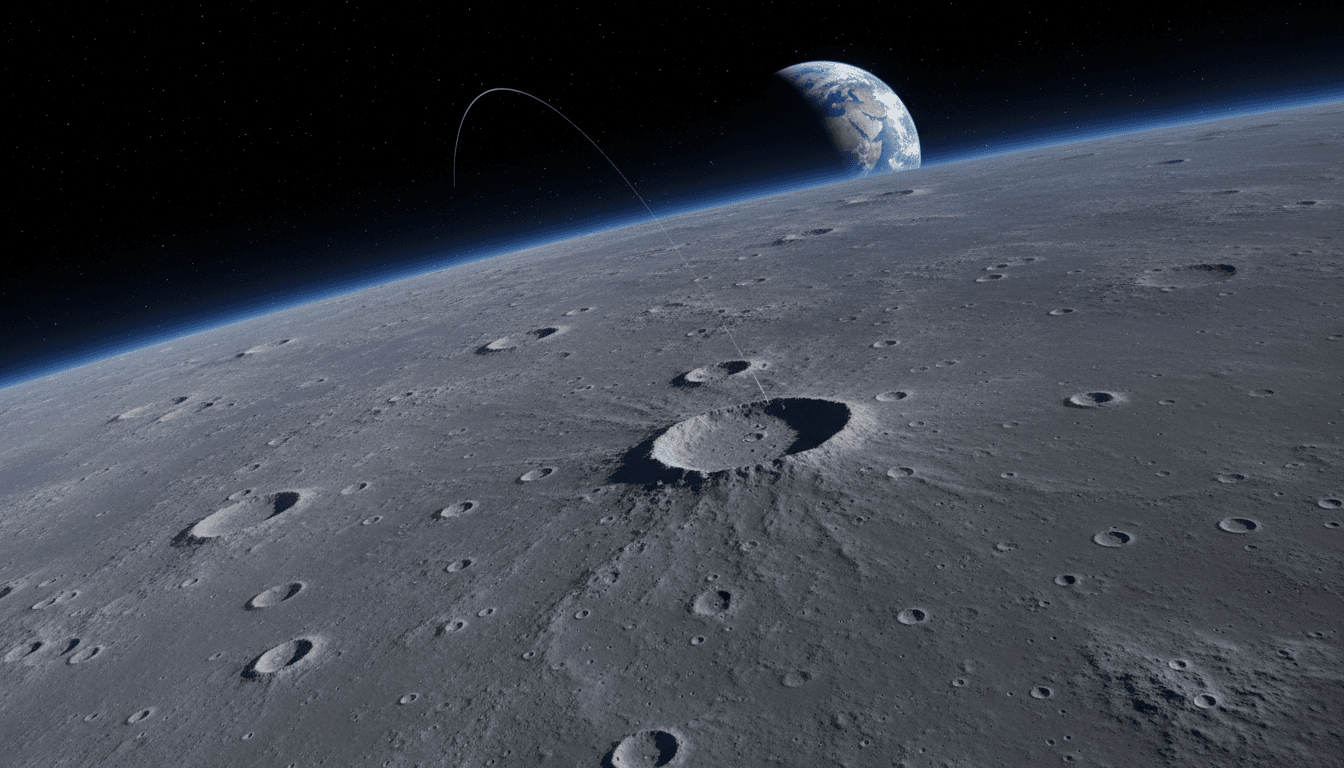
The incident involves a discarded upper stage of a SpaceX rocket, which, after completing its primary mission, has been on an erratic trajectory for an extended period. While initial missions typically involve controlled deorbiting or placement into a stable graveyard orbit, this particular piece of hardware has drifted into a path that now intersects with the lunar orbit. Experts have been tracking the debris, confirming the potential for a collision that could leave a new crater on the lunar surface.
The exact size and nature of the debris have not been fully disclosed, but it is understood to be a significant component, likely an inert Falcon 9 second stage. Its prolonged journey through the vacuum of space has made precise impact prediction challenging, but the latest analyses point to a high probability of a lunar strike. This event underscores the increasing complexity of managing space junk, not just in Earth’s immediate vicinity, but across the solar system.
SpaceX Rocket Debris Could Slam Into The Moon: Impact Analysis
Should the SpaceX rocket debris indeed slam into the moon, the scientific impact would be multifaceted. While the moon is constantly bombarded by meteoroids, an impact from a human-made object of this size provides a unique opportunity for study. Scientists could analyze the resulting crater to understand lunar regolith mechanics and the energy transfer dynamics of such collisions. It might also offer insights into the composition of the lunar surface at the impact site, assuming observation capabilities are in place.
“The potential lunar impact of SpaceX rocket debris offers an unprecedented, albeit unintended, natural experiment to study lunar geology and orbital mechanics. It’s a stark reminder of our expanding footprint beyond Earth orbit.”
Beyond the immediate scientific data, the incident casts a spotlight on the broader issue of space sustainability. As more nations and private entities launch missions, the volume of orbital debris is set to increase exponentially. This particular piece of SpaceX rocket debris serves as a tangible example of how even well-intentioned missions can contribute to a complex and potentially hazardous environment.
Context and Background
The challenge of space debris is not new. Since the dawn of the space age, thousands of rocket bodies, defunct satellites, and fragments from collisions have accumulated in Earth’s orbit. Organizations like NASA and the European Space Agency actively track tens of thousands of objects to mitigate collision risks for operational satellites and the International Space Station. However, tracking objects beyond Earth orbit, especially those on unpredictable trajectories, presents a different set of challenges.
While previous incidents of human-made objects impacting the moon have occurred, these were generally controlled impacts, such as the Apollo mission’s S-IVB stages or the LCROSS mission, designed specifically to study lunar subsurface materials. The difference here is the unintentional and uncontrolled nature of the impending SpaceX rocket debris impact, highlighting a gap in current space traffic management protocols for cis-lunar and interplanetary space. This event could trigger renewed calls for international cooperation on debris mitigation strategies extending far beyond Earth’s gravitational pull. Related science & space articles often discuss the need for such global frameworks.
What’s Next
In the lead-up to April 30, 2026, astronomical observatories and space agencies will likely intensify their tracking efforts to refine the impact prediction. Scientists will be preparing to observe the event, potentially deploying telescopes to capture images or spectroscopic data of the impact plume. The data gathered could inform future policies on lunar environmental protection and the disposal of spacecraft components in deep space.
Longer term, this incident may catalyze discussions within regulatory bodies and spacefaring nations about establishing clearer guidelines for end-of-life disposal of rockets and satellites that venture beyond Earth’s immediate influence. The economic implications for future lunar missions, including potential resource utilization and permanent bases, are also considerable, as a cluttered or unpredictable lunar environment poses risks to infrastructure and personnel. The focus will undoubtedly shift towards proactive measures to prevent similar uncontrolled events.
Key Takeaway
The looming impact of SpaceX rocket debris on the moon on April 30, 2026, serves as a critical inflection point in the discourse surrounding space sustainability. It underscores that humanity’s footprint extends far beyond Earth’s atmosphere, demanding a comprehensive and internationally coordinated approach to managing our presence in the cosmos. The event will undoubtedly provide valuable scientific data, but more importantly, it will force a reckoning with the long-term responsibilities of space exploration, urging a shift towards more sustainable practices for all future endeavors in space.