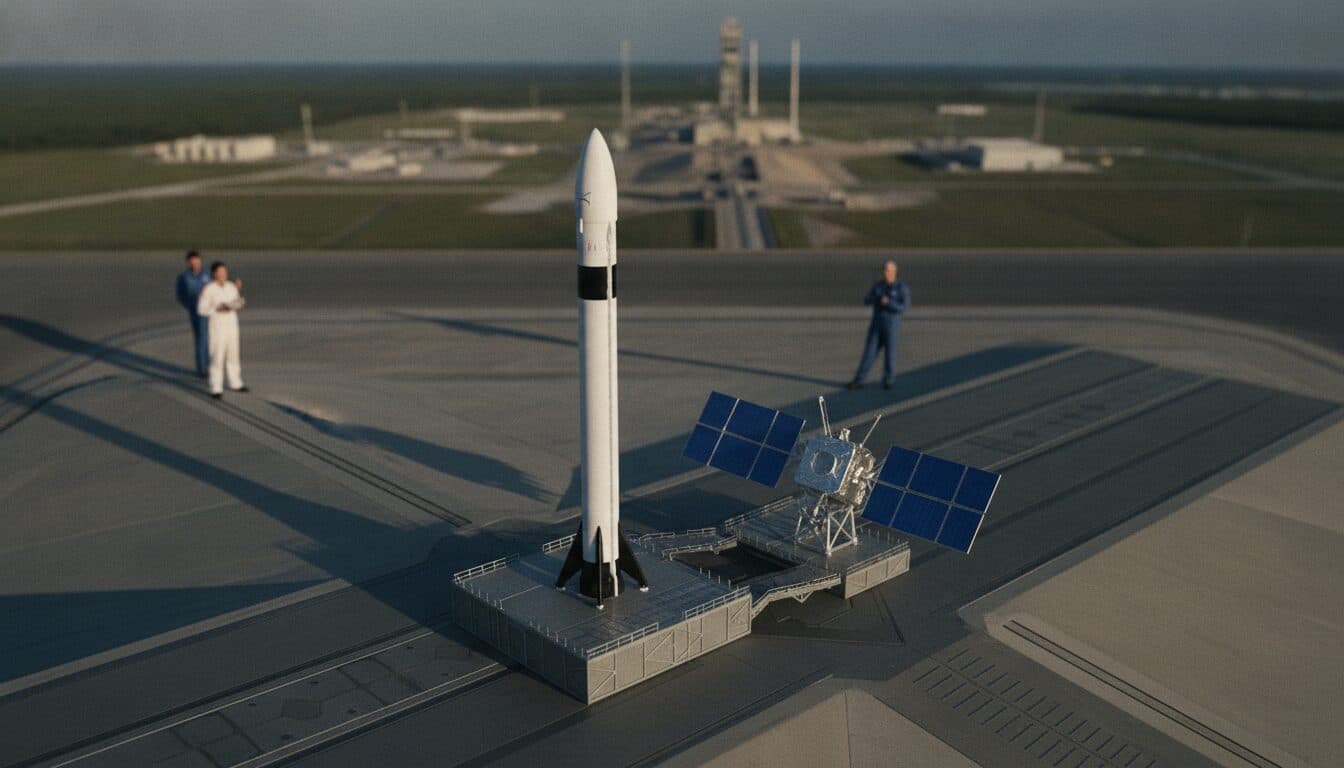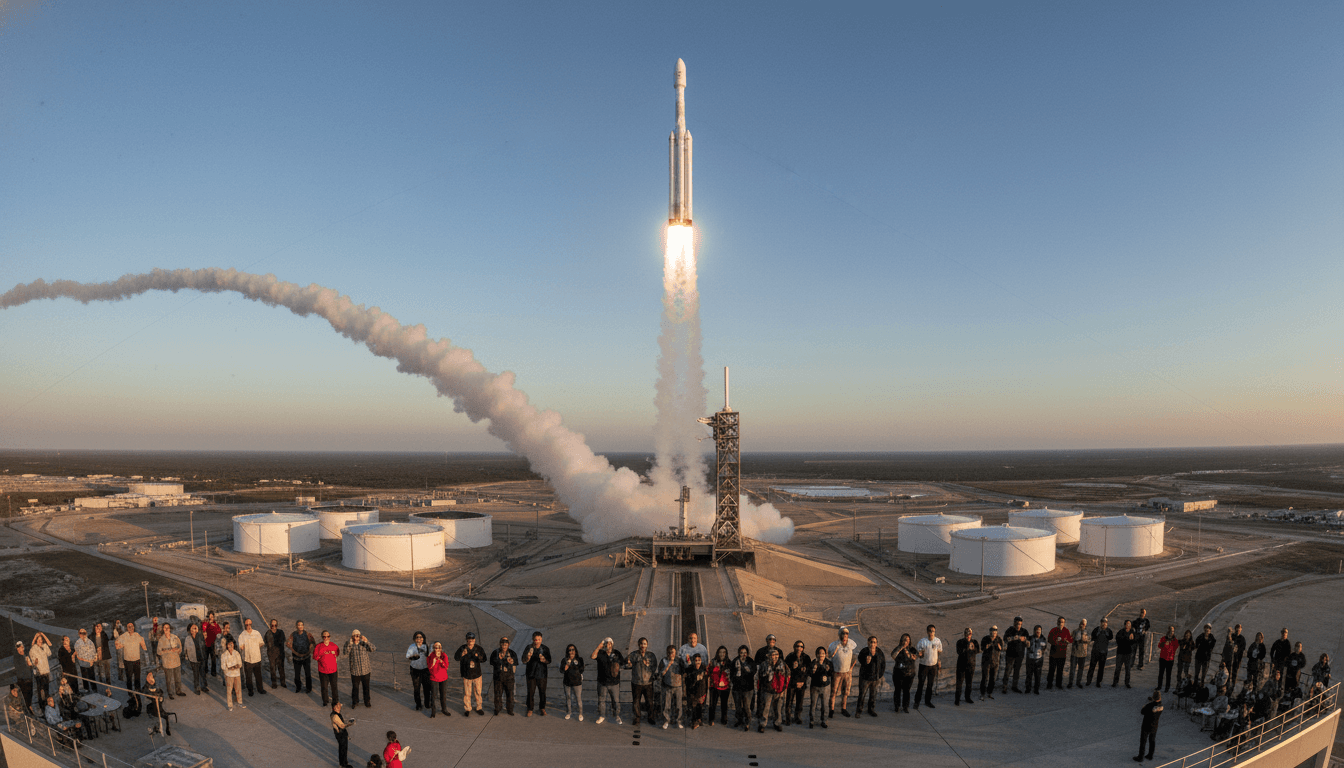
SpaceX launches final GPS III satellite, marking a significant milestone in the modernization of the Global Positioning System constellation. On Sunday, April 26, 2026, the aerospace company successfully deployed the last of the GPS III series spacecraft for the U.S. Space Force, concluding a critical phase in enhancing global navigation capabilities.
The Story: A Strategic Deployment
The successful launch of the final GPS III satellite represents the culmination of a multi-year effort by SpaceX in collaboration with the U.S. Space Force. While specific launch vehicle details were not provided in the immediate report, SpaceX’s Falcon 9 rocket has been the workhorse for previous GPS III missions, suggesting its likely involvement in this final deployment. The GPS III satellites are designed to provide more accurate positioning, navigation, and timing (PNT) signals for both military and civilian users worldwide, offering enhanced anti-jamming capabilities and improved signal strength compared to their predecessors.
Impact Analysis: Elevating Global Navigation
The completion of the GPS III constellation deployment significantly elevates the resilience and accuracy of global navigation services. This modernization effort is crucial for a wide array of sectors, from defense operations and emergency services to commercial aviation, maritime transport, and countless consumer applications relying on precise location data. The enhanced capabilities of these satellites, including their ability to broadcast a new civil signal (L1C) compatible with other international global navigation satellite systems, promise to improve interoperability and user experience globally. This strategic upgrade ensures that the foundational infrastructure for modern society’s navigation needs remains robust and cutting-edge.
Context & Background: A Decade of Modernization
The journey to modernize the GPS system has been a multi-decade endeavor, with the GPS III program representing a significant leap forward. Prior generations of GPS satellites have been in service for decades, and while remarkably reliable, they faced limitations in the face of evolving technological demands and potential adversaries. The U.S. Space Force, established in 2019, has overseen the final phases of this deployment, underscoring the strategic importance of space-based assets for national security and global stability. SpaceX’s role as a launch provider has been instrumental in accelerating these deployments, showcasing the growing reliance on private sector innovation for critical government space missions. For more on the evolving role of commercial space in national defense, see our related science & space articles.
“The successful deployment of the entire GPS III constellation is a testament to the enduring partnership between commercial space companies and national security imperatives, solidifying America’s leadership in space-based navigation technology.”
What’s Next: Sustaining the Advantage
With the final GPS III satellite now in orbit, attention will shift towards the operational integration and long-term maintenance of this advanced constellation. Future developments will likely focus on the next generation of GPS satellites, potentially known as GPS IIIF, which will build upon the capabilities of the GPS III series with further technological advancements. The U.S. Space Force will continue to monitor and manage the constellation, ensuring optimal performance and signal integrity. Furthermore, the successful completion of this program could influence future procurement strategies for other critical space infrastructure, potentially encouraging further collaboration between government agencies and commercial space entities.
Key Takeaway: Securing the Digital Compass
The launch of the final GPS III satellite is more than just another orbital deployment; it is a critical investment in the infrastructure that underpins global commerce, security, and daily life. By modernizing its foundational navigation system, the U.S. Space Force, with partners like SpaceX, ensures that the digital compass guiding everything from smartphone apps to precision-guided munitions remains accurate, resilient, and secure for decades to come. This achievement reinforces the indispensable role of space technology in maintaining geopolitical stability and fostering technological progress on Earth.