Korean scientists create revolutionary radiation shield, a nanotechnology breakthrough capable of blocking radiation, marking a significant advance with profound implications for medicine, nuclear energy, and future space missions worldwide. Announced on Friday, May 8, 2026, this discovery by unnamed Korean researchers promises to redefine safety protocols and operational capabilities across multiple high-stakes sectors.
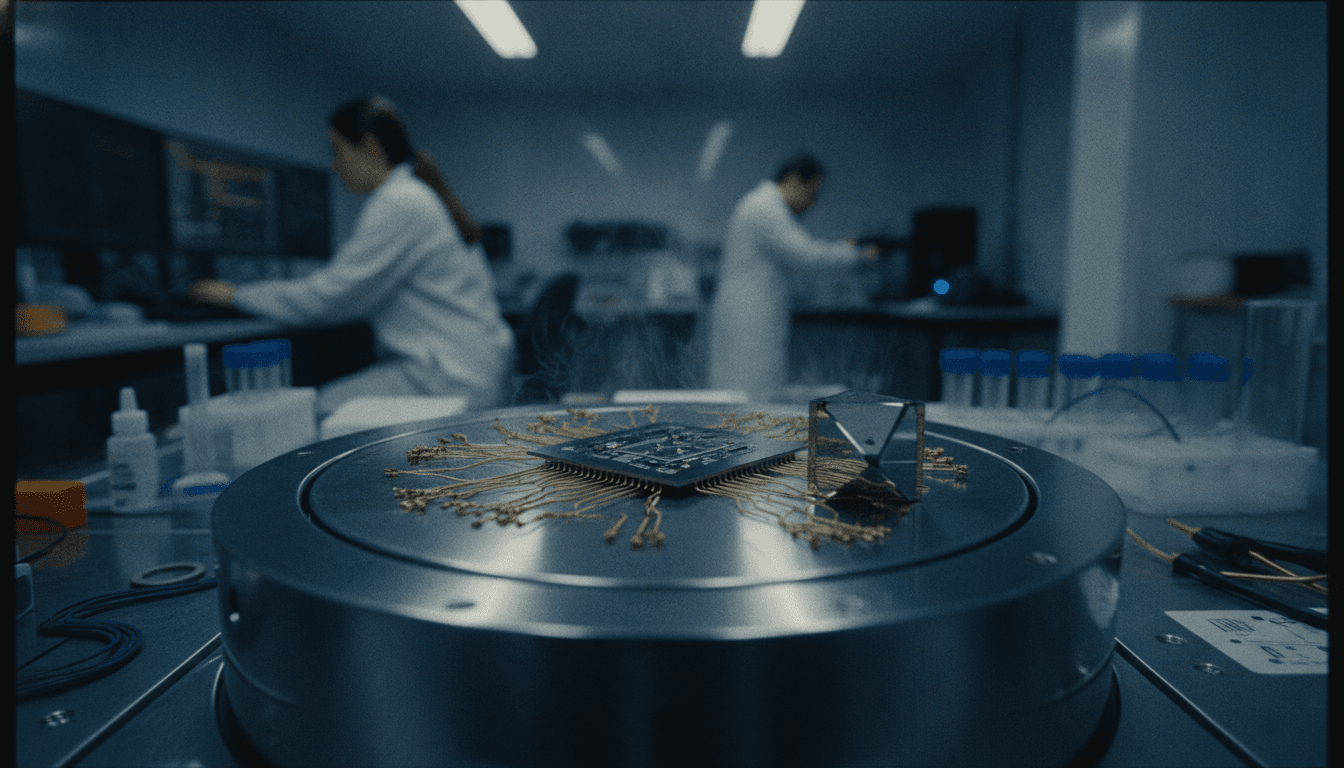
The core of this breakthrough lies in a novel application of nanotechnology. While specific details of the material’s composition and mechanism are yet to be fully disclosed, the announcement from CPG Click Petróleo e Gás highlights its effectiveness in creating a robust barrier against radiation. This goes beyond traditional shielding methods, which often rely on bulky, heavy materials like lead or concrete, presenting significant logistical challenges, especially in space exploration and certain medical applications.
Impact Analysis
The implications of a functional, lightweight, and efficient radiation shield are far-reaching. In medicine, it could lead to safer diagnostic and therapeutic procedures, protecting both patients and medical personnel from unintended radiation exposure. For instance, in proton therapy or advanced imaging, precise shielding could enhance treatment efficacy and reduce collateral damage to healthy tissues. This could accelerate the development of new radiation-based medical technologies and improve the safety of existing ones. Related science & space articles often discuss the critical need for such advancements.
The nuclear energy sector stands to benefit immensely. Enhanced radiation shielding could improve safety standards for nuclear power plants, waste storage facilities, and decommissioning efforts. It might enable more compact reactor designs or safer, more efficient handling of radioactive materials, potentially lowering costs and increasing public acceptance of nuclear power as a clean energy source. The ability to create a revolutionary radiation shield could also simplify the design and operation of small modular reactors (SMRs), making them more viable for deployment in diverse locations.
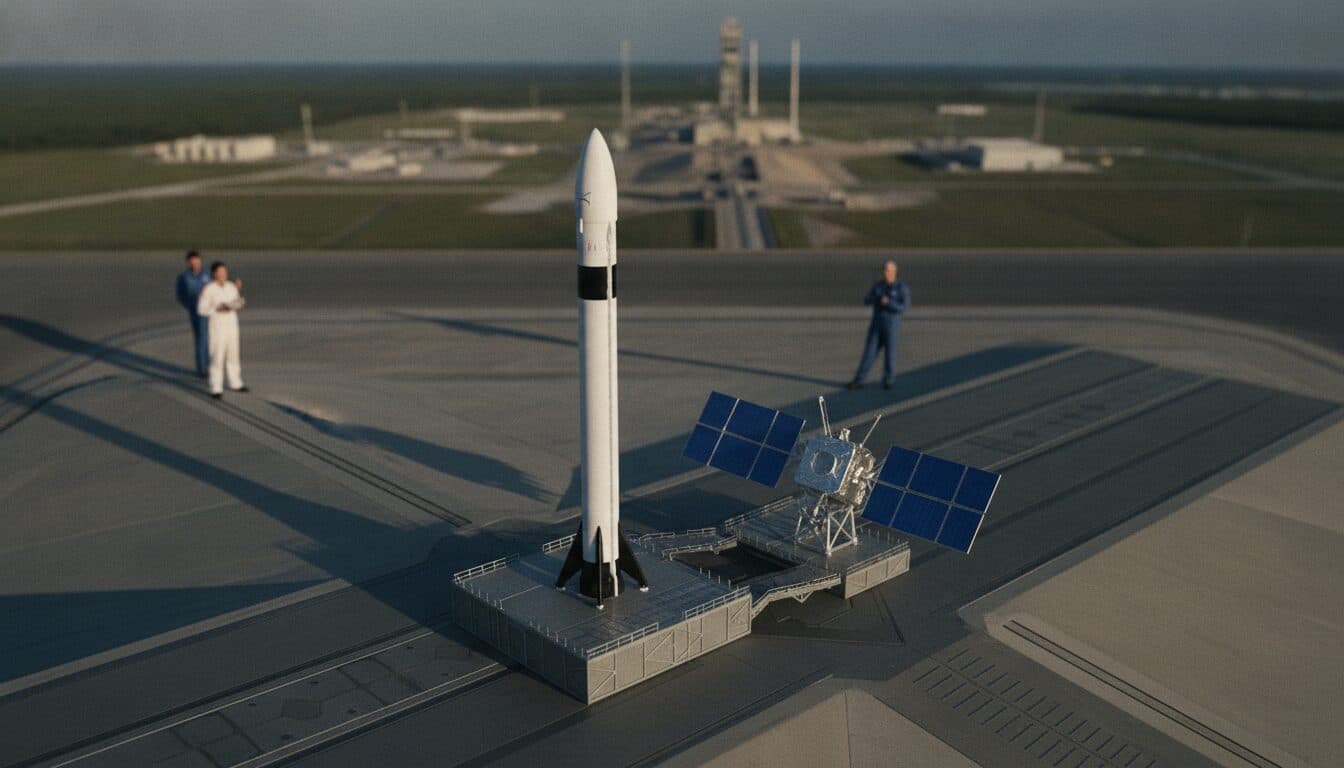
Perhaps the most transformative impact will be on space missions. Long-duration missions to Mars or beyond are currently constrained by the immense challenge of protecting astronauts from cosmic radiation and solar particle events. Traditional shielding is prohibitively heavy for spacecraft. A lightweight, nanotechnology-based shield could drastically reduce spacecraft mass, making deep-space travel safer, more feasible, and less costly. This could unlock new possibilities for human exploration and colonization beyond Earth’s immediate vicinity.
“This discovery could fundamentally alter the risk calculus for human endeavors in high-radiation environments, from operating advanced medical devices to establishing permanent lunar bases.”
Context & Background
The quest for effective radiation shielding is as old as the discovery of radioactivity itself. Early efforts focused on materials like lead, steel, and water, which absorb radiation through various interactions. However, these materials are often dense and bulky, limiting their application in scenarios where weight or space is a premium. Over the decades, researchers have explored various composites and active shielding concepts, but a truly revolutionary radiation shield has remained elusive. The advent of nanotechnology has opened new avenues, allowing for the manipulation of materials at the atomic and molecular level to achieve properties not possible with bulk materials. This Korean breakthrough represents a culmination of years of global research in this specialized field.
What’s Next
While the initial announcement is promising, the scientific community will eagerly await further details, including peer-reviewed publications and demonstrations of the technology. Key next steps will involve rigorous testing of the shield’s efficacy against various types and energies of radiation, its durability, and its scalability for industrial applications. Commercialization pathways will need to be established, involving partnerships between research institutions and industries in medicine, aerospace, and energy. Regulatory bodies worldwide will also need to assess and approve this new technology for widespread adoption. The speed at which this technology transitions from laboratory to practical application will depend heavily on these validation processes and the availability of funding for further development and manufacturing.
The development of this revolutionary radiation shield marks a pivotal moment in science and technology. It not only addresses critical safety concerns across multiple industries but also opens doors to previously unimaginable possibilities, particularly in the ambitious realm of deep-space exploration. The world watches as Korean scientists create revolutionary radiation shield technology, anticipating its profound impact on our future.