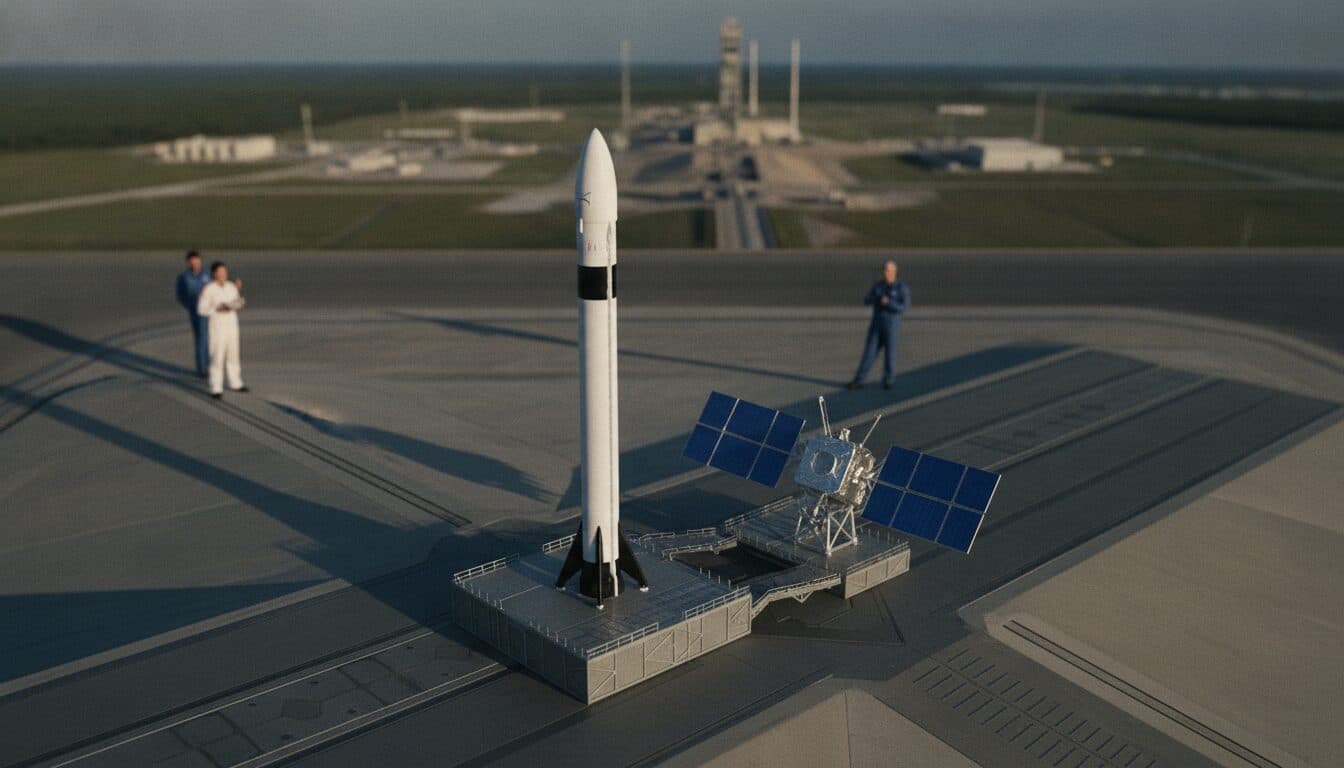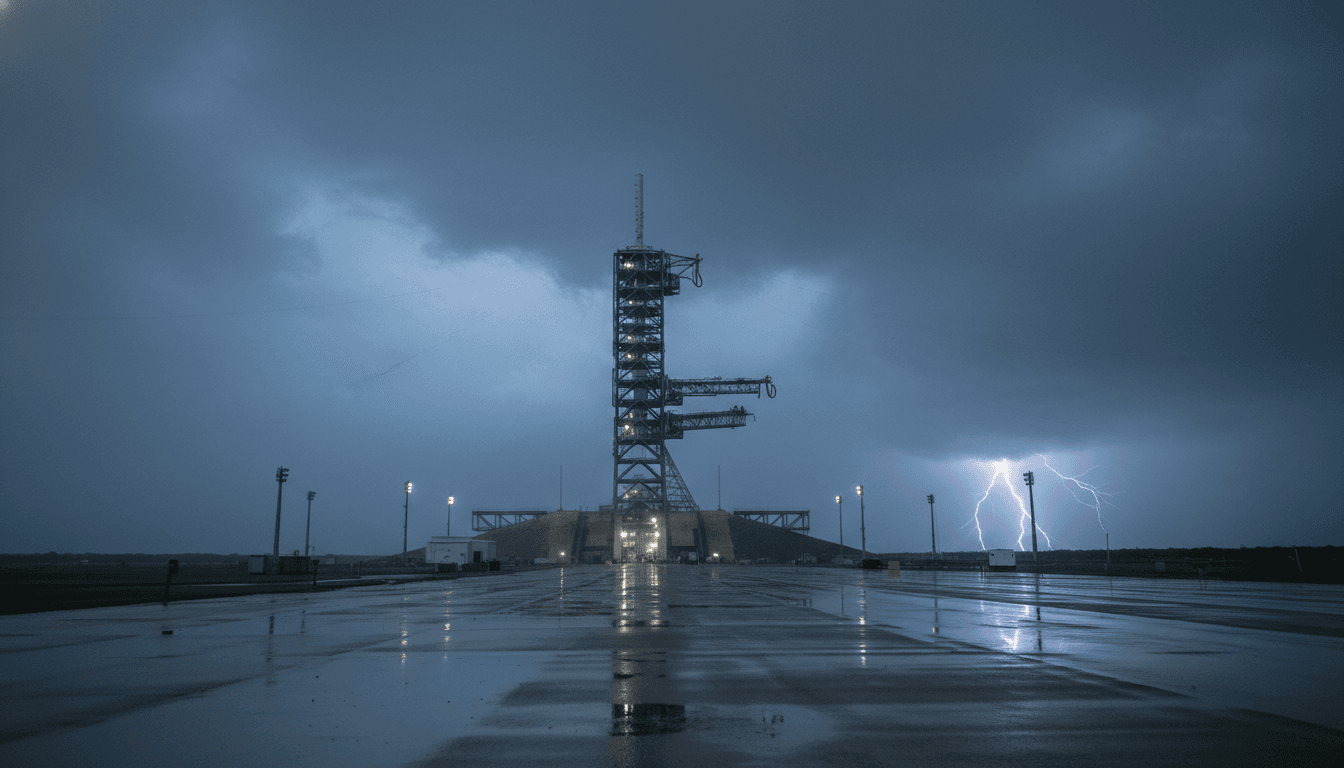
Poor weather causes NASA, SpaceX to scrub launch attempt of the 34th Cargo Dragon mission to the International Space Station, a decision made on Wednesday, May 13, 2026. This postponement marks a temporary halt in the critical resupply efforts for the orbiting laboratory, underscoring the formidable challenges and meticulous safety protocols inherent in spaceflight operations. The joint NASA-SpaceX endeavor, a cornerstone of maintaining human presence in low Earth orbit, now awaits a more favorable launch window.
The Story: Awaiting Clear Skies
The 34th Cargo Dragon mission, a routine yet vital resupply run, encountered an unforeseen obstacle: meteorological conditions deemed unsuitable for launch. While specific details regarding the nature of the poor weather—be it high winds, lightning risk, or heavy precipitation—were not immediately released beyond the general descriptor, the decision to scrub highlights the stringent weather criteria that must be met for any rocket launch, particularly those involving crew safety or high-value payloads destined for the ISS. NASA and SpaceX collaborate closely on these missions, with SpaceX providing the Falcon 9 rocket and the Cargo Dragon capsule, and NASA overseeing the mission objectives and safety parameters.
The scrub, announced on Wednesday, May 13, 2026, means that the supplies, equipment, and scientific experiments packed aboard the Cargo Dragon will remain Earth-bound for now. These missions are meticulously planned, often carrying perishable research materials or time-sensitive equipment vital for ongoing experiments on the ISS. Any delay, while necessary for safety, can have a ripple effect on the scientific work being conducted hundreds of kilometers above our planet.
“The decision to scrub a launch is never taken lightly; it prioritizes the safety of personnel and the integrity of the mission above all else. Weather remains one of the most unpredictable variables in spaceflight.”
Impact Analysis: Resupply Chain Resilience
The delay of the 34th Cargo Dragon mission, while a setback, also demonstrates the robust nature of the resupply chain to the International Space Station. While immediate scientific timelines might be adjusted, the ISS is designed with significant redundancy and storage capabilities, allowing it to absorb such delays without critical shortages. However, repeated or prolonged scrubs due to poor weather causes NASA, SpaceX to re-evaluate launch schedules and resource allocation. This incident serves as a reminder of the inherent complexities in maintaining a continuous human presence in space and the reliance on precise launch windows.
For the broader science and space landscape, these scrubs are a regular occurrence, emphasizing that despite advanced technology, terrestrial weather remains a primary constraint. Organizations like NASA and SpaceX invest heavily in meteorological forecasting, but nature’s unpredictability often dictates the final launch decision. This particular delay, while not catastrophic, adds to the cumulative operational costs and logistical challenges of space exploration. Readers can find more information on ongoing space station operations and resupply missions on our science & space pages.
Context & Background: A Partnership Forged in Orbit
The partnership between NASA and SpaceX for Cargo Dragon missions is a cornerstone of American capabilities in resupplying the ISS. Since the retirement of the Space Shuttle program, commercial resupply services have become indispensable. SpaceX’s Cargo Dragon has been a reliable workhorse, completing dozens of successful missions. Each mission is a complex dance involving launch preparations, orbital mechanics, and precise docking procedures with the ISS. The 34th Cargo Dragon mission is part of a long series, building on years of experience and iterative improvements in spacecraft and launch vehicle technology.
Historically, weather has always played a significant role in launch readiness. From the early days of Mercury and Apollo to the Space Shuttle and now commercial crew and cargo, meteorologists are critical members of any launch team. The criteria for launch are stringent, covering everything from wind shear at various altitudes to cloud cover, precipitation, and lightning potential within a certain radius of the launch pad. These safety measures are in place to protect the rocket, its payload, ground personnel, and the ISS itself from potential debris or electrical interference.
What’s Next: Awaiting the Next Window
Following the scrub, NASA and SpaceX mission planners will convene to identify the next available launch window. This process involves evaluating not only the weather forecast for the coming days but also orbital mechanics, ensuring the ISS is in the correct position for rendezvous. Technical readiness of the Falcon 9 rocket and the Cargo Dragon capsule will also be re-verified. Typically, a scrub leads to a 24 to 48-hour delay, but more persistent adverse weather could push the launch further back. Updates will be keenly awaited by the scientific community and space enthusiasts alike. The continuous flow of supplies and experiments is crucial for the ongoing research conducted by the international astronaut crews aboard the station. Further developments in spaceflight logistics are regularly covered by The Financial Standard.
Key Takeaway: The Unyielding Power of Nature
The scrub of the 34th Cargo Dragon mission serves as a potent reminder that even with humanity’s most advanced technological marvels, the forces of nature remain a primary determinant in our endeavors to reach space. While disappointing for those eagerly anticipating the launch, the decision to postpone due to poor weather causes NASA, SpaceX to uphold the highest standards of safety and mission integrity. This cautious approach ensures the long-term viability of space exploration and the continued success of the International Space Station as a beacon of international scientific collaboration.