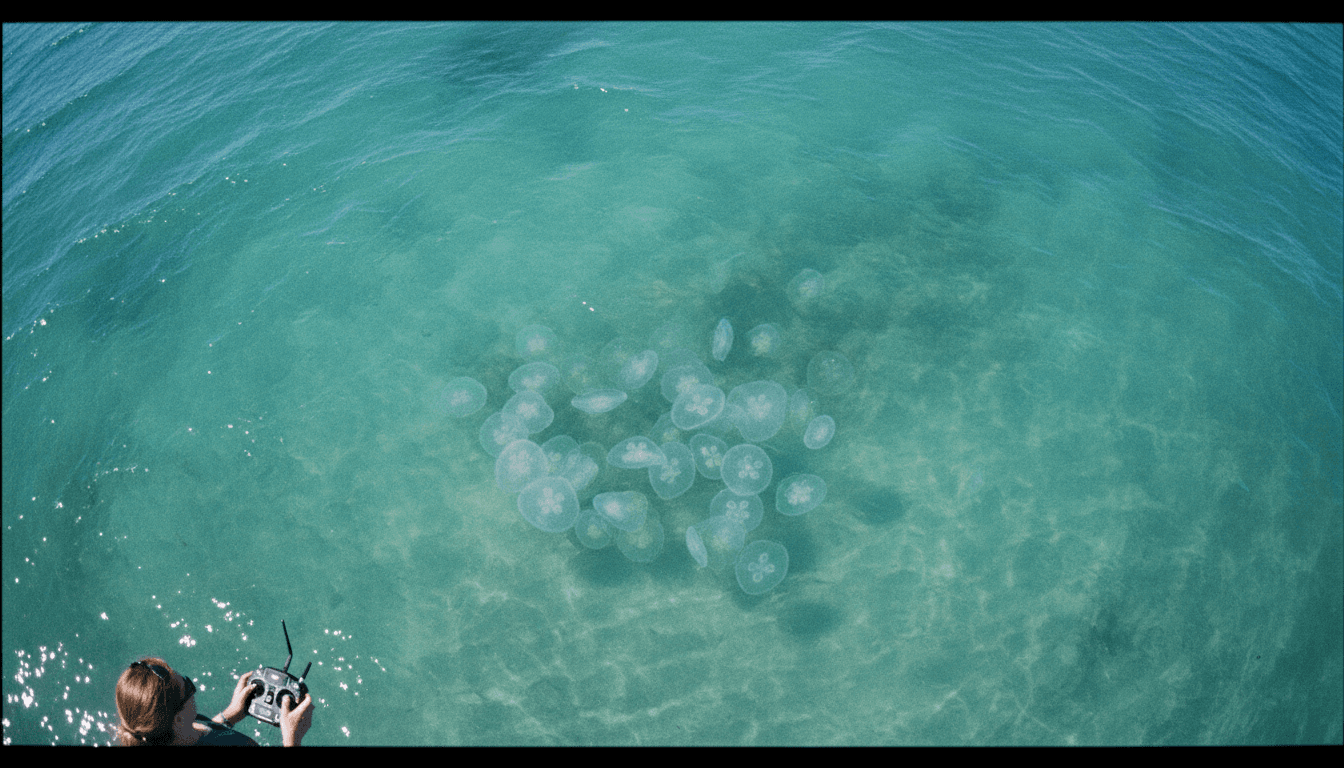
Galveston researchers discovered a new moon jellyfish species in the Gulf of Mexico, marking a significant addition to marine biodiversity knowledge. This finding, announced on Saturday, April 25, 2026, by Houston Public Media, underscores the ongoing scientific exploration of the Gulf’s rich, yet often underexplored, ecosystems.
The discovery was made by a team of Galveston researchers, whose diligent work has brought to light a previously unknown species of moon jellyfish. While specific details about the researchers and the exact characteristics of the new species are still emerging, the announcement highlights a substantial achievement in marine biology. The Gulf of Mexico, a vast and complex body of water, continues to surprise scientists with its hidden inhabitants, reaffirming its status as a critical biodiversity hotspot.
Impact Analysis
The identification of a new moon jellyfish species has several profound implications for the broader science and space landscape. Firstly, it expands our understanding of cnidarian diversity, particularly within the Aurelia genus, which typically encompasses moon jellyfish. This discovery could necessitate revisions in taxonomic classifications and provide new insights into the evolutionary pathways of these ancient marine invertebrates. Furthermore, it emphasizes the importance of sustained oceanographic research and funding for expeditions that delve into less-explored marine environments.
From an ecological perspective, understanding new species like this moon jellyfish is crucial. Jellyfish play vital roles in marine food webs, acting as both predators and prey. A new species could indicate unique ecological niches, specific environmental requirements, or previously unknown trophic interactions within the Gulf ecosystem. This information is invaluable for conservation efforts and for monitoring the health of marine environments, especially as oceans face increasing pressures from climate change and human activity. The presence of a new species could also serve as a bioindicator, reflecting specific conditions or changes in the Gulf’s water quality or temperature.
“Every new species discovery is a puzzle piece added to the grand mosaic of life on Earth, revealing more about the intricate connections within our planet’s ecosystems and challenging our previous assumptions,” says a leading marine biologist familiar with Gulf research.
Context & Background
The Gulf of Mexico is renowned for its immense biological diversity, supporting a wide array of marine life from microscopic plankton to large marine mammals. Despite extensive research, large portions of the Gulf, particularly its deep-sea environments and less accessible areas, remain largely unexplored. Previous expeditions have frequently yielded new species discoveries, ranging from deep-sea corals to unique fish and invertebrate forms. This trend highlights a consistent pattern: the more we look, the more we find, underscoring the vastness of undiscovered life in our oceans. The Galveston researchers’ work is part of a continuing legacy of exploration in this vital region. Related science & space articles often detail the challenges and triumphs of such deep-sea explorations.
Moon jellyfish, generally belonging to the genus Aurelia, are common inhabitants of coastal waters worldwide. They are characterized by their translucent, bell-shaped bodies and typically four horseshoe-shaped gonads visible through the bell. While seemingly simple organisms, their ecological impact can be significant, particularly during bloom events. The discovery of a new moon jellyfish species suggests a greater complexity within this group than previously understood, potentially revealing subtle morphological or genetic differences that distinguish it from known species.
What’s Next for the New Moon Jellyfish
The immediate next steps following the discovery of this new moon jellyfish will likely involve comprehensive taxonomic analysis. Researchers will need to publish detailed scientific descriptions, including morphological characteristics, genetic sequencing, and ecological observations, to formally classify the species. This process ensures the findings are peer-reviewed and integrated into global biodiversity databases. Further research will also focus on understanding the new species’ distribution, population dynamics, and its specific role within the Gulf’s ecosystem. This could involve additional sampling expeditions and long-term monitoring efforts.
Beyond scientific classification, the discovery may spur increased interest and funding for marine research in the Gulf. It serves as a compelling reminder of how much remains unknown about our planet’s oceans and the potential for groundbreaking discoveries that can inform conservation strategies and resource management. Understanding the environmental conditions under which this new moon jellyfish thrives could also offer insights into broader ocean health and the impacts of environmental changes. Our coverage of marine biology often emphasizes the interconnectedness of such discoveries with global ecological trends.
Key Takeaway
The discovery of a new moon jellyfish species by Galveston researchers is a powerful testament to the enduring mysteries of our planet’s oceans and the critical importance of ongoing scientific exploration. It not only enriches our understanding of marine biodiversity but also reinforces the value of sustained research efforts in regions like the Gulf of Mexico, which continue to yield surprises and deepen our appreciation for the natural world. Each new species identified is a reminder of the vast, complex, and often hidden life that thrives beneath the waves, urging us to protect these vital ecosystems for future generations.