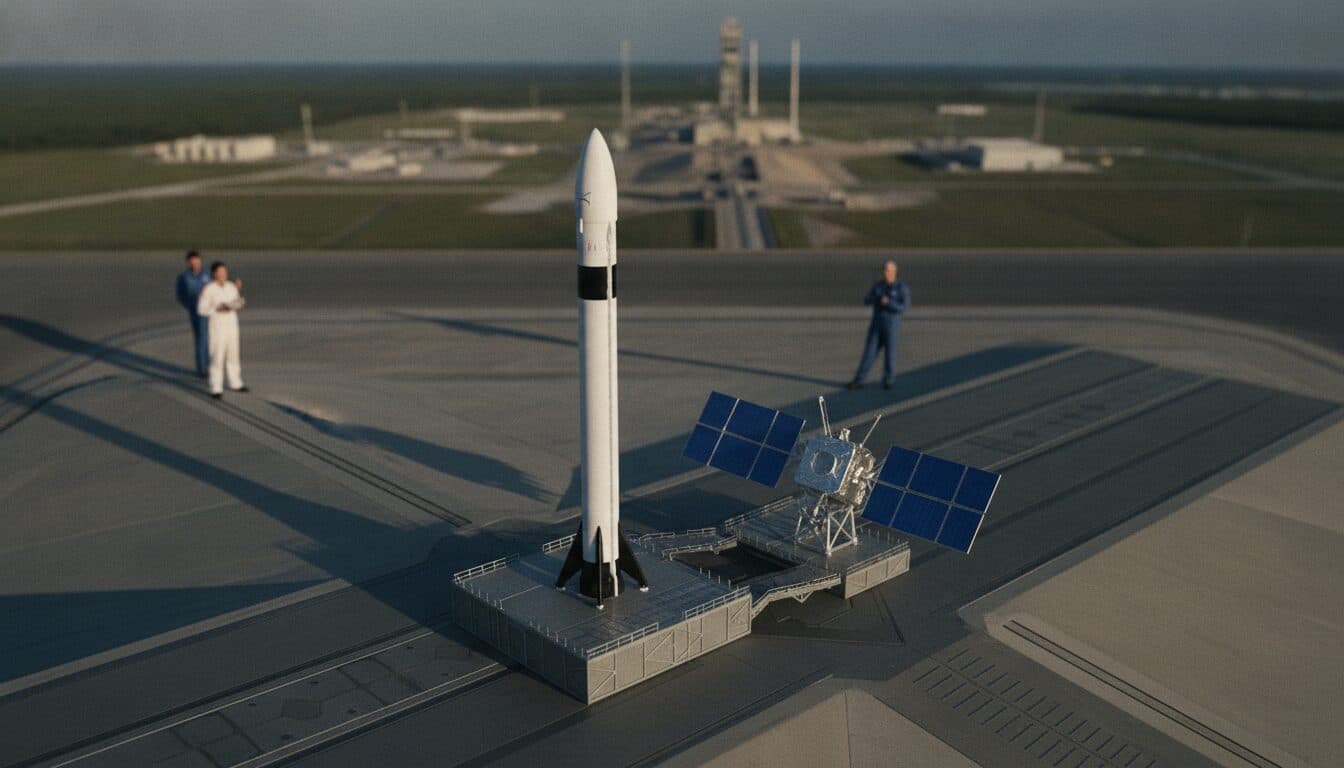
NASA names new Moon colonization leader, a significant development in the ongoing efforts to establish a sustained human presence on the lunar surface. The agency’s decision, announced on Monday, June 1, 2026, marks a pivotal moment, signaling a strategic shift in its approach to lunar exploration and habitation. This move explicitly bypasses SpaceX, a prominent private aerospace contender often associated with ambitious space colonization initiatives, in favor of an as-yet-unnamed entity.
The Story: A New Era for Lunar Colonization
The announcement from NASA, as reported by 24/7 Wall St., confirms that a new leader has been selected to spearhead the ambitious goal of colonizing the Moon. While the specific name of the chosen entity has not been disclosed in the initial reports, the definitive statement that it is ‘not SpaceX’ immediately frames the decision as a strategic pivot. This selection process undoubtedly involved rigorous evaluation of proposals outlining technological capabilities, logistical strategies, and long-term sustainability plans for lunar operations. The emphasis on colonization suggests a scope beyond temporary missions, aiming for permanent infrastructure and human settlement.
The race to colonize the Moon involves intricate engineering challenges, from developing self-sustaining habitats and resource utilization systems to ensuring reliable transportation and communication networks. NASA’s choice of a new Moon colonization leader indicates a confidence in the selected partner’s ability to navigate these complexities and deliver on the long-term vision of lunar settlement. This decision will likely influence funding allocations, technological development pathways, and international collaborations in the coming years.
Impact Analysis: Shifting Sands in Space Partnerships
The implications of NASA’s decision reverberate throughout the commercial space industry and the broader scientific community. By selecting a new Moon colonization leader that is not SpaceX, NASA is potentially diversifying its portfolio of key partners and fostering competition in a rapidly expanding sector. SpaceX, under Elon Musk, has been a dominant force in recent years, securing high-profile contracts for cargo resupply, crew transport, and even the Human Landing System for Artemis missions. This new development suggests NASA is keen to leverage expertise from a wider array of aerospace firms, or perhaps a consortium, to achieve its lunar objectives.
This strategic choice could invigorate other companies in the space industry, encouraging them to innovate and compete for future NASA contracts. It might also reflect a desire within NASA to mitigate risks associated with over-reliance on a single private entity, or to explore alternative technological philosophies for lunar development. The selected leader will now face immense pressure and scrutiny, as the success or failure of their lunar colonization efforts will significantly impact the future trajectory of human space exploration. Read more about the evolving landscape of space partnerships here.
“This decision underscores NASA’s commitment to a multi-faceted approach to lunar colonization, ensuring robust competition and diverse technological pathways for humanity’s return to the Moon.”
Context & Background: The Lunar Race Heats Up
The drive to colonize the Moon is not a new concept, but it has gained significant momentum in the 21st century, fueled by technological advancements and renewed geopolitical interest. NASA’s Artemis program aims to return humans to the Moon by the mid-2020s, laying the groundwork for sustained lunar presence and eventually missions to Mars. This program relies heavily on private sector partnerships for various components, including rockets, landers, and habitat modules.
Historically, space exploration has been primarily a government-led endeavor. However, the rise of companies like SpaceX, Blue Origin, and Dynetics has ushered in an era of public-private collaboration, accelerating development and reducing costs. The competition for NASA contracts, particularly those related to the Moon and Mars, has been fierce. SpaceX, with its Starship program, has been a frontrunner for many aspects of lunar transportation and infrastructure, making this latest announcement all the more noteworthy.
The broader industry trend indicates a shift towards establishing permanent lunar bases – not just for scientific research, but also for potential resource extraction, space manufacturing, and as a stepping stone for deeper space exploration. This context highlights the immense strategic value of being chosen as the new Moon colonization leader.
What’s Next: Unveiling the Future of Lunar Habitation
The immediate next step will be the formal announcement of the chosen entity that will serve as the new Moon colonization leader. This unveiling will likely detail the scope of their responsibilities, the specific technologies they plan to employ, and the timeline for achieving key milestones. We can expect to see comprehensive plans for habitat construction, life support systems, power generation, and in-situ resource utilization (ISRU) – the process of using local lunar materials for sustenance and construction. Explore our archives for insights into advanced lunar habitat designs.
Future implications include potential shifts in investment flows within the aerospace sector, as companies align themselves with the new leader or seek to develop complementary technologies. International collaborations may also be influenced, as NASA’s chosen partner could attract global talent and resources. The success of this new partnership will be crucial for NASA’s broader vision of establishing a sustainable lunar economy and preparing for future missions to Mars and beyond. Upcoming decisions will involve specific contract awards, detailed mission architecture planning, and rigorous testing of new lunar technologies.
Key Takeaway: A New Chapter in Lunar Exploration
NASA’s decision to name a new Moon colonization leader, distinct from SpaceX, marks a significant inflection point in the race to establish a permanent human presence on the Moon. This move signals a deliberate strategy to broaden partnerships, foster innovation, and potentially de-risk future lunar endeavors by diversifying key contractors. The chosen entity now carries the immense responsibility of translating ambitious visions into tangible lunar infrastructure, heralding a new chapter in humanity’s quest to extend its footprint beyond Earth.