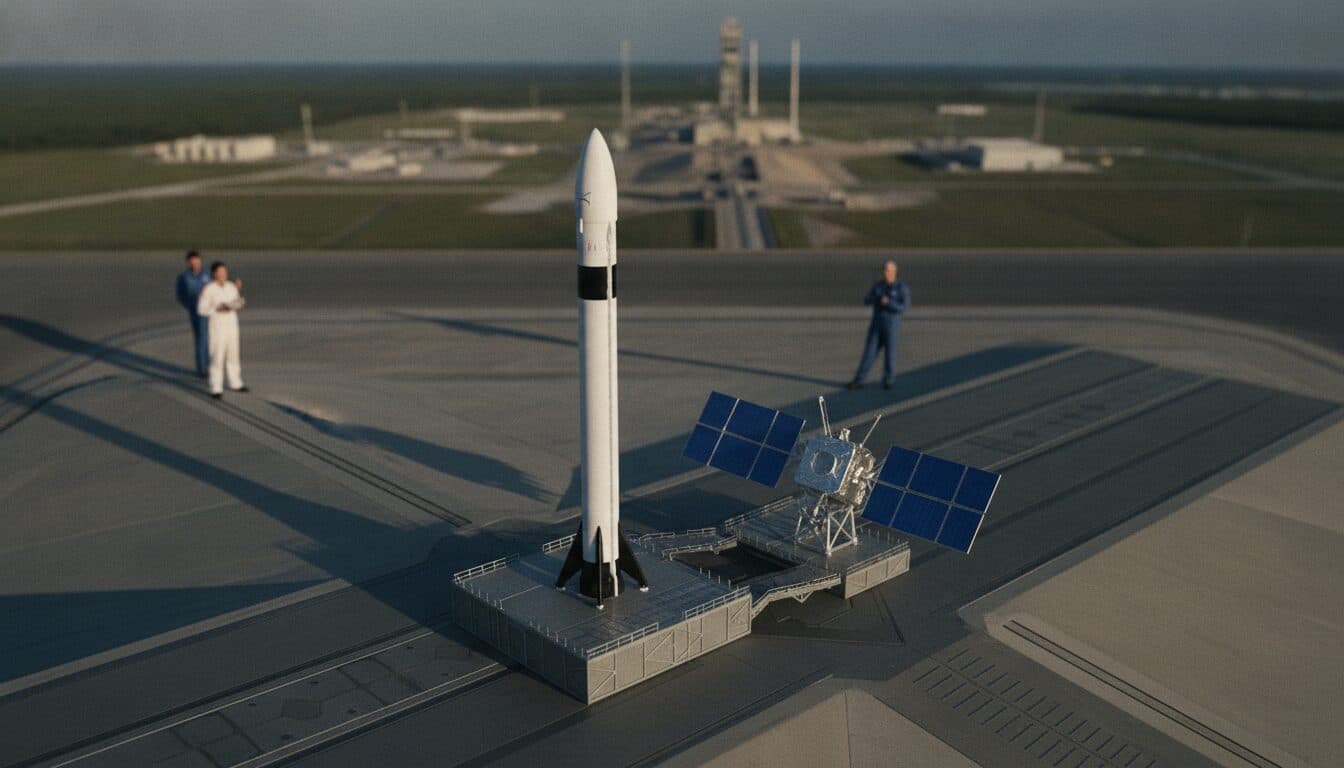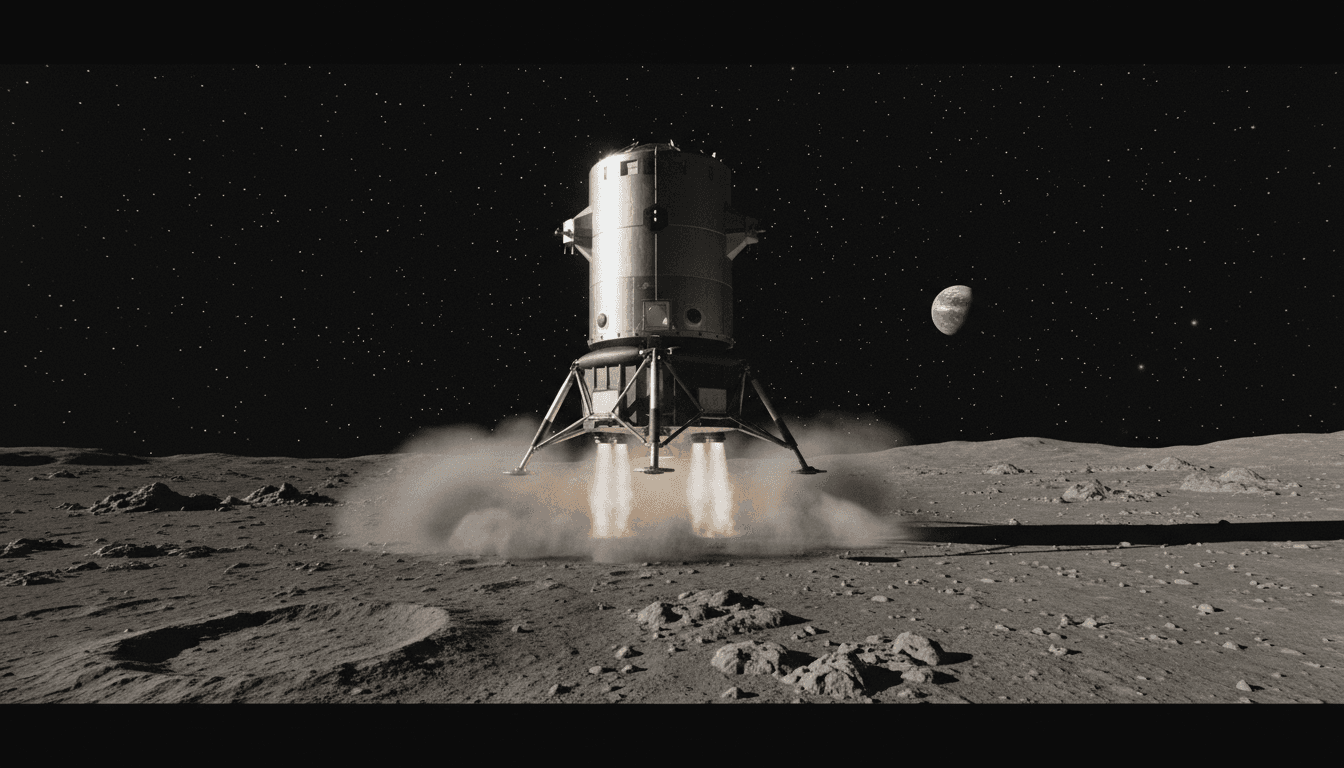
NASA Moon Plan now dramatically shifts, with the agency confirming on Sunday, April 12, 2026, that future human landings on the lunar surface will depend entirely on commercial partners like SpaceX or Blue Origin. This groundbreaking announcement marks a significant pivot in the Artemis program’s strategy, moving away from a single, government-led development path for human landing systems (HLS) and embracing a competitive, privately-driven approach.
The Story: A New Era for Lunar Landings
The core of this strategic realignment involves NASA entrusting the development and operation of the Human Landing System (HLS) to private aerospace companies. Previously, while commercial partners were always envisioned, the extent of their sole responsibility for the lunar landing vehicle was less defined. The latest declaration from NASA makes it clear: the onus is now squarely on the shoulders of companies like Elon Musk’s SpaceX and Jeff Bezos’s Blue Origin to deliver the hardware and capabilities necessary to return astronauts to the Moon.
This decision, while anticipated by some industry observers, crystallizes the agency’s commitment to fostering a robust commercial space ecosystem. By placing the monumental task of lunar landings into the hands of these private entities, NASA aims to leverage their innovation, efficiency, and rapid development cycles. Both SpaceX, with its Starship development, and Blue Origin, with its Blue Moon lander concept, have been actively pursuing lunar capabilities, making them prime candidates for this expanded role.
Impact Analysis: Commercializing the Cosmos
The ramifications of this NASA Moon Plan shift are profound, reshaping the landscape of lunar exploration. Firstly, it intensifies the competition between SpaceX and Blue Origin, pushing both to accelerate their HLS development and demonstrate readiness. This rivalry is expected to drive down costs for NASA in the long run and potentially foster more resilient and versatile landing solutions. It also signals a broader trend of commercialization in space, where government agencies increasingly act as purchasers of services rather than sole developers of hardware.
For the broader science and space community, this move could accelerate the timeline for lunar missions, provided the commercial partners meet their aggressive development schedules. It also frees up NASA’s internal resources to focus on other critical aspects of deep space exploration, such as advanced propulsion, life support systems for long-duration missions, and scientific payloads. However, it also introduces a new layer of risk, as the success of the entire Artemis program now hinges on the performance and financial stability of private companies. Read more about the evolving role of private companies in space exploration.
“This decision underscores a fundamental belief in the commercial sector’s ability to innovate and deliver at a scale and pace that can truly accelerate our return to the Moon and beyond.”
Context & Background: A Shifting Lunar Strategy
NASA’s journey back to the Moon has been characterized by evolving strategies and technological challenges. The Artemis program, initiated with the goal of returning humans to the lunar surface by the mid-2020s, has seen various iterations of its Human Landing System architecture. Initially, NASA had pursued multiple HLS contracts, fostering design diversity. However, budgetary constraints and technical complexities have consistently influenced the program’s direction. This latest move can be seen as a culmination of these pressures, pushing NASA towards a more streamlined and commercially-dependent approach.
Historically, human spaceflight missions, from Apollo to the Space Shuttle, were predominantly government-led and executed. The rise of private aerospace companies, particularly over the last two decades, has fundamentally altered this paradigm. SpaceX’s successful crew and cargo missions to the International Space Station, for example, demonstrated the viability and cost-effectiveness of commercial partnerships in critical human spaceflight operations. This track record has undoubtedly influenced NASA’s confidence in entrusting the lunar landing mission to private industry, marking a significant departure from previous operational models.
What’s Next: A Race to the Moon
The immediate future will see intensified efforts from both SpaceX and Blue Origin to solidify their HLS designs and demonstrate their capabilities. NASA will likely establish stringent milestones and review processes to ensure these companies are on track. Key decisions regarding specific mission assignments, funding allocations, and integration plans for the commercial landers with NASA’s Orion spacecraft and Space Launch System (SLS) rocket are expected in the coming months. The success of this NASA Moon Plan will be crucial for the agency’s broader ambitions of establishing a sustainable lunar presence and eventually venturing to Mars. Explore other groundbreaking developments in space exploration.
The coming years will be a critical test for this new model of lunar exploration. The ability of commercial entities to meet the technical and safety requirements for human-rated lunar landers, on a schedule compatible with NASA’s Artemis goals, will define the pace of humanity’s return to the Moon. This shift represents not just a change in contractors, but a fundamental re-imagining of how humanity will achieve its most ambitious space exploration objectives.
Key Takeaway: The Commercial Gateway to the Moon
The most significant takeaway from this announcement is the definitive establishment of commercial aerospace companies as the primary gateway for human lunar landings. NASA’s decision to make the landing now depends on SpaceX or Blue Origin signifies a landmark moment in space exploration, cementing the role of private enterprise in achieving monumental human spaceflight goals. This strategic pivot promises to accelerate innovation, foster competition, and potentially open new avenues for lunar development, but also underscores the critical importance of these commercial partners in shaping the future of humanity’s off-world endeavors.