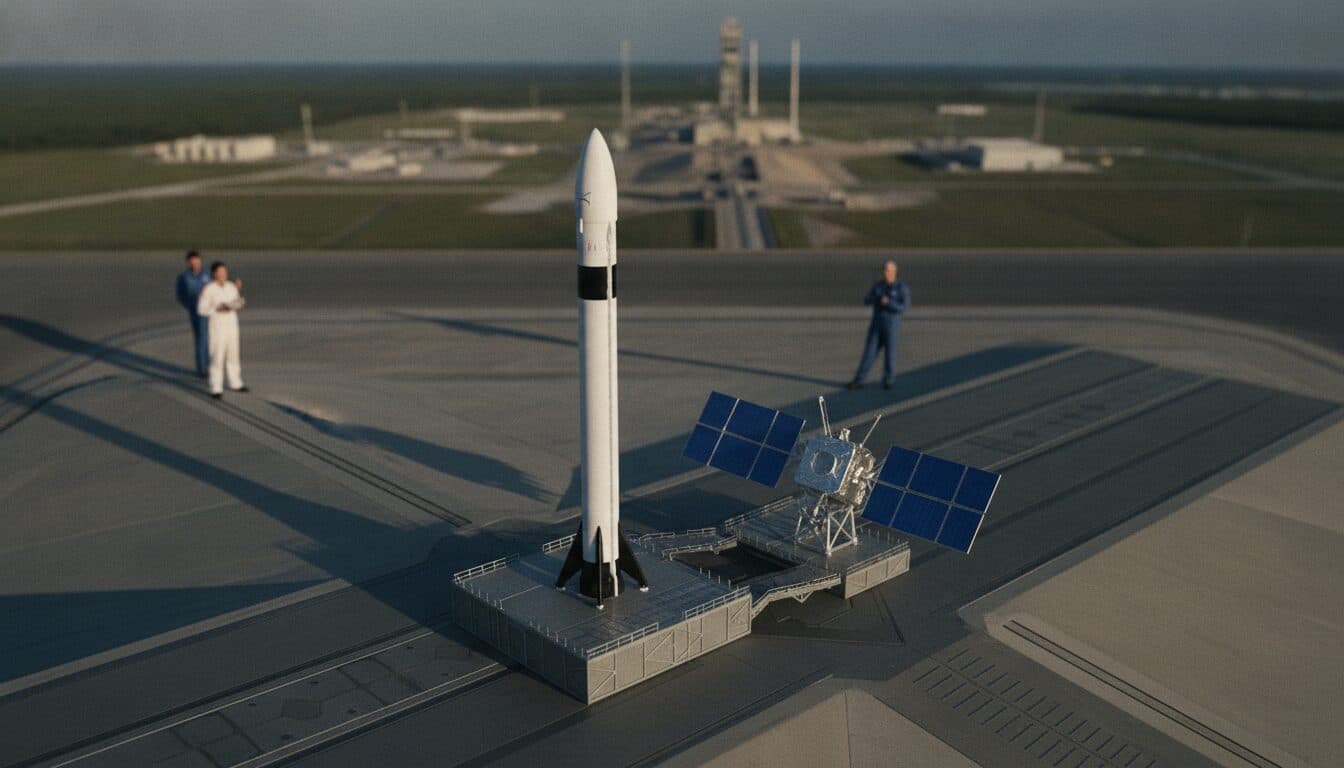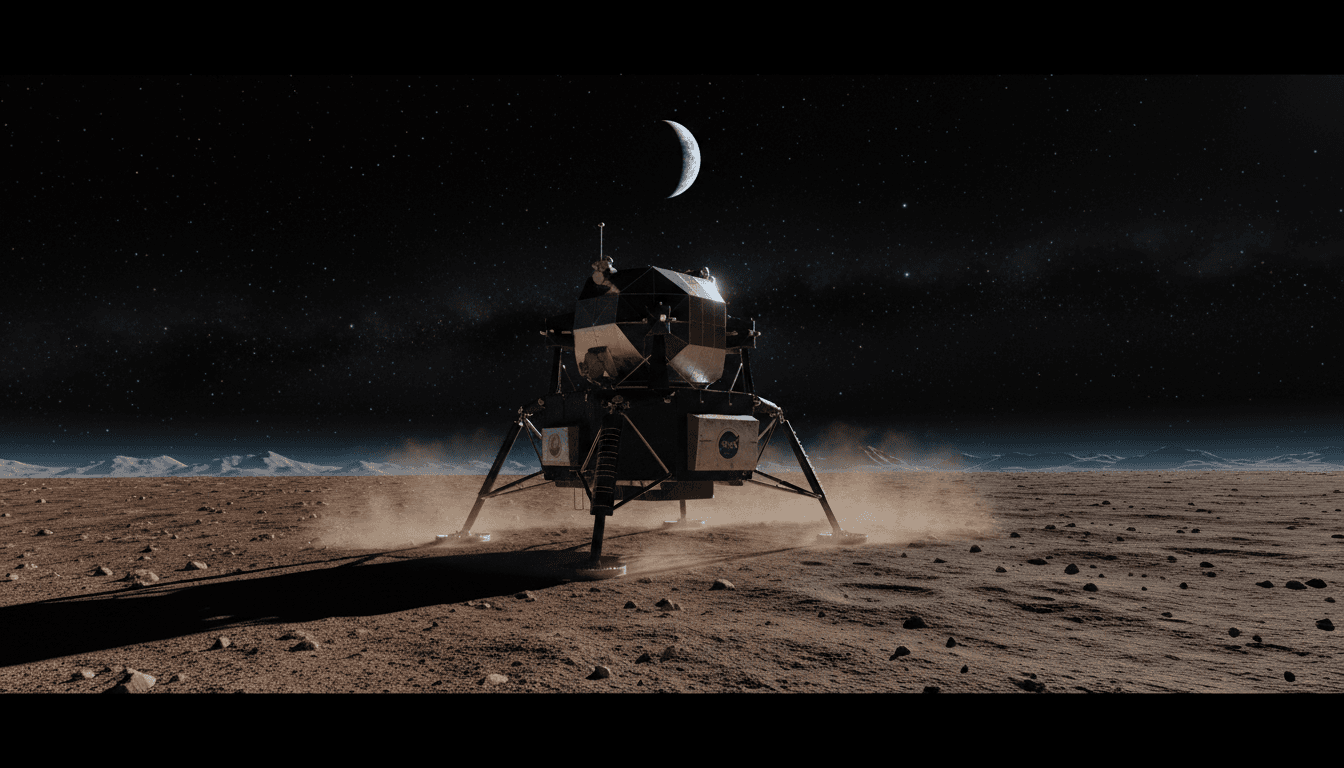
Japan’s ispace delays NASA moon landing, a significant development reported on Tuesday, April 21, 2026, pushing back a highly anticipated mission by several years. This postponement by the Japanese lunar exploration company impacts a NASA-sponsored endeavor, moving the target date for a lunar touchdown from an earlier projection to the close of the decade.
The Story: A Revised Lunar Timeline
The core of the news revolves around ispace, a Tokyo-based lunar robotics company, and its decision to reschedule a crucial NASA-sponsored moon landing. Originally slated for an earlier date, the mission is now targeting 2030. While specific reasons for the delay were not detailed in the announcement, such postponements in complex space missions are often attributed to a confluence of factors, including technical challenges, funding adjustments, and the intricate scheduling of launch windows and ground support. The mission, part of NASA’s broader efforts to foster commercial lunar exploration and establish a sustainable presence on the Moon, relies on private sector partners like ispace to deliver payloads and conduct operations.
Impact Analysis
The delay in Japan’s ispace delays NASA moon landing has ripple effects across the burgeoning commercial space sector and NASA’s ambitious Artemis program. For ispace, a company that has already faced challenges, including the unfortunate crash of its Hakuto-R Mission 1 lander in April 2023, this new timeline provides a longer runway for development and testing. However, it also extends the period before potential revenue generation from this specific mission, which could influence investor confidence and future project financing. For NASA, while delays are an inherent part of space exploration, this particular shift means a longer wait for the scientific data and technological demonstrations expected from this partnership. It underscores the inherent risks and complexities involved in relying on commercial entities for critical components of national space strategies, even as it highlights the agency’s commitment to fostering a robust lunar economy.
“The commercial lunar landscape is still in its nascent stages, and every mission, successful or delayed, provides invaluable lessons that shape the future trajectory of space exploration,”
Context & Background
The partnership between NASA and ispace is emblematic of a broader trend in space exploration where national space agencies are increasingly leveraging private companies for services previously handled in-house. NASA’s Commercial Lunar Payload Services (CLPS) initiative, under which this mission falls, aims to deliver scientific instruments and technology demonstrations to the lunar surface. This model is designed to be more cost-effective and to accelerate the pace of lunar exploration, fostering innovation within the private sector. Ispace, a pioneer in this field, has been at the forefront of attempting commercial lunar landings, demonstrating both the promise and the perils of this new frontier. Their previous attempt, while unsuccessful in landing, provided critical data and experience that will undoubtedly inform future missions, including this delayed NASA moon landing.
What’s Next
Looking ahead, the focus will be on how ispace utilizes the extended timeline to refine its technology and ensure mission success. This period will likely involve intensive testing, re-evaluation of designs, and potentially securing additional funding to support the prolonged development phase. For NASA, the agency will continue to manage its portfolio of CLPS missions, working with various commercial partners. While this specific delay is significant, it is unlikely to derail the overarching goals of the Artemis program, which envisions human return to the Moon and the establishment of a sustainable lunar presence. However, it may prompt a re-evaluation of timelines for other interconnected missions and a closer scrutiny of commercial partners’ progress. Investors and industry observers will be watching closely for updates on ispace’s technical progress and any further announcements regarding mission specifics as the 2030 target approaches. The broader implications for lunar resource utilization and sustainable lunar bases remain a key area of focus for the space community, with each mission delay or success influencing future strategies and investment.
Key Takeaway
The decision by Japan’s ispace to delay its NASA-sponsored moon landing to 2030 underscores the formidable challenges and inherent uncertainties that characterize lunar exploration, even for sophisticated commercial entities. While a setback in immediate timelines, it highlights the commitment to mission success over rushed execution, a critical principle in high-stakes space ventures. This development will undoubtedly influence strategic planning for both public and private stakeholders in the lunar economy, emphasizing the need for robust planning, flexibility, and a long-term perspective in the pursuit of extraterrestrial ambitions. As the commercial space race intensifies, such adjustments are not uncommon, serving as reminders of the pioneering spirit required to push the boundaries of human endeavor beyond Earth.