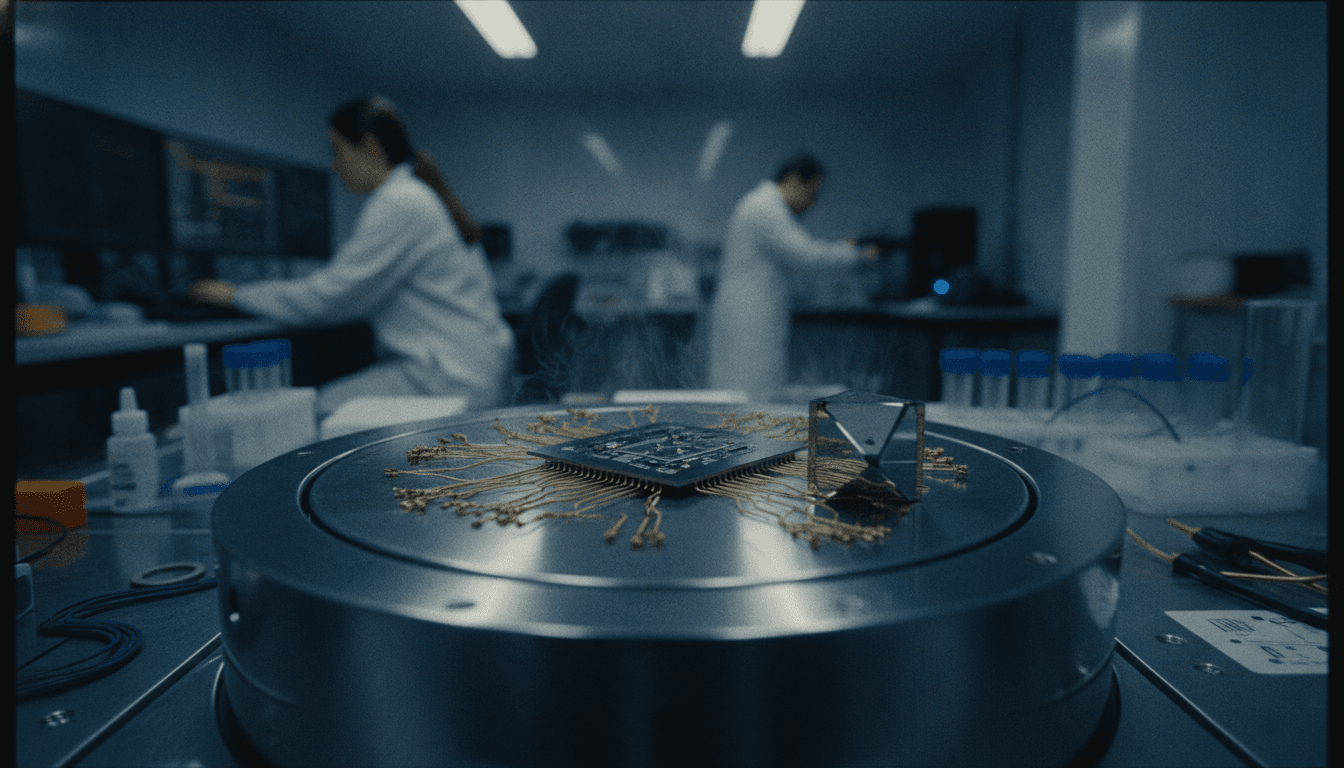
India quantum push, driven by indigenous research, is set to significantly bolster the nation’s cybersecurity, defence capabilities, and technological sovereignty. This ambitious national initiative, as highlighted on Tuesday, April 14, 2026, marks a pivotal moment in India’s journey towards establishing itself as a frontrunner in the global quantum race.
The concerted effort involves a multi-pronged strategy to develop advanced quantum technologies domestically, aiming to reduce reliance on foreign solutions and secure critical national infrastructure against emerging threats. The focus extends across various quantum domains, from quantum computing and communication to quantum sensing, each holding profound implications for national security and economic growth.
The Story: A Strategic Indigenous Drive
The core of this development is India’s commitment to indigenous research. This strategy emphasizes nurturing local talent, investing in domestic R&D institutions, and fostering a robust ecosystem for quantum innovation. The objective is not merely to adopt existing quantum technologies but to pioneer new ones, ensuring India’s strategic autonomy in this critical technological frontier.
While specific organizations or individuals involved were not detailed in the latest reports, the broad scope indicates a collaborative effort likely encompassing government research agencies, academic institutions, and potentially private sector players. This holistic approach is crucial for translating theoretical advancements into practical applications.
“India’s indigenous quantum push is a strategic imperative, not just for defence and cybersecurity, but for securing our future economic competitiveness and technological leadership on the global stage.”
The emphasis on indigenous development is particularly pertinent given the dual-use nature of quantum technologies. Mastery over these fields will provide India with an unparalleled advantage in protecting its digital assets from increasingly sophisticated cyberattacks, enhancing its defence systems with quantum-secured communications, and potentially revolutionizing sectors like healthcare, finance, and logistics through quantum computing.
Impact Analysis
The ramifications of India’s quantum push extend far beyond its national borders, influencing the broader science and space landscape. By actively pursuing indigenous quantum capabilities, India is joining a select group of nations at the forefront of this technological revolution. This move will undoubtedly intensify global competition in quantum research and development, potentially accelerating breakthroughs across the board.
In the realm of cybersecurity, quantum-resistant algorithms are becoming a critical area of focus. India’s advancements in this domain will not only secure its own digital infrastructure but could also contribute to global standards for post-quantum cryptography. For defence, quantum communication promises unhackable networks, offering a significant strategic advantage in intelligence gathering and secure command and control systems. Related science & space articles have often highlighted the growing urgency of quantum security.
The space sector, in particular, stands to benefit immensely. Quantum sensors could enable more precise navigation, enhance satellite imaging capabilities, and facilitate deeper space exploration. Quantum communication satellites are also a key area of development, promising secure global communication networks, which is vital for both civilian and military applications.
Context & Background: A Global Race
The global race for quantum supremacy has been intensifying over the past decade. Major world powers have been investing heavily in quantum research, recognizing its potential to reshape geopolitical dynamics and economic landscapes. India’s commitment to an indigenous India quantum push aligns with this global trend, reflecting a strategic understanding of the future of technology.
Previously, many nations relied on international collaborations and technology transfers. However, the sensitive nature of quantum technologies, particularly those with defence implications, has led to a greater emphasis on self-reliance. India’s current initiative can be seen as a culmination of years of foundational research and a strategic pivot towards full technological autonomy in this critical field.
What’s Next: Accelerating Innovation
Looking ahead, the immediate future will likely see an acceleration of funding and resource allocation towards key quantum research programs within India. We can anticipate increased collaboration between national laboratories, universities, and potentially startups, fostering a vibrant innovation ecosystem. The coming years will also be crucial for translating laboratory breakthroughs into deployable prototypes and, eventually, operational systems.
Key decisions will involve prioritizing specific quantum applications for early deployment, establishing robust regulatory frameworks for quantum technologies, and developing a skilled workforce capable of driving this complex field forward. International partnerships, while carefully managed, may still play a role in specific areas where shared expertise can lead to faster progress, but the emphasis will remain firmly on indigenous control.
Key Takeaway: Securing the Future
The India quantum push is more than just a scientific endeavor; it is a national strategy to secure India’s future in an increasingly complex and technologically driven world. By prioritizing indigenous research in quantum technologies, India is making a bold statement about its commitment to self-reliance and its ambition to be a leader, not just a consumer, of cutting-edge innovation. This initiative will have profound and lasting implications for national security, economic prosperity, and India’s standing on the global stage, marking a definitive step towards technological sovereignty and resilience in the face of evolving global challenges. Read more about quantum advancements and their global impact.