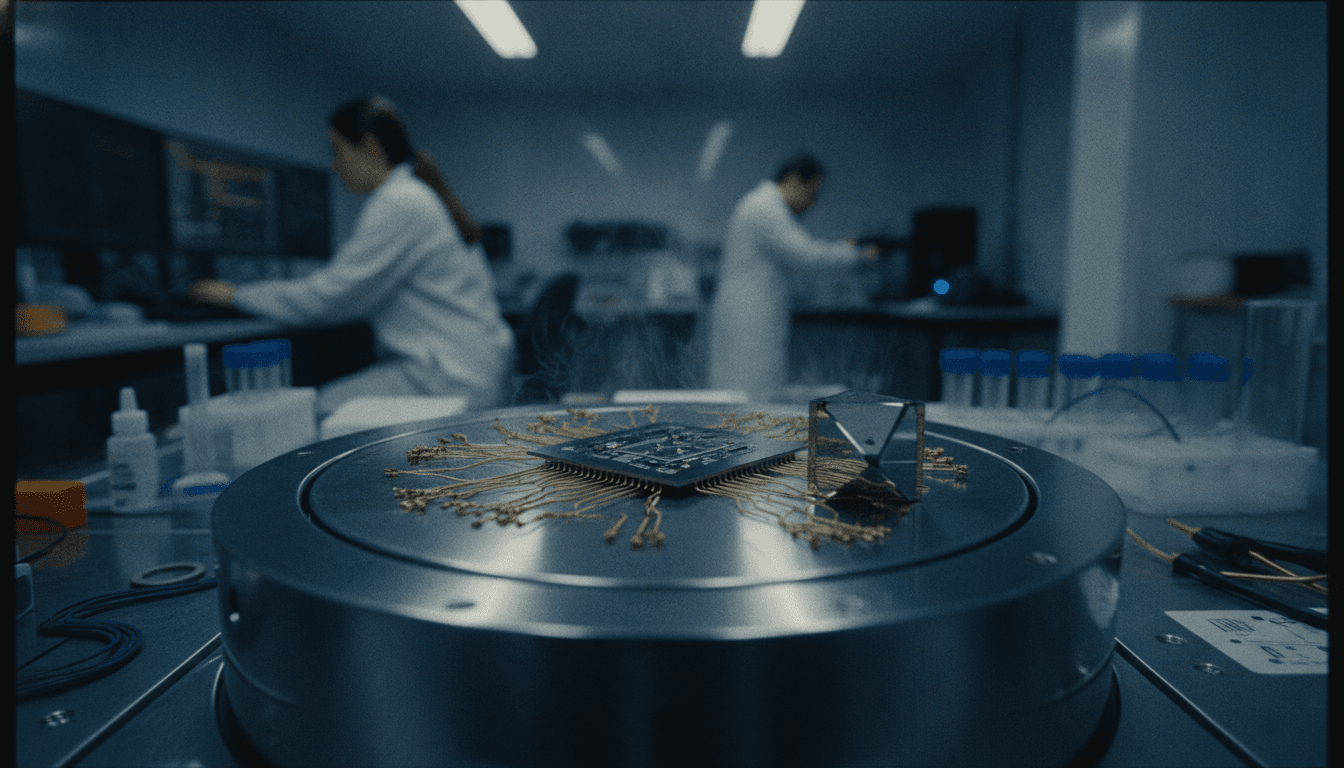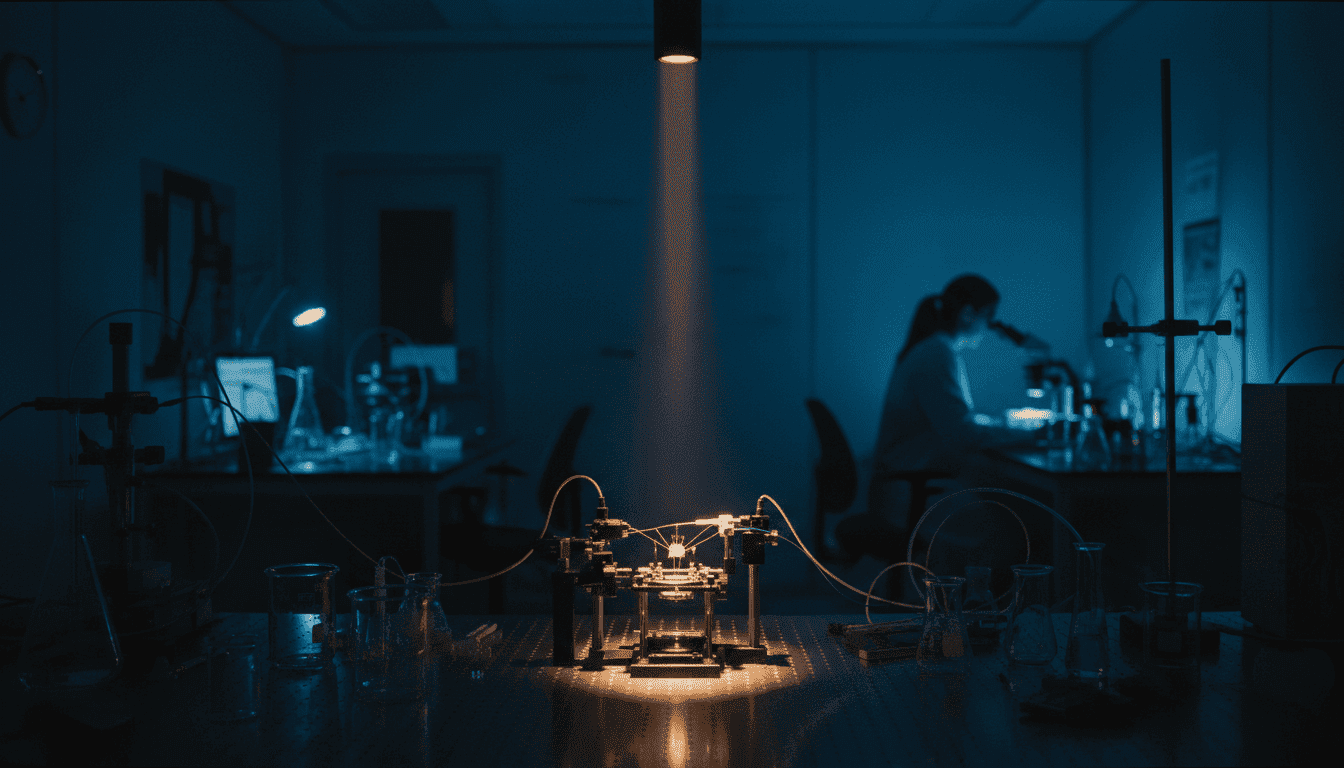
Groundbreaking quantum materials research is solidifying Leiden University’s historic position at the forefront of physics, building on a legacy that stretches back to the pioneering work with liquid helium. The institution, renowned for its foundational contributions to low-temperature physics, is now charting new territories in the complex world of quantum phenomena, a journey highlighted in a recent announcement from the university on Thursday, April 9, 2026. This evolution from fundamental cryogenics to advanced quantum states marks a significant pivot, demonstrating the enduring relevance and adaptability of Leiden’s scientific enterprise.
The Story: From Cryogenics to Quantum Frontiers
The narrative of physics at Leiden University is one of continuous innovation, beginning with the monumental achievement of liquefying helium. This feat, accomplished over a century ago, not only opened doors to understanding matter at extreme low temperatures but also laid the groundwork for entirely new fields of study. Today, the focus has shifted, but the spirit of exploration remains. Researchers at Leiden are deeply engaged in the study of quantum materials – substances exhibiting exotic electronic and magnetic properties due to quantum mechanical effects. This includes superconductors, topological insulators, and materials with emergent quantum phases, all of which hold immense promise for future technologies.
The current research thrust involves a multidisciplinary approach, combining expertise in experimental physics, theoretical modeling, and materials science. Scientists are leveraging sophisticated techniques to synthesize novel materials and probe their quantum behavior at atomic scales. This work is not merely academic; it has profound implications for developing next-generation electronics, energy solutions, and quantum computing – areas where the unique properties of these materials could unlock unprecedented capabilities.
“Leiden’s journey from mastering liquid helium to pioneering quantum materials exemplifies the dynamic nature of scientific inquiry and the relentless pursuit of understanding the fundamental laws of the universe.”
Impact Analysis: Reshaping Science and Space
The advancements in groundbreaking quantum materials at Leiden are poised to have a ripple effect across the broader science and space landscape. The development of materials with enhanced superconductivity, for instance, could revolutionize energy transmission, dramatically reducing power loss and enabling more efficient grids. In space exploration, lightweight and robust quantum materials could lead to more advanced sensors, propulsion systems, and radiation shielding, pushing the boundaries of what’s possible in extraterrestrial environments. Related science & space articles often highlight the critical need for materials innovation to achieve ambitious goals, and Leiden’s work directly addresses this.
Furthermore, the insights gained from studying these materials contribute directly to our fundamental understanding of quantum mechanics itself. By observing and manipulating quantum states in novel materials, physicists are refining theories and uncovering new principles that govern the universe at its most basic level. This fundamental knowledge is the bedrock upon which all future technological advancements are built, making Leiden’s contributions invaluable.
Context & Background: A Century of Discovery
Leiden University’s legacy in physics is steeped in historical significance. The liquefaction of helium in 1908 by Heike Kamerlingh Onnes was a defining moment, leading to the discovery of superconductivity and opening the field of cryogenics. This period established Leiden as a global hub for low-temperature physics. Over the decades, the institution has consistently attracted top talent and fostered an environment of groundbreaking research. The current emphasis on groundbreaking quantum materials is a natural evolution, building on this strong foundation while adapting to the contemporary challenges and opportunities in physics. The continuous investment in state-of-the-art facilities and intellectual capital ensures that Leiden remains a pivotal player in global scientific endeavors.
What’s Next: The Future of Quantum Exploration
Looking ahead, the research into groundbreaking quantum materials at Leiden promises a future rich with discovery and innovation. Upcoming decisions will likely focus on scaling up material synthesis capabilities and developing more sophisticated techniques for characterizing their properties. Predictions suggest that within the next decade, some of these materials could transition from laboratory curiosities to practical applications, particularly in areas like quantum computing and highly efficient electronics. The ongoing collaboration with international partners and industry will be crucial in accelerating this transition, ensuring that Leiden’s scientific breakthroughs translate into tangible societal benefits. The potential for discovering entirely new quantum phenomena also remains a significant driving force, pushing researchers to explore uncharted territories in condensed matter physics.
Key Takeaway: Leiden’s Enduring Scientific Leadership
The transition from liquid helium to groundbreaking quantum materials at Leiden University is more than just a shift in research focus; it’s a testament to the institution’s enduring commitment to scientific leadership and its capacity for reinvention. By continually pushing the boundaries of knowledge, Leiden not only honors its rich past but also actively shapes the future of physics, with implications that resonate across technology, energy, and our fundamental understanding of the cosmos.