Groundbreaking clean room microbes discovery at NASA’s spacecraft facility has unveiled 26 entirely new species of microorganisms, challenging long-held assumptions about sterility in environments critical for planetary protection. This stunning revelation, announced on Monday, April 13, 2026, by scientists investigating the very spaces designed to be pristine, raises profound questions about astrobiological contamination risks and the efficacy of current sterilization protocols.
The Unseen Inhabitants of NASA’s Pristine Spaces
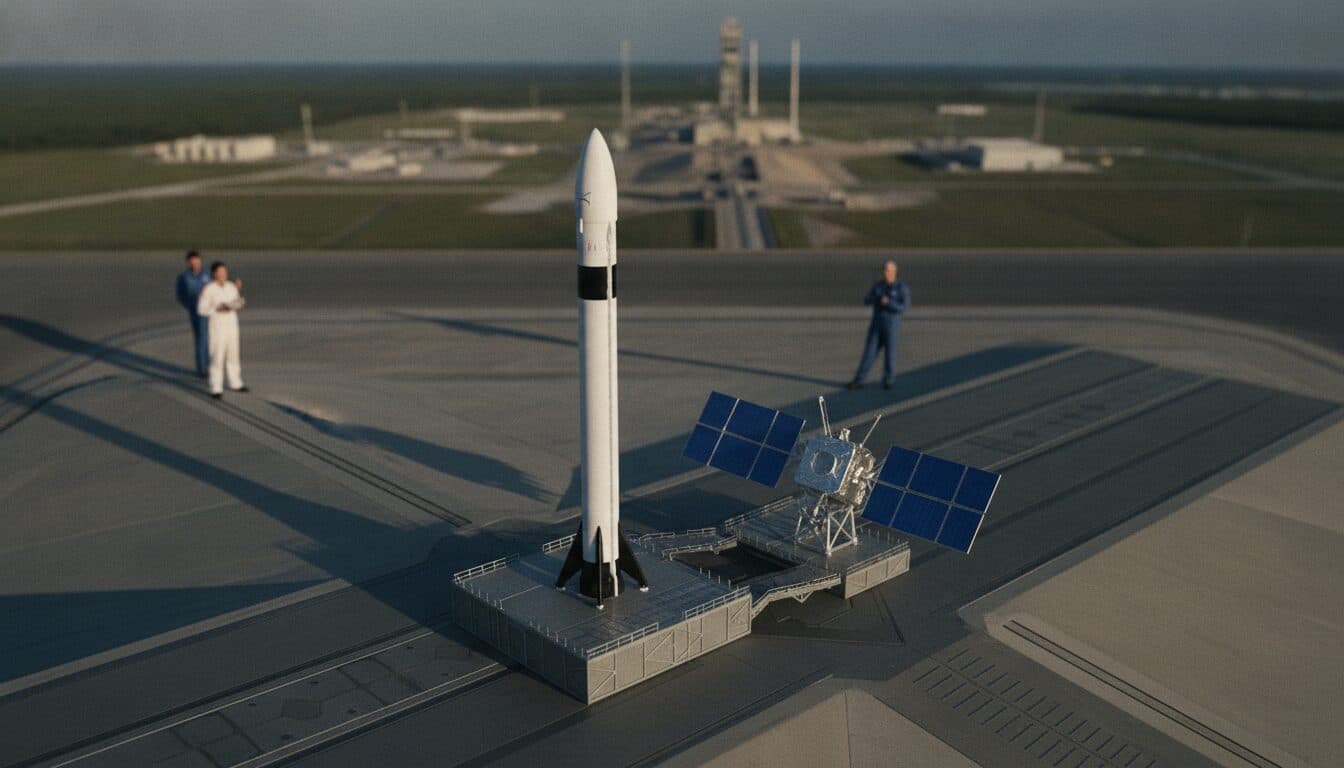
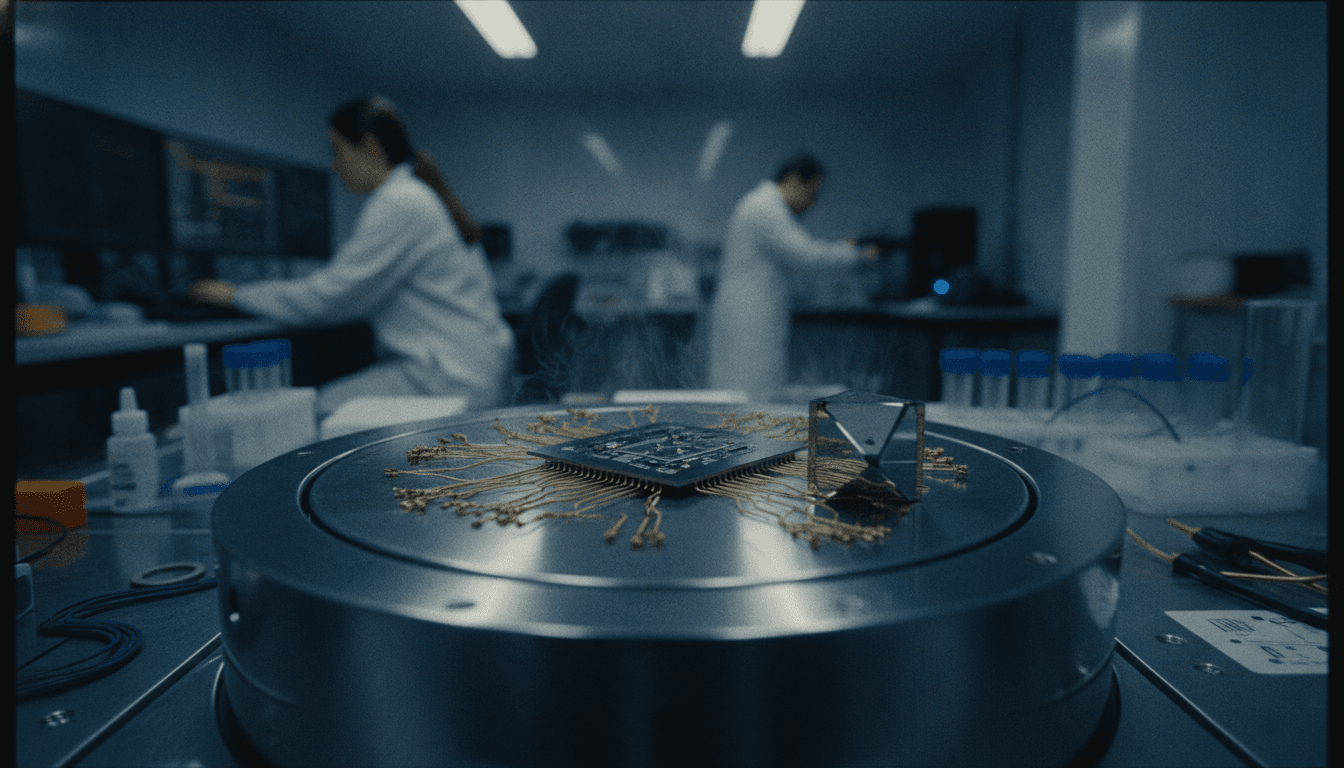
The discovery was made within a NASA spacecraft assembly facility, a location meticulously engineered to minimize biological contamination before missions depart for other celestial bodies. The research team, whose names were not specified in the initial report, identified these novel species during routine microbial monitoring. What makes this finding particularly significant is that these 26 new microbes have never before been cataloged, suggesting they possess unique adaptations allowing them to thrive in environments previously considered inhospitable to most known life forms. The implications for future space missions, especially those targeting potentially habitable worlds like Mars or Europa, are considerable.
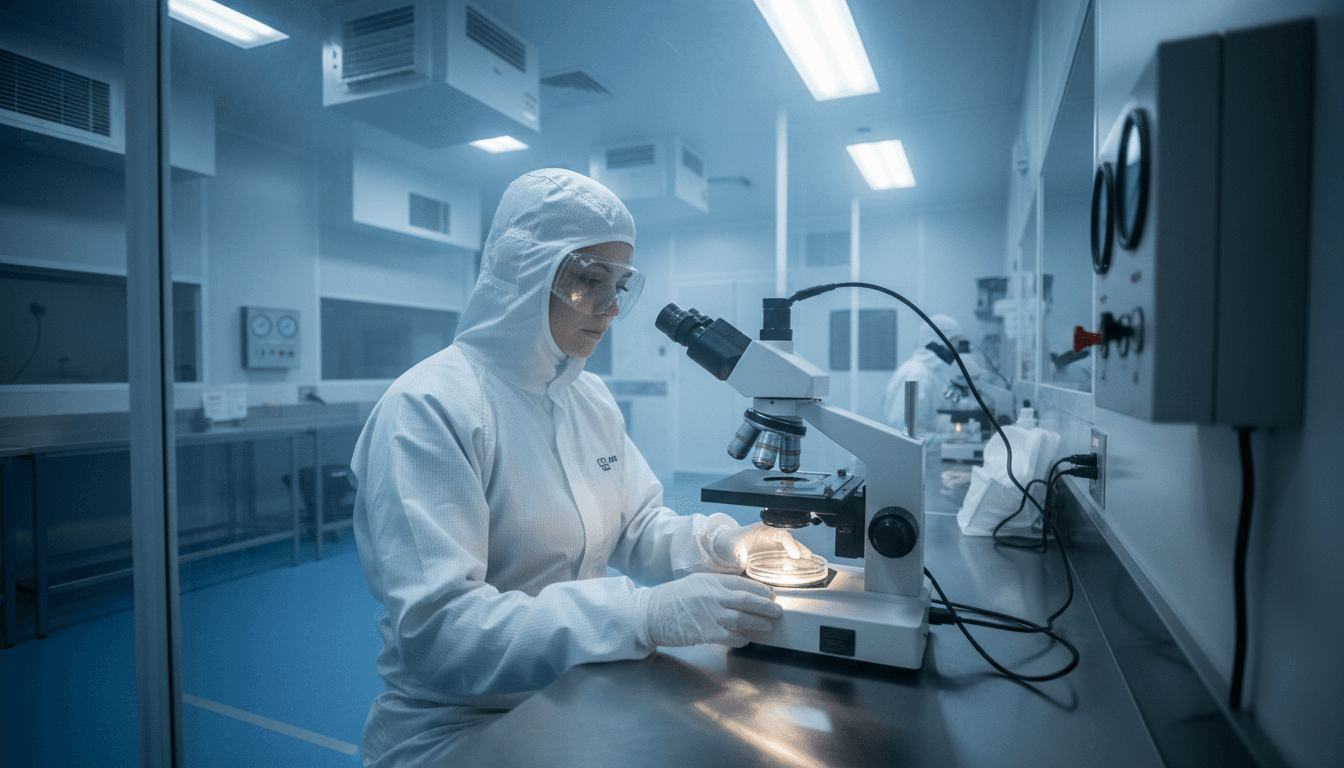
The stringent measures typically employed in these facilities – including advanced air filtration, sterile garment protocols, and chemical sanitization – aim to prevent Earth-based organisms from hitchhiking on spacecraft and potentially contaminating extraterrestrial environments. Yet, this groundbreaking clean room microbes investigation indicates that some life forms are far more resilient and adaptable than previously understood. The detailed analysis of these new species will undoubtedly provide crucial insights into extremophile biology and microbial survival strategies.
Impact Analysis
This discovery profoundly impacts the broader science and space landscape, particularly in the critical domain of planetary protection. NASA and other space agencies adhere to strict guidelines to prevent forward contamination – the transfer of Earth microbes to other planets – and backward contamination – the return of extraterrestrial microbes to Earth. The presence of these previously unknown organisms within such a controlled environment suggests that current sterilization methods might not be as universally effective as believed. This could necessitate a re-evaluation and potential overhaul of existing protocols, leading to more sophisticated and perhaps more expensive sterilization techniques for future missions.
Furthermore, the existence of these robust microbes could complicate the interpretation of astrobiological findings. If spacecraft carry unexpected Earth-based life forms, distinguishing between terrestrial contaminants and genuine extraterrestrial life could become even more challenging. This places a renewed emphasis on developing highly sensitive detection methods capable of identifying specific terrestrial ‘signatures’ versus potential alien biosignatures. Related science & space articles have often discussed the fine line between discovery and contamination, and this news brings that discussion to the forefront.
“The discovery forces us to confront the inherent limitations of our ‘clean’ environments and pushes the boundaries of what we understand about microbial resilience in extreme, human-made conditions.”
Context & Background
The concept of planetary protection dates back to the early days of the space age, driven by concerns that early missions could either destroy potential alien life or introduce Earth pathogens to pristine environments. NASA, in conjunction with international bodies like the Committee on Space Research (COSPAR), has developed a tiered system of planetary protection categories, with the most stringent applying to missions visiting bodies with high astrobiological potential. Facilities like the one where these groundbreaking clean room microbes were found are designed to meet these exacting standards.
Previous incidents, though less dramatic, have also highlighted the persistence of microbes in unexpected places. Studies have shown certain bacteria can survive in spacecraft assembly facilities despite rigorous cleaning, often adapting to low-nutrient, dry, and radiation-exposed conditions. However, the identification of 26 entirely new species represents a significant leap in understanding the microbial ‘dark matter’ that might be lurking in our most controlled environments.
What’s Next
The immediate next steps will involve extensive characterization of these newly discovered microbes. Scientists will focus on understanding their genetic makeup, metabolic pathways, and survival mechanisms. This research will be critical in developing more targeted and effective sterilization strategies. NASA will likely initiate a comprehensive review of its planetary protection policies and facility protocols, potentially leading to new guidelines for spacecraft assembly and launch preparation. There may also be increased collaboration with microbiologists and extremophile experts to better predict and mitigate contamination risks.
Looking further ahead, this finding could spur innovation in materials science, leading to the development of new self-sterilizing surfaces or advanced antimicrobial coatings for spacecraft components. The long-term implications could even extend to reconsidering the design of future planetary probes, incorporating features that actively prevent the proliferation of even the most resilient terrestrial organisms. Decisions made in the coming months will shape the trajectory of planetary exploration for decades to come, particularly as ambitious missions to ocean worlds like Europa and Enceladus gain momentum.
Key Takeaway
This groundbreaking clean room microbes discovery at a NASA spacecraft facility is more than just a scientific curiosity; it is a critical wake-up call for the entire space community. It underscores the extraordinary adaptability of life and the immense challenges involved in ensuring truly pristine conditions for interplanetary missions. The implications ripple across astrobiology, planetary protection, and even the fundamental understanding of life’s limits, forcing a re-evaluation of our strategies as humanity ventures further into the cosmos. The unseen world within our ‘clean’ rooms holds vital lessons for our quest to find life beyond Earth.