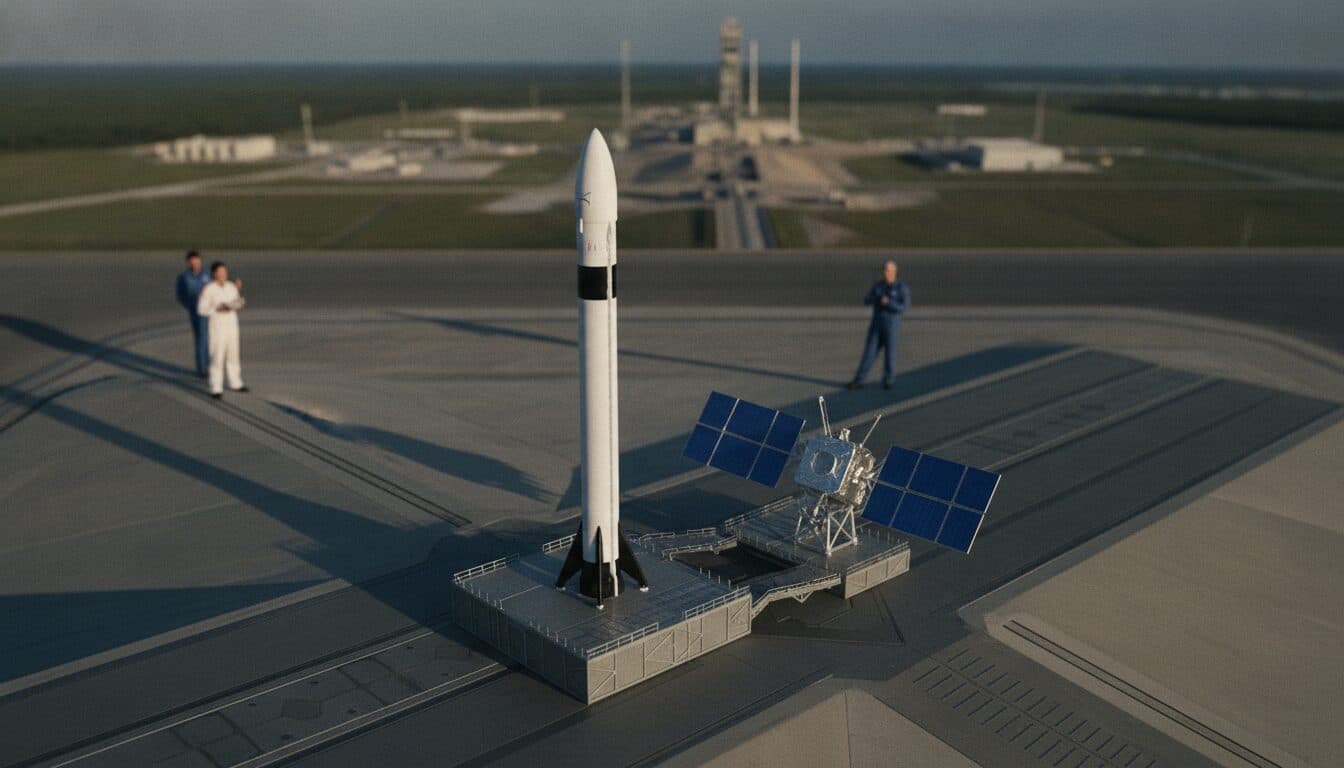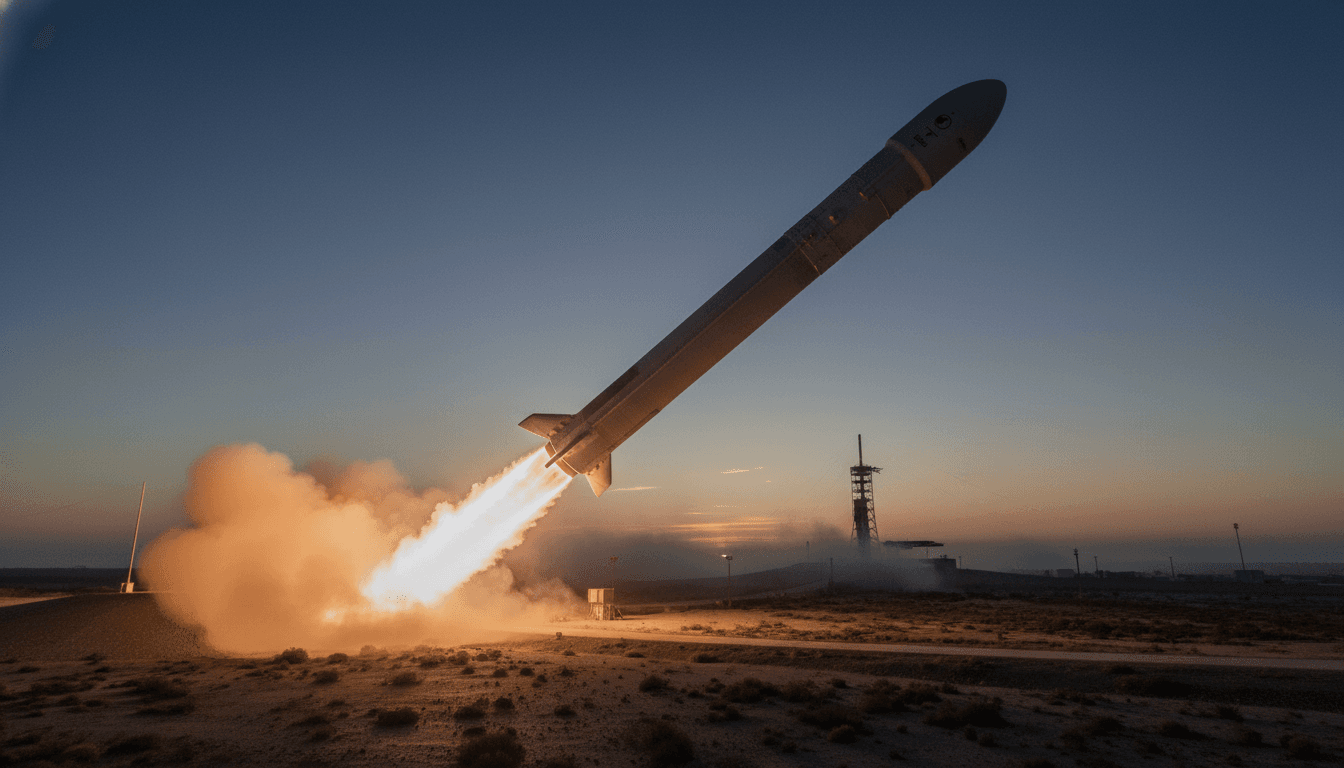
A landmark Falcon 9 GPS launch occurred on Friday, April 10, 2026, as SpaceX successfully deployed the GPS-III SV09 satellite. This mission, designated T601sVGQCR, marks another significant stride in bolstering the United States’ critical navigation infrastructure and solidifying SpaceX’s role as a pivotal partner in national security space operations.
The Mission: GPS-III SV09 Deployment
The successful deployment of GPS-III SV09 represents a crucial advancement for the Global Positioning System constellation. While specific details of the payload’s enhanced capabilities are often classified, each new GPS-III satellite is known to bring improved accuracy, enhanced anti-jamming capabilities, and a new civilian signal (L1C) compatible with other global navigation satellite systems. The mission was executed by SpaceX using its workhorse Falcon 9 rocket, a testament to the vehicle’s reliability and cost-effectiveness in delivering vital national assets to orbit.
The launch, reported by Mshale, underscores the ongoing collaboration between the U.S. Space Force and commercial launch providers. This partnership has become a cornerstone of America’s space strategy, ensuring consistent access to space for critical national security payloads. The Falcon 9 GPS launch on April 10, 2026, adds to a growing catalog of successful missions that have steadily upgraded the GPS constellation, a system integral to military operations, civil aviation, maritime navigation, and countless everyday applications globally.
Impact Analysis
The successful Falcon 9 GPS launch has profound implications for global navigation and national security. The GPS-III satellites are designed for a longer operational lifespan and offer greater resilience against potential threats, enhancing the robustness of a system that underpins trillions of dollars in global economic activity. For the U.S. military, improved accuracy and anti-jamming features translate directly into more effective operations and enhanced battlefield awareness.
“The consistent upgrade of the GPS constellation through missions like the Falcon 9 GPS launch is not just about technological advancement; it’s about maintaining a strategic advantage and ensuring the uninterrupted flow of critical data that powers modern society.”
Beyond military applications, the enhanced civilian signal (L1C) will foster greater interoperability with systems like Europe’s Galileo and Japan’s QZSS, benefiting industries from agriculture to logistics. This interoperability is crucial for developing next-generation navigation technologies and services worldwide. For more insights into the broader implications of satellite deployments, see our recent coverage on satellite internet constellations.
Context & Background
The journey to modern GPS capabilities has been decades in the making. The first GPS satellite was launched in 1978, and the system became fully operational in 1995. The GPS-III program represents the third generation of these vital satellites, designed to address the evolving demands of a connected world and increasingly sophisticated threats. SpaceX’s involvement in these launches began in 2020, breaking a long-standing monopoly in national security space launches and injecting much-needed competition and innovation into the sector.
This mission follows a trend of increasing reliance on commercial space companies for government and military payloads. The U.S. Space Force has actively diversified its launch providers to ensure mission assurance and drive down costs, a strategy that has proven highly effective. The consistent performance of the Falcon 9, particularly in high-stakes missions like this Falcon 9 GPS launch, has cemented its status as a reliable platform for critical national assets. This approach aligns with broader industry trends towards commercialization and privatization of space, explored further in our analysis of the commercial space race.
What’s Next
Looking ahead, the deployment of GPS-III SV09 is part of a larger ongoing modernization effort. Several more GPS-III satellites are slated for launch in the coming years, further enhancing the constellation’s capabilities and resilience. The U.S. Space Force will continue to leverage commercial partners for these critical missions, fostering a competitive environment that benefits both national security and the broader space industry.
Beyond the GPS-III series, future generations of navigation satellites are already in various stages of planning and development, promising even more advanced features. The focus will likely remain on improving signal strength, accuracy in challenging environments, and resistance to interference, ensuring that GPS remains the gold standard for global navigation well into the future. The successful Falcon 9 GPS launch provides a solid foundation for these upcoming advancements.
Key Takeaway
The successful Falcon 9 GPS launch of SV09 on April 10, 2026, is more than just another rocket launch; it is a critical investment in the foundational infrastructure of the modern world. It reinforces the U.S.’s commitment to maintaining a robust and resilient satellite navigation system, crucial for both national security and global commerce. As technology advances and geopolitical landscapes shift, the reliable deployment of these vital assets by commercial partners like SpaceX will continue to be a cornerstone of strategic advantage and global stability.