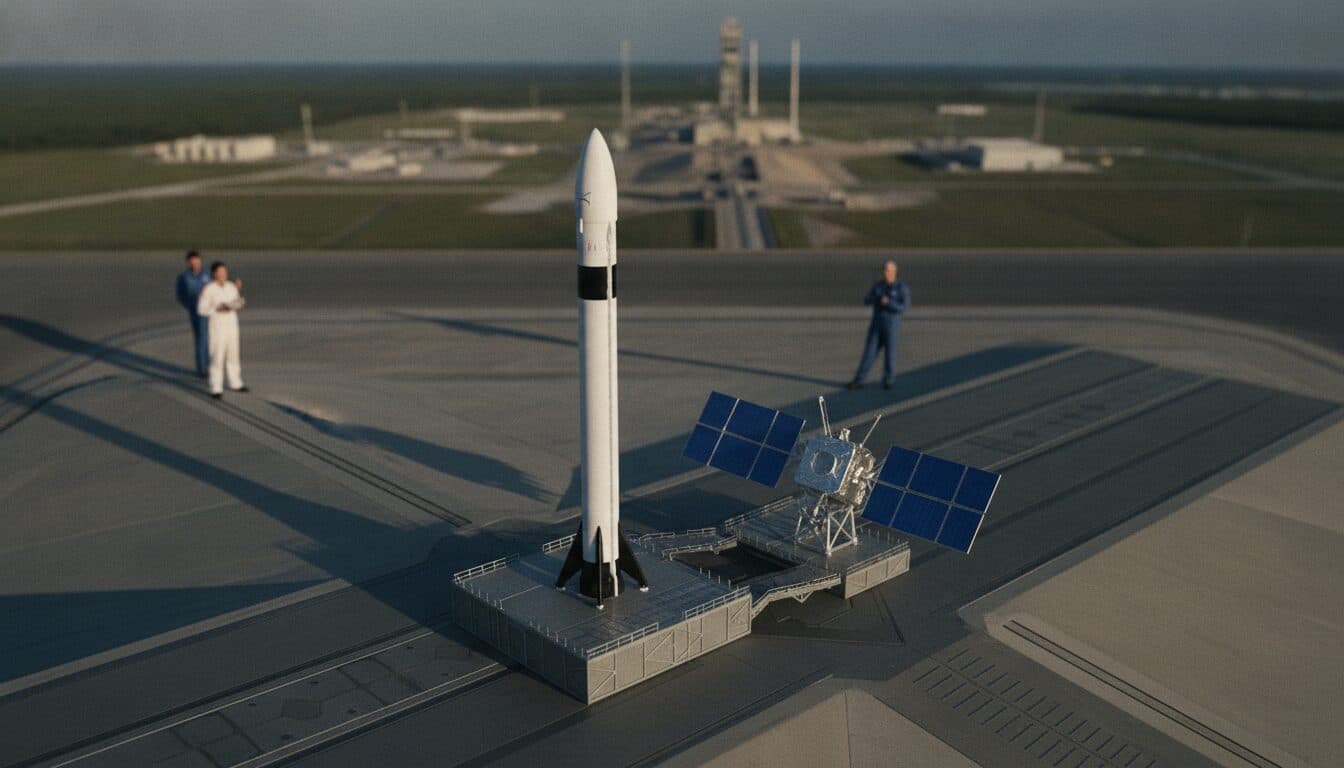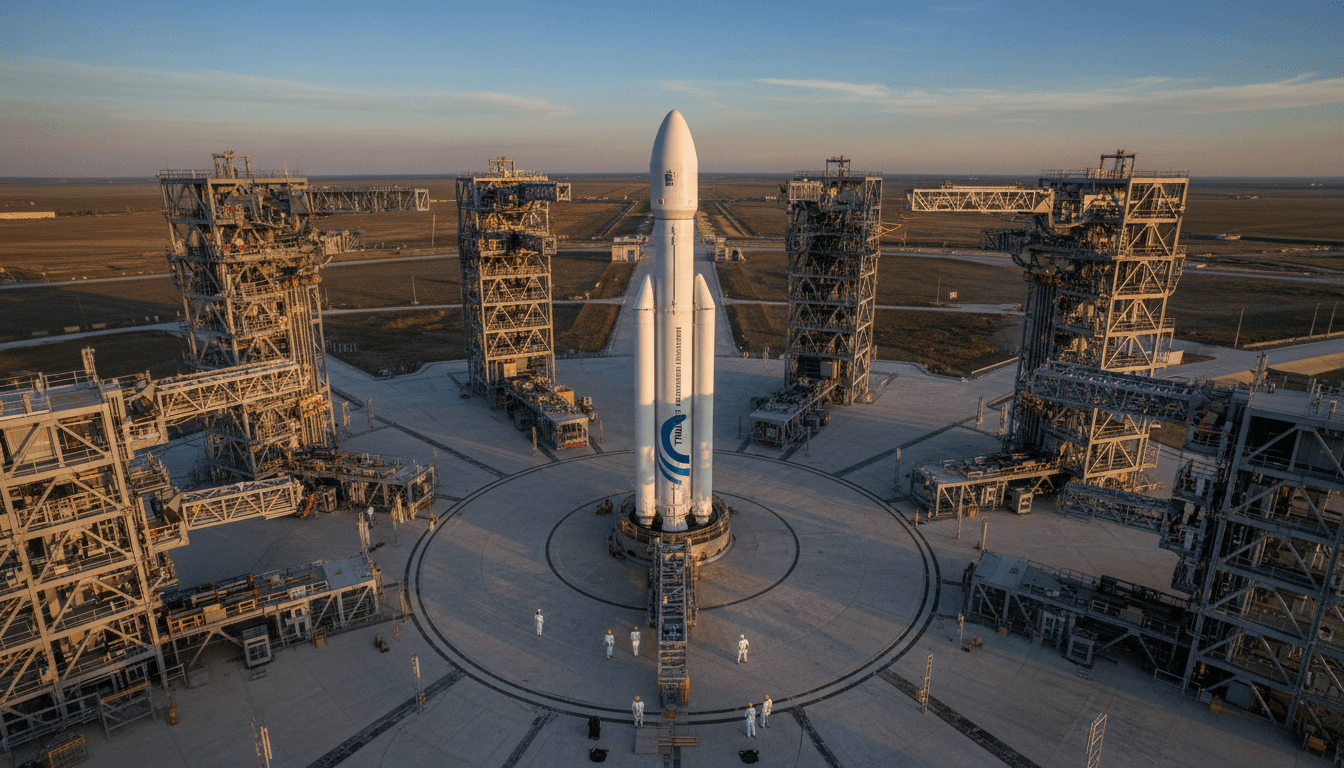
Europe’s first reusable spacecraft is preparing for launch, marking a significant stride in the continent’s ambitions for more sustainable and cost-effective space exploration. This development, slated for Friday, May 8, 2026, positions Europe to potentially redefine its role in the global space race, moving beyond expendable rockets and toward a future where space access is both more frequent and economically viable.
The Mission: Europe’s First Reusable Spacecraft
The impending launch of Europe’s first reusable spacecraft represents a pivotal moment for the European Space Agency (ESA) and its partners. While specific details regarding the spacecraft’s name or its primary mission objectives beyond reusability were not disclosed in the initial report, the mere preparation for such a launch signals a mature stage in its development. The emphasis on reusability directly addresses one of the most significant cost drivers in spaceflight: the expense of manufacturing new launch vehicles and spacecraft for each mission. By recovering and refurbishing components, the operational costs of accessing space can be dramatically reduced, opening doors for more frequent launches and a wider array of scientific and commercial endeavors.
The project likely involves extensive engineering challenges, from developing robust heat shields capable of enduring atmospheric re-entry multiple times to perfecting precision landing systems. The successful deployment and recovery of this spacecraft would validate years of research and investment, establishing Europe as a formidable contender alongside nations already operating reusable space systems.
Impact Analysis: A New Era for European Space
The launch of Europe’s first reusable spacecraft will undoubtedly have a profound impact on the broader science and space landscape. Economically, it promises to lower the barrier to entry for various space-related activities, from satellite deployment to in-orbit servicing and even future human spaceflight missions. This cost reduction could stimulate growth in Europe’s commercial space sector, fostering innovation and creating new opportunities for businesses and researchers alike. For instance, smaller companies and academic institutions might find it more feasible to send their payloads into orbit, accelerating scientific discovery and technological advancement. Related science & space articles have long highlighted the financial hurdles in space exploration, and reusability offers a tangible solution.
“The move towards reusability is not just an engineering feat; it’s a strategic economic imperative that will reshape Europe’s competitive standing in the global space market.”
Strategically, this capability enhances Europe’s autonomy in space. Relying less on external partners for launch services strengthens its independent access to orbit, which is crucial for national security, scientific research, and maintaining geopolitical influence. Environmentally, reusable systems generally lead to less waste, as fewer components are discarded after each mission, aligning with growing global initiatives for sustainability.
Context & Background: The Global Reusability Race
The concept of reusable spacecraft is not new, but its widespread adoption has been a more recent phenomenon, largely pioneered by private entities and national space agencies over the past decade. Companies like SpaceX have demonstrated the immense cost-saving potential and operational flexibility that reusable rockets and spacecraft offer. This global trend has put pressure on all major spacefaring entities to adapt and innovate. Europe, through ESA, has been actively pursuing various initiatives to enhance its space capabilities, including the development of advanced launchers and satellite technologies. This particular reusable spacecraft project likely represents the culmination of years of theoretical work, scaled-down prototypes, and extensive testing, positioning Europe to catch up with and potentially contribute new innovations to the reusability paradigm. The preparation for Europe’s first reusable spacecraft launch signifies a clear strategic shift.
What’s Next: Operationalizing Reusability
Following the launch and, crucially, the successful recovery of Europe’s first reusable spacecraft, the immediate next steps will involve rigorous post-flight analysis and validation. Engineers will meticulously inspect the recovered vehicle for wear and tear, gather data on its performance during re-entry and landing, and identify areas for improvement. The ultimate goal will be to establish a reliable and efficient turnaround process, minimizing the time and cost between missions. This will involve developing robust maintenance protocols, refining refurbishment techniques, and potentially scaling up production for a fleet of reusable vehicles. Future implications include the potential for Europe to offer competitive launch services to international clients, further solidifying its position in the commercial space market. Decisions will need to be made regarding the operational cadence and the specific types of missions best suited for this new reusable capability.
Key Takeaway: Securing Europe’s Space Future
The preparation for the launch of Europe’s first reusable spacecraft on May 8, 2026, is more than just another mission; it is a declaration of intent. It underscores Europe’s commitment to innovation, economic efficiency, and strategic independence in the increasingly competitive domain of space. This endeavor promises to unlock new possibilities for scientific discovery, commercial ventures, and geopolitical influence, ensuring that Europe remains a vital player in shaping humanity’s future beyond Earth.