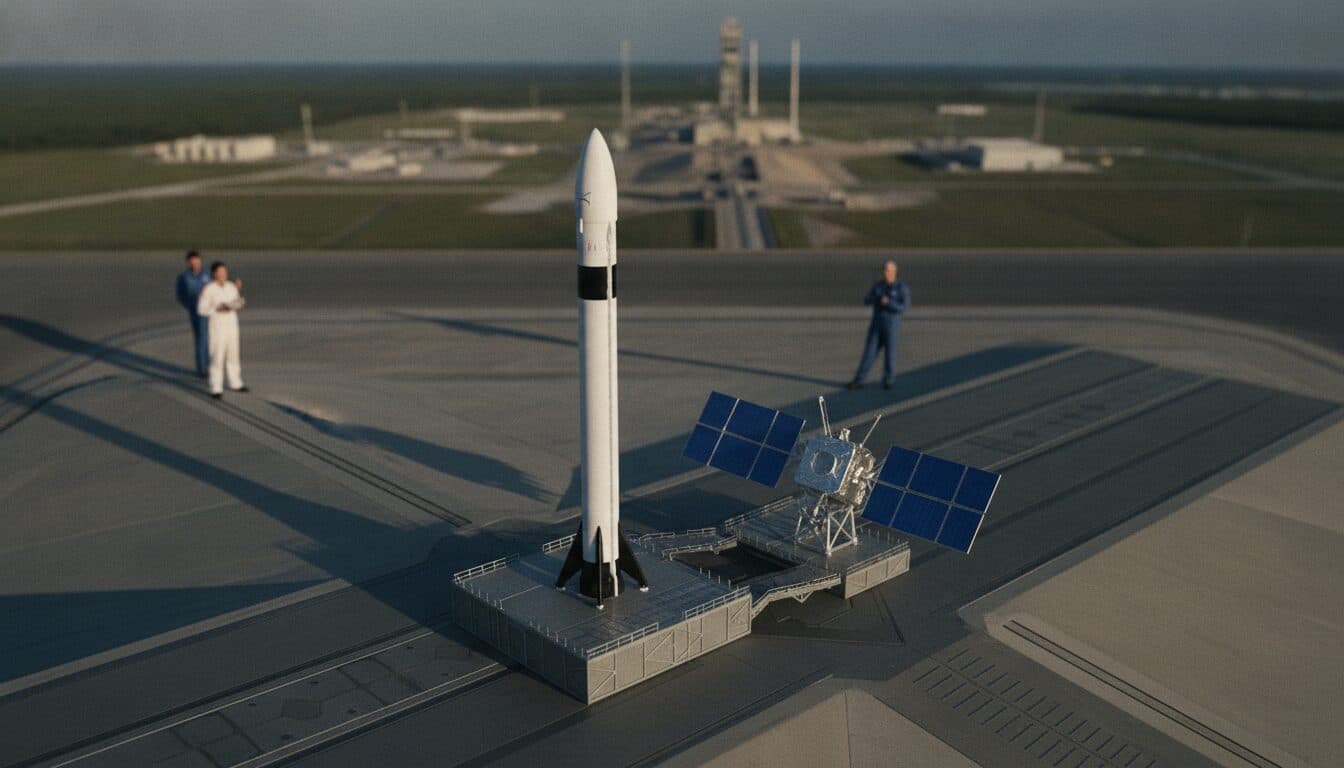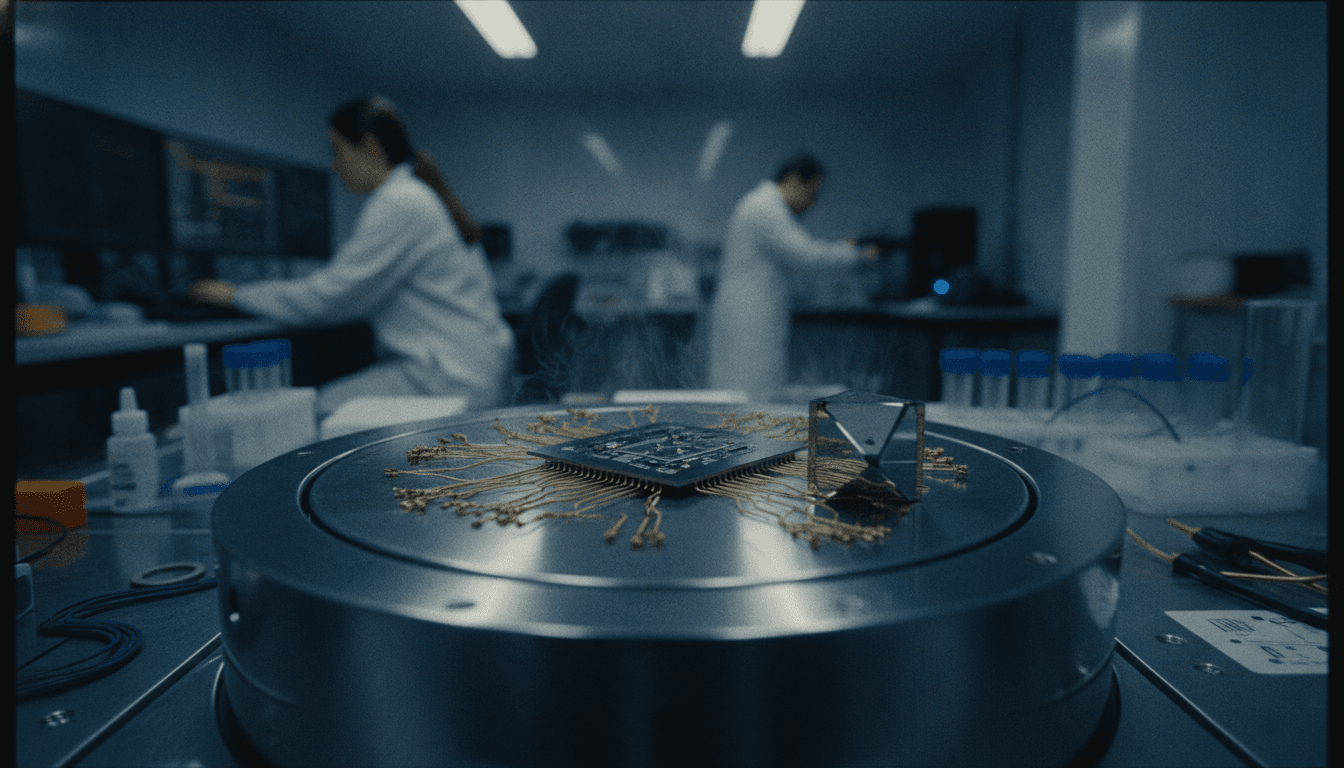
Cutting-edge science equipment for space research has reached the International Space Station (ISS), signaling a significant leap forward for orbital experiments. On Wednesday, April 15, 2026, Expedition 74 successfully unpacked the Cygnus XL cargo spacecraft, meticulously transferring an array of advanced instruments designed to push the boundaries of scientific discovery in microgravity. This delivery is poised to enable a new generation of studies, from material science to human physiology, promising insights with terrestrial applications.
The arrival of the Cygnus XL, a workhorse in resupplying the orbiting laboratory, marks a critical juncture for the ongoing research agenda of Expedition 74. Astronauts methodically retrieved and installed the sophisticated payloads, each representing years of development and planning by international scientific consortia. While specific experiments were not detailed, the nature of the delivery suggests a broad spectrum of investigations, vital for understanding long-duration spaceflight and the fundamental properties of matter in an extraterrestrial environment. The successful unpacking ensures that the crew can swiftly transition to activating and operating these new tools, maximizing their operational time in orbit.
Impact Analysis
The regular influx of advanced tools via missions like the Cygnus XL is fundamental to the ISS’s role as a premier microgravity laboratory. This particular delivery of cutting-edge science equipment significantly expands the scope and complexity of experiments possible aboard the station. It underscores a commitment by space agencies and private partners to continually upgrade the station’s research capabilities, ensuring it remains at the forefront of scientific exploration. The data gleaned from these new experiments will not only inform future deep-space missions but also yield tangible benefits on Earth, particularly in areas such as advanced materials development, pharmaceutical research, and understanding complex biological processes.
The continuous improvement of research infrastructure on the ISS is a testament to the collaborative spirit of international space exploration. Each new piece of equipment brought aboard through missions like Cygnus XL enhances our collective ability to address pressing scientific questions. This iterative process of delivery and experimentation is crucial for translating theoretical concepts into practical knowledge, pushing the frontiers of what is understood about life and physics beyond Earth’s atmosphere. For more on orbital research, see our related science & space articles.
Cutting-Edge Science Equipment Elevates Research
The integration of this new cutting-edge science equipment into the ISS ecosystem is not merely an incremental upgrade; it represents a strategic investment in the future of space research. These instruments are often designed to perform tasks previously impossible or impractical in orbit, offering higher precision, greater data throughput, or entirely new experimental methodologies. For instance, new biological research platforms could accelerate drug discovery by observing cellular responses in microgravity without gravitational interference, while advanced material science apparatuses could pave the way for revolutionary alloys and composites.
“The continuous refresh and upgrade of the ISS’s scientific toolkit are paramount to its enduring utility as a research platform. Each new delivery opens doors to discoveries previously beyond our reach.”
Context & Background
The Cygnus XL’s mission is part of a well-established cadence of resupply flights to the ISS, operated by commercial partners under contract with NASA. These missions are critical for maintaining the station’s operational status, delivering not only scientific payloads but also essential supplies for the crew. The transition to commercial resupply vehicles like the Cygnus series, developed by Northrop Grumman, has been a key trend in space logistics over the past decade, allowing government agencies to focus resources on exploration and fundamental research. This partnership model ensures a steady flow of resources, including vital cutting-edge science equipment, to the orbiting laboratory, sustaining its ambitious research agenda.
What’s Next
Following the successful unpacking, the immediate next steps for Expedition 74 involve the calibration and activation of the newly arrived cutting-edge science equipment. Researchers on Earth will be eagerly anticipating the first data streams from these new instruments, which will inform subsequent experiment phases and potentially lead to new research proposals. The insights gained from these experiments will be crucial for planning future long-duration missions to the Moon and Mars, particularly concerning crew health and the development of self-sustaining extraterrestrial habitats. The continued operation and maintenance of these advanced instruments will be a key focus for the Expedition 74 crew in the coming months.
Key Takeaway
The successful delivery and unpacking of cutting-edge science equipment by Expedition 74 via the Cygnus XL spacecraft underscore the dynamic and evolving nature of space research. This ongoing commitment to equipping the International Space Station with the latest technological tools ensures that humanity continues to push the boundaries of knowledge, yielding both fundamental scientific breakthroughs and practical innovations that benefit life on Earth. The continuous flow of advanced instruments through commercial resupply missions solidifies the ISS’s position as an indispensable global laboratory, propelling us towards a deeper understanding of our universe and our place within it.