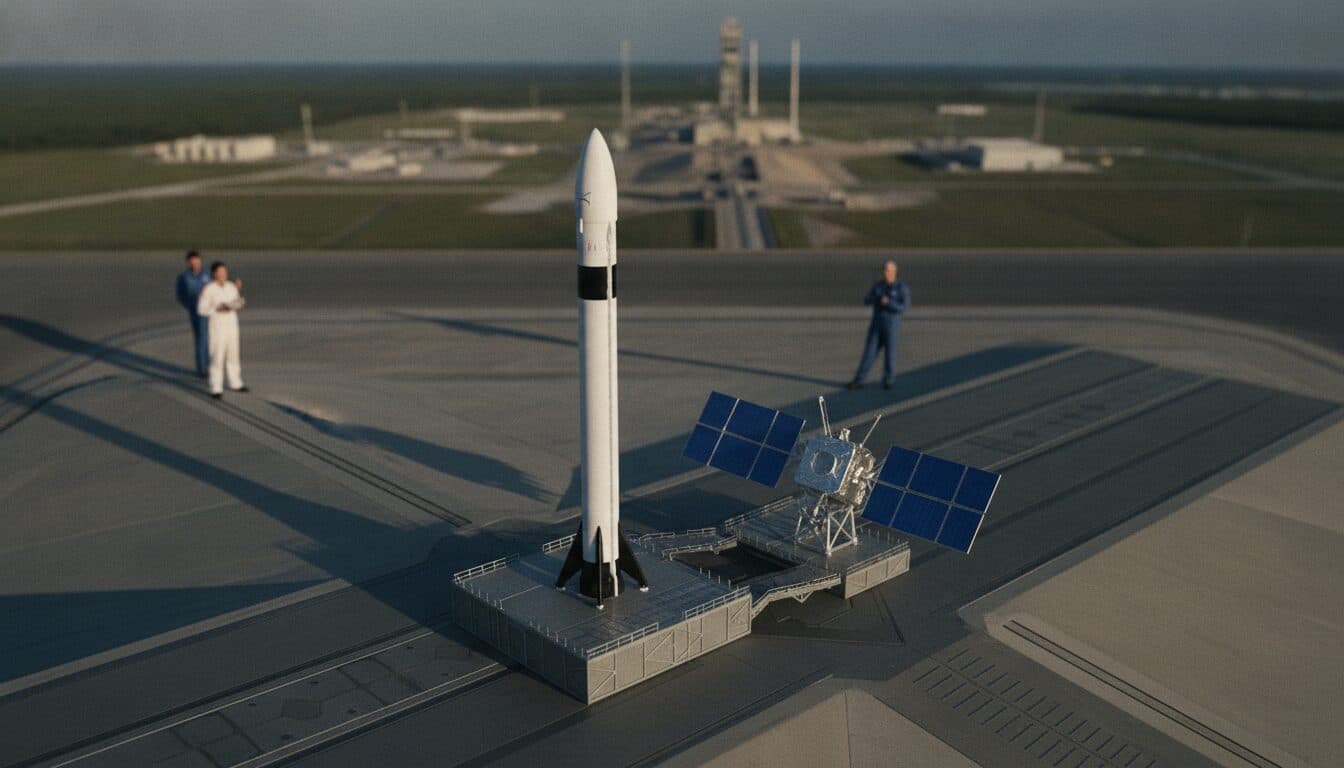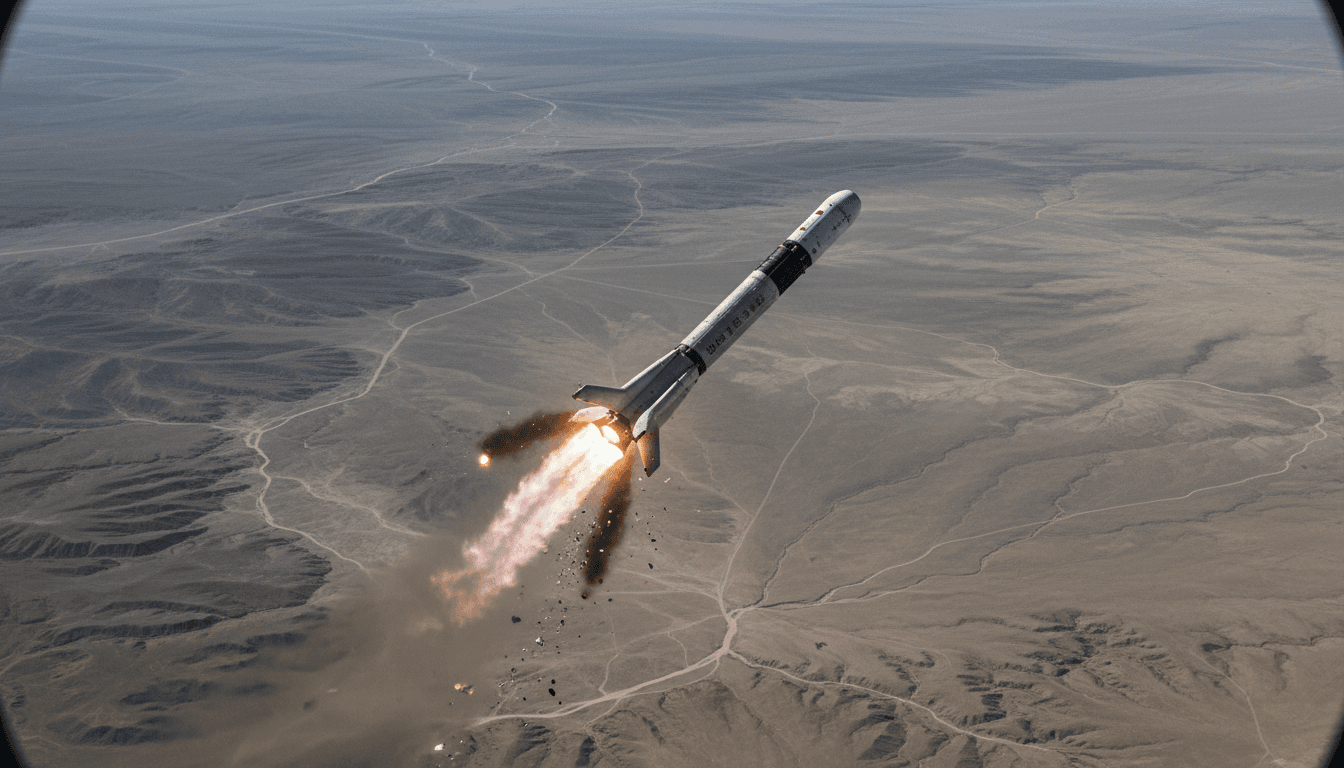
China rocket reuse system efforts have reportedly suffered a significant setback, with a recent attempt to replicate SpaceX’s successful reusability technology ending in failure. This development, revealed by Fathom Journal on Saturday, May 9, 2026, casts a shadow over Beijing’s ambitious space agenda and its aspirations to become a dominant force in commercial spaceflight, particularly concerning the cost-efficiency afforded by reusable launch vehicles.
The Story: A Setback for China’s Space Ambitions
While specific details regarding the failed attempt remain sparse in the Fathom Journal report, the core narrative indicates a critical misstep in China’s drive to master rocket reusability. The report, titled “China’s Desperate Attempt To Copy SpaceX Rocket REUSE System, But FAILED… (6k0nsd1dKq),” strongly implies that the incident involved a test aimed at demonstrating controlled vertical landing and recovery of a rocket booster, a hallmark of SpaceX’s Falcon 9 and Starship systems. The lack of success in this critical maneuver represents a significant technical hurdle for China’s burgeoning private and state-owned aerospace sectors, which have been heavily investing in technologies to reduce launch costs and increase mission frequency.
The incident underscores the immense engineering challenges inherent in achieving reliable rocket reusability. Beyond the sheer power required for launch, controlled descent and precision landing demand sophisticated guidance systems, robust engine throttling capabilities, and advanced structural integrity to withstand re-entry and landing stresses. The failure suggests that China is still grappling with one or more of these complex interdependencies.
Impact Analysis
The failure of China’s attempt to master a rocket reuse system carries significant implications for the global space industry. For China, it represents a potential delay in its timeline for achieving cost-competitive access to space. SpaceX’s reusability has dramatically driven down launch costs, making a wide array of missions, from mega-constellation deployments to lunar cargo deliveries, more economically viable. Without a comparable capability, China’s launch services may struggle to compete on price in the international market.
“This setback highlights the profound engineering and operational expertise required to achieve reliable rocket reusability, a domain where SpaceX has established a considerable lead.”
Globally, this news could temporarily ease concerns among Western space agencies and companies about China’s accelerating pace in space technology. However, it is unlikely to deter Beijing’s long-term ambitions. Instead, it may prompt a re-evaluation of strategies and an intensification of efforts, potentially leading to increased investment in research and development or a more aggressive timeline for future tests.
Context & Background
The pursuit of rocket reusability is a defining trend in 21st-century spaceflight. SpaceX, under Elon Musk, pioneered and perfected the vertical landing of orbital-class boosters with its Falcon 9 rocket, revolutionizing launch economics. This success has spurred a global race, with national space agencies and private companies alike striving to replicate or innovate upon this model. Blue Origin, with its New Glenn rocket, and various European ventures are also developing reusable systems.
China has openly expressed its desire to emulate and surpass these capabilities. State-owned entities like CASC (China Aerospace Science and Technology Corporation) and emerging private firms have showcased concepts and prototypes for reusable rockets, often bearing striking resemblances to SpaceX’s designs. The reported failure on May 9, 2026, suggests that while the conceptual understanding may be present, the practical execution of a reliable rocket reuse system remains elusive. China’s space program has achieved significant milestones recently, including lunar sample returns and the construction of its Tiangong space station, but mastering reusability is a distinct and formidable challenge.
What’s Next
Looking ahead, China will undoubtedly redouble its efforts to achieve a functional rocket reuse system. This failure is likely a temporary setback rather than a definitive end to their ambitions. Future developments could include more rigorous ground testing, iterative design improvements, and potentially, further unannounced flight tests. The pressure to succeed will be immense, given the strategic importance of space to China’s economic and geopolitical objectives. We can expect China to continue its aggressive investment in space infrastructure and technology, viewing reusability as a critical component of its long-term strategy for space dominance.
Key Takeaway
The reported failure of China’s attempt to copy a rocket reuse system serves as a stark reminder of the immense technical complexity and significant investment required to achieve reliable and routine space launch reusability. While China’s broader space program continues to advance, this incident underscores that even with substantial resources and political will, replicating cutting-edge aerospace technology is an arduous process. The global space industry will be watching closely to see how China adapts its strategy and when it will next attempt to demonstrate this pivotal capability, which is increasingly becoming a prerequisite for competitive space access.