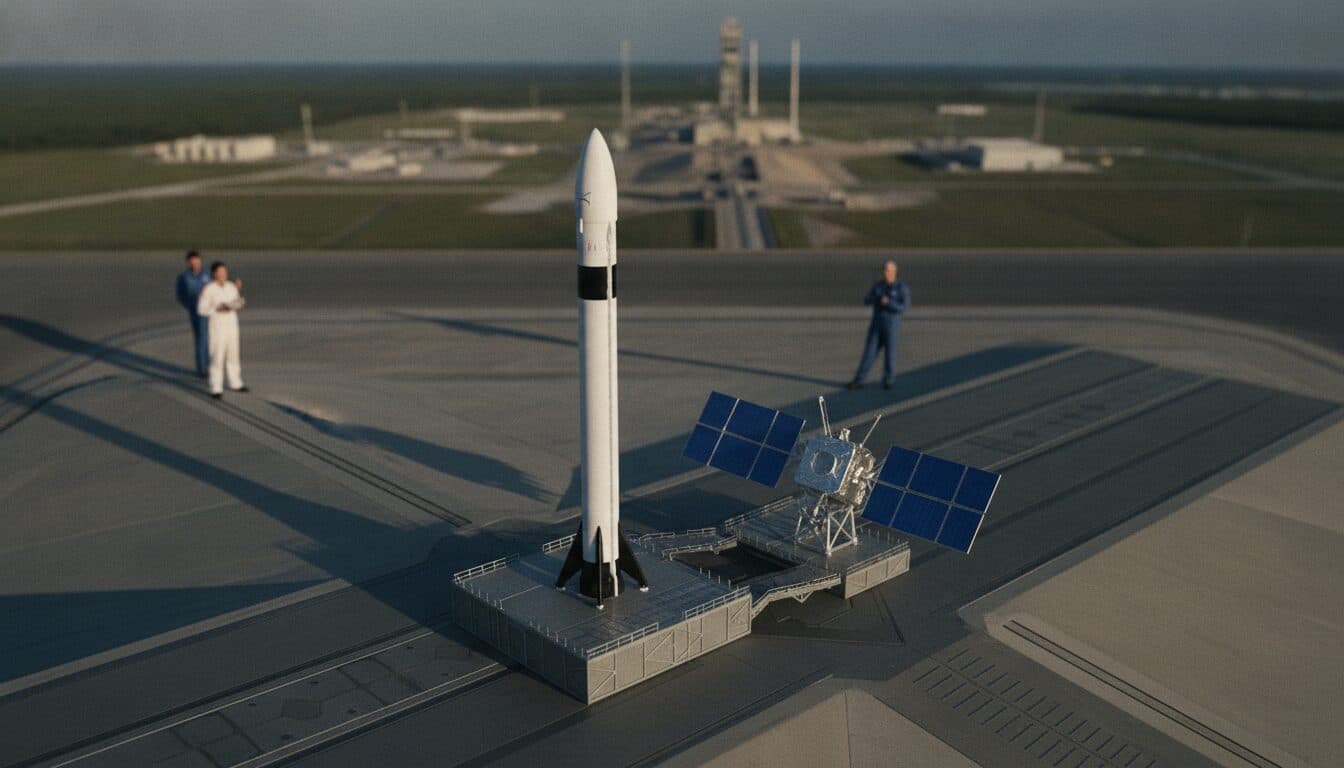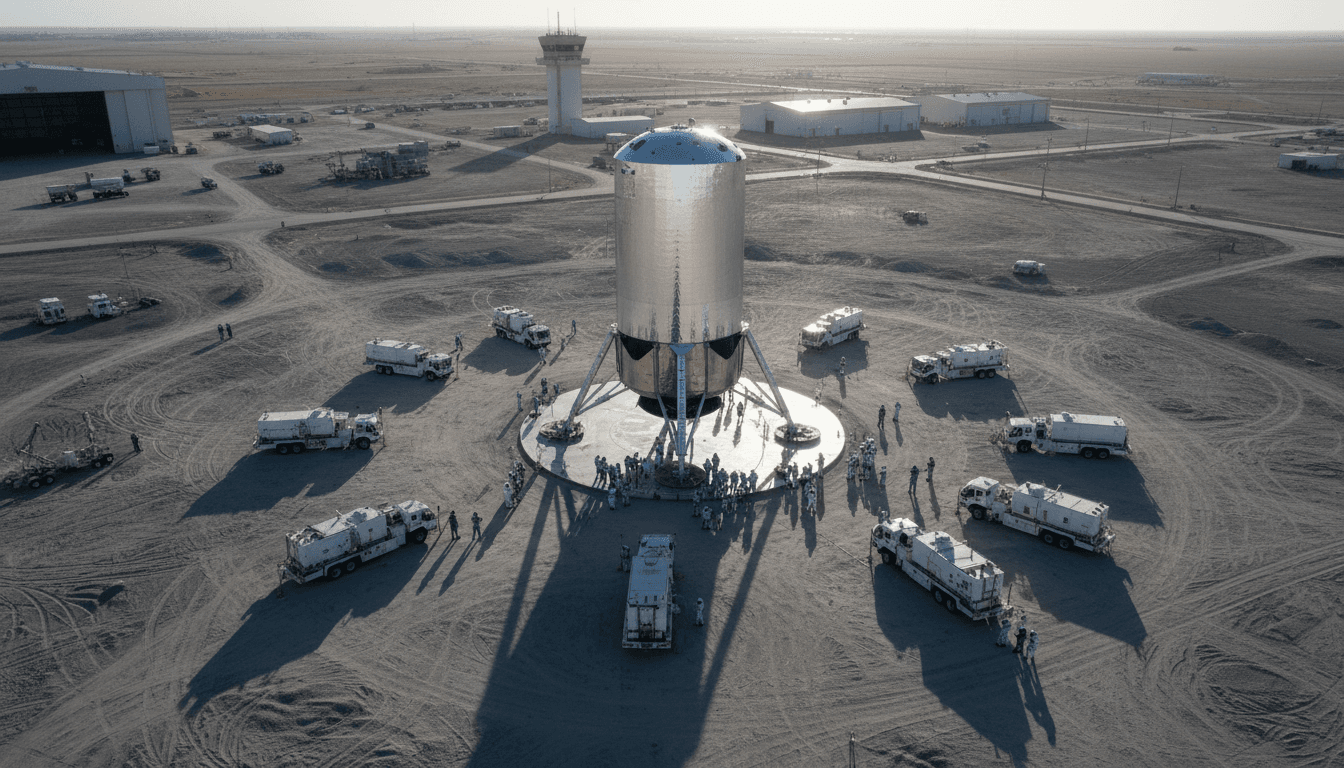
Blue Origin Moon lander moves closer to launch following successful NASA testing, marking a significant stride for the private space company’s lunar ambitions. The cargo Moon lander, a critical component of future lunar logistics, has advanced through a crucial development phase, bringing it nearer to its operational debut.
The recent progress, confirmed on Thursday, May 7, 2026, by The Indian Express, signifies a pivotal moment for Blue Origin’s contribution to the burgeoning lunar economy. While specific details of the NASA testing were not extensively disclosed, the advancement suggests the lander has met key performance and safety benchmarks required for its intended mission profile. This development underscores the intensifying competition and collaboration between private entities and government agencies in the renewed race to the Moon, focusing on sustainable lunar presence rather than fleeting visits.
Impact Analysis
This advancement by the Blue Origin Moon lander has profound implications for the broader science and space landscape. A reliable cargo lander is essential for establishing and maintaining a long-term human presence on the Moon, enabling the delivery of supplies, scientific instruments, and infrastructure components. This capability is not merely about reaching the lunar surface but about sustaining operations there, paving the way for lunar bases, resource utilization, and deeper space exploration. The success of such private ventures alleviates some of the logistical burdens on national space agencies like NASA, allowing them to focus resources on more complex scientific endeavors and human exploration missions. It also stimulates innovation within the commercial space sector, fostering new technologies and business models for lunar services. The ability to routinely transport significant payloads to the Moon could democratize access to the lunar environment, opening doors for international partnerships and diverse research opportunities. Related science & space articles frequently highlight the increasing role of private companies in achieving ambitious space goals.
“The development of robust commercial lunar landers is a game-changer for sustained lunar presence, transforming the Moon from a destination into a logistics hub.”
Context & Background
The journey to develop a commercial lunar lander has been marked by both ambition and significant engineering challenges. Blue Origin, founded by Jeff Bezos, has been a key player in this arena, investing heavily in technologies aimed at reducing the cost and increasing the frequency of space access. Their lunar lander program is part of a broader strategy to support NASA’s Artemis program, which aims to return humans to the Moon and establish a long-term presence. Historically, lunar missions were primarily government-led, characterized by immense public investment and often geopolitical motivations. However, the last decade has seen a paradigm shift, with private companies increasingly taking on roles previously reserved for national agencies. This commercialization is driven by technological advancements, reduced launch costs, and a growing recognition of the economic potential of space. The testing of the Blue Origin Moon lander represents the culmination of years of research and development, building upon the foundational work of previous lunar missions while pushing the boundaries of what is commercially viable.
What’s Next for the Blue Origin Moon Lander
With NASA testing successfully completed, the Blue Origin Moon lander is now poised for its next critical phases. These will likely include further integration testing with other mission components, simulated mission operations, and eventually, a target launch date. The specifics of the lander’s first mission—whether it will be a precursor cargo delivery or part of a crewed mission support—remain to be fully detailed, but its readiness suggests a launch could be within the next few years. Future implications extend beyond initial deployments; a successful cargo lander could lead to further iterations, larger payload capacities, and potentially even human-rated variants. Decisions regarding its deployment schedule and mission profiles will be closely watched by the space industry and investors alike. The success of this lander will undoubtedly influence future procurement decisions by NASA and other international space agencies seeking reliable and cost-effective lunar transportation services. Expect to see continued announcements regarding specific mission assignments and partnerships as Blue Origin solidifies its position in the lunar logistics market. Our coverage of commercial space ventures will continue to track these developments closely.
Key Takeaway
The progress of the Blue Origin Moon lander is a testament to the accelerating pace of private sector involvement in space exploration. It signifies a tangible step towards a future where the Moon is not just a scientific outpost but a destination accessible through commercial services. This shift is crucial for fostering innovation, reducing costs, and ultimately expanding humanity’s reach beyond Earth. The successful testing brings us closer to a sustained lunar presence, unlocking unprecedented opportunities for scientific discovery, resource utilization, and the establishment of a robust off-world economy. This advancement by the Blue Origin Moon lander is not merely a technical achievement; it represents a fundamental change in how humanity approaches space, moving towards a more collaborative, commercially driven, and sustainable future among the stars.