NASA is updating its Artemis moon base plan today, a pivotal moment for the future of lunar exploration and sustained human presence beyond Earth. This announcement, made on Tuesday, May 26, 2026, marks a significant refinement in the agency’s long-term strategy for establishing a permanent outpost on the Moon, a critical step toward eventual missions to Mars and beyond. The live broadcast of this update provided crucial insights into the evolving architectural vision for lunar habitation and scientific research.
The Evolving Lunar Strategy
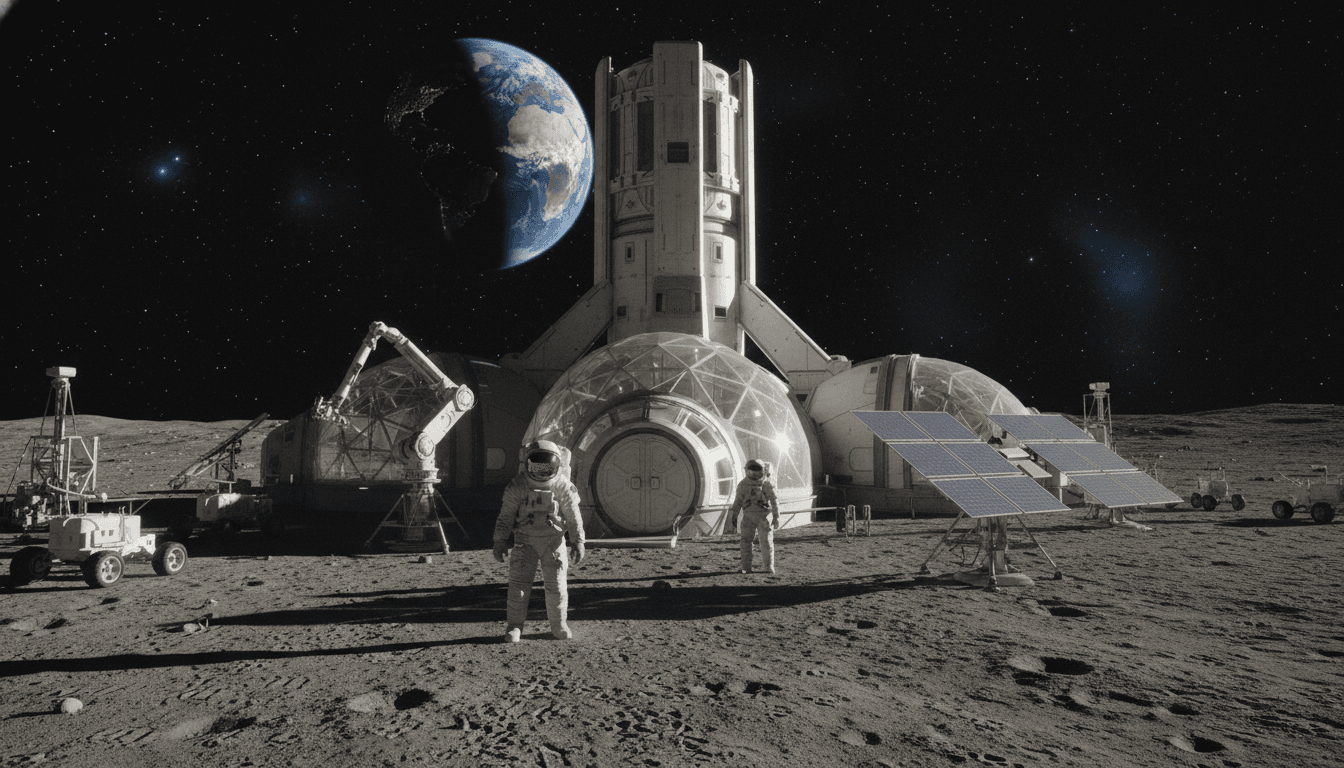
The core of today’s announcement revolves around the specifics of how NASA intends to build and operate its Artemis moon base. While details of the specific changes remain under wraps following the live event, the very act of an update signals an adaptive approach to complex, multi-decade space endeavors. The Artemis program, named after Apollo’s twin sister, aims not just to return humans to the Moon, but to establish a sustainable presence, enabling prolonged missions and scientific discovery. This goes beyond the flags-and-footprints approach of the Apollo era, focusing instead on infrastructure, resource utilization, and international collaboration.
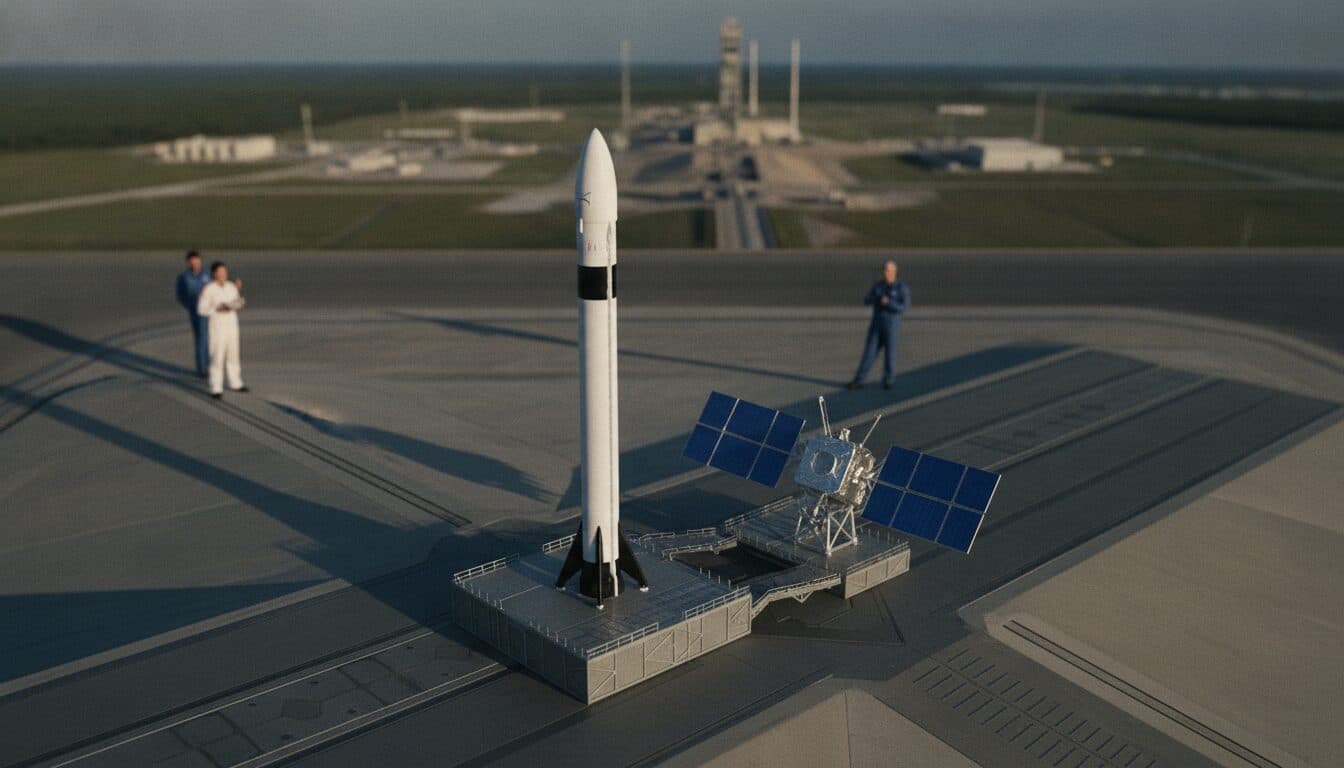
Key stakeholders involved in this ambitious undertaking include various NASA centers, international partners, and private aerospace companies, all contributing to the design, development, and deployment of the base’s components. The initial phases of Artemis have focused on the development of the Space Launch System (SLS) rocket and the Orion spacecraft, which are designed to transport astronauts to lunar orbit. The subsequent stages involve landing systems and, critically, the construction of the surface habitat that will form the Artemis moon base itself.
Impact Analysis
The ramifications of this updated plan extend far beyond the technical specifications of a lunar habitat. It directly influences budget allocations, technological development priorities, and the timeline for human expansion into the solar system. For the scientific community, a permanent moon base offers unparalleled opportunities for geological research, astronomy from a stable platform free of atmospheric interference, and fundamental studies on the effects of long-duration spaceflight on human physiology. Industries ranging from advanced manufacturing to robotics will find new avenues for innovation and application as they contribute to the complex logistics of lunar construction and operations.
“Establishing a sustainable human presence on the Moon is not merely a technical challenge; it’s a strategic imperative that will redefine humanity’s relationship with space and drive unprecedented technological advancement across multiple sectors.”
Furthermore, the iterative nature of these updates underscores the dynamic environment of space exploration. As new technologies emerge, and as scientific priorities evolve, flexibility in planning becomes paramount. This adaptability is crucial for maintaining momentum and ensuring the long-term viability of such a monumental undertaking.
Context & Background
NASA’s pursuit of a moon base is not a new concept, but the Artemis program represents a renewed and more ambitious commitment compared to earlier proposals. Following the Apollo missions, interest in a permanent lunar outpost waned, with focus shifting to the Space Shuttle program and the International Space Station (ISS). However, the strategic value of the Moon, both as a scientific laboratory and a stepping stone for deeper space exploration, has steadily gained prominence again. The Vision for Space Exploration in the early 2000s briefly rekindled lunar ambitions, but it is Artemis that has provided the concrete framework and funding to move forward.
Industry trends indicate a growing role for commercial partners in space exploration, a paradigm shift from the purely government-led initiatives of the past. Companies are developing lunar landers, habitats, and even resource extraction technologies, all of which will likely play a significant role in the construction and operation of the Artemis moon base. This collaborative model is designed to accelerate progress and reduce costs, leveraging the agility and innovation of the private sector.
What’s Next
Following this update, the immediate next steps will involve detailed planning and potentially new solicitations for hardware and services. Engineers and scientists will integrate the revised architectural elements into existing designs, addressing any new technical challenges that may arise. Further announcements regarding specific mission timelines, hardware procurements, and international partnerships are anticipated as the program matures. The ultimate goal remains to land the first woman and next man on the Moon, followed by the establishment of a robust and enduring lunar presence. Future decisions will likely focus on critical infrastructure like power generation, life support systems, and the logistics of transporting supplies and personnel to the lunar surface. The development of in-situ resource utilization (ISRU) capabilities, such as extracting water ice for propellant and breathable air, will be crucial for the long-term sustainability of the Artemis moon base.
Key Takeaway
The update to NASA’s Artemis moon base plan today signifies a critical inflection point for humanity’s return to the Moon. It reinforces the commitment to not just visit, but to live and work there, paving the way for unprecedented scientific discovery and technological advancement. The iterative nature of these plans highlights the complexity and ambition of building a permanent outpost in space, a venture that demands continuous innovation, international cooperation, and unwavering dedication. This evolving vision for a lunar base is a testament to humanity’s enduring drive to explore, understand, and ultimately expand its presence across the cosmos, setting the stage for future endeavors that will shape the course of human history in space.