The Artemis 3 astronaut test flight is officially categorized as “one of the most highly complex missions NASA has undertaken,” according to new details released on Friday, May 15, 2026. This stark assessment underscores the intricate choreography and unprecedented challenges inherent in returning humans to the lunar surface after more than half a century, particularly as the agency aims for a sustainable presence rather than a flag-and-footprints endeavor.
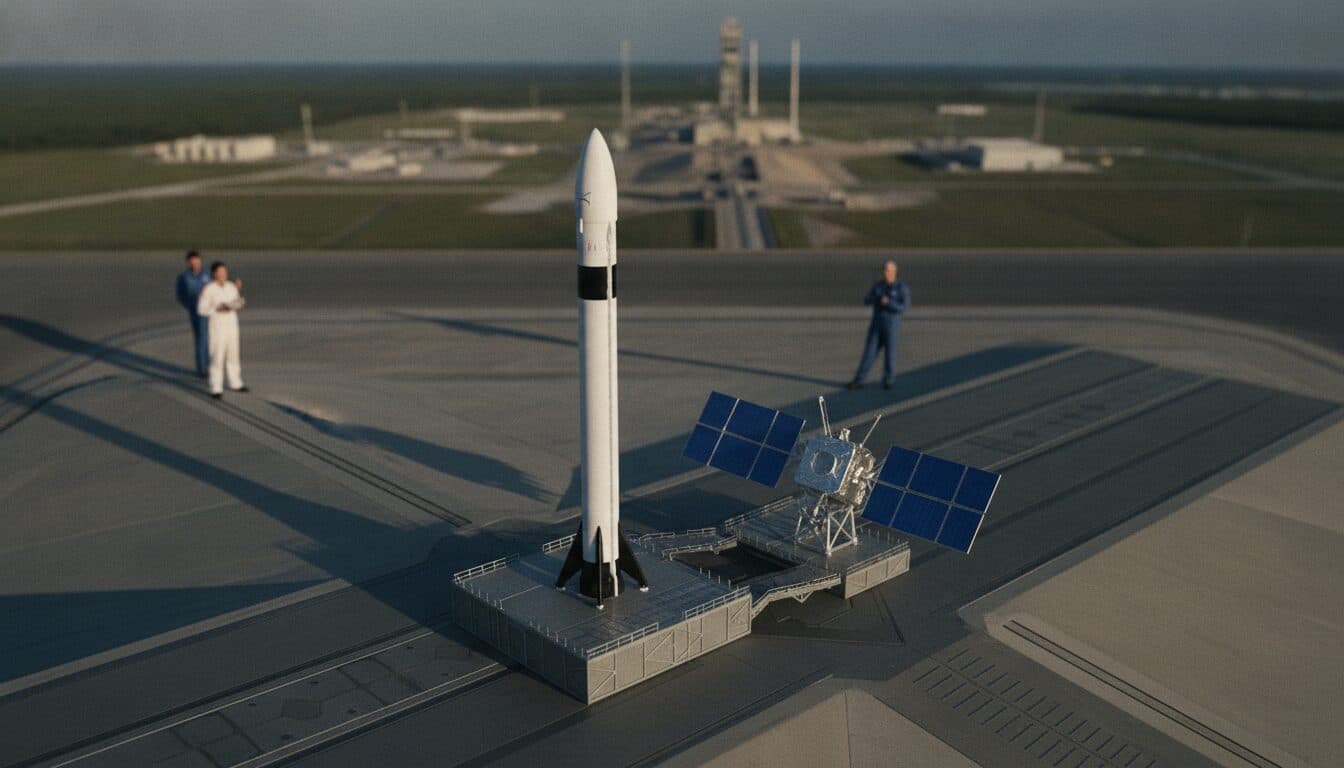
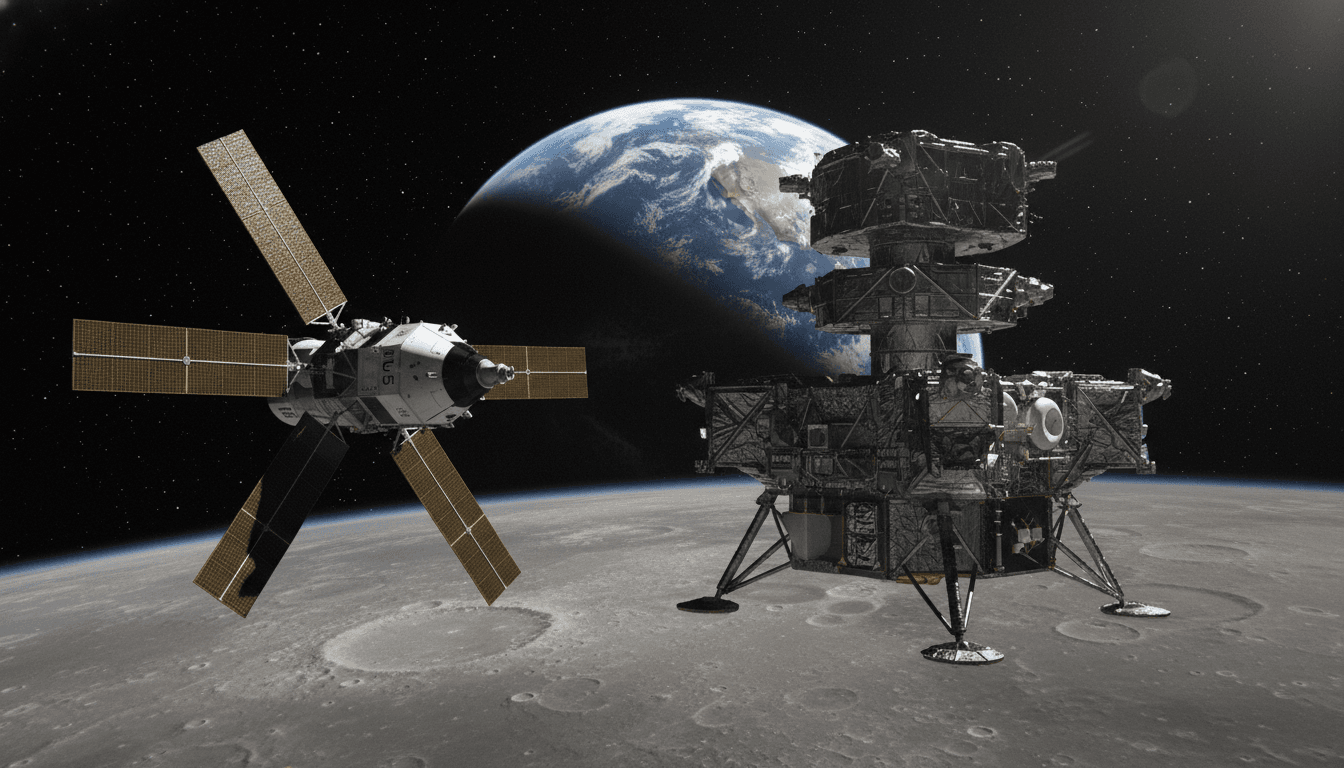
NASA’s latest revelations provide a deeper understanding of why Artemis 3 will demand an extraordinary level of precision, coordination, and technological integration. The mission involves multiple spacecraft, intricate orbital maneuvers, and a delicate sequence of transfers that push the boundaries of current spaceflight capabilities. Unlike the Apollo missions, which were largely self-contained within a single launch vehicle, Artemis 3 relies on a multi-element architecture, requiring several distinct components to rendezvous and dock in lunar orbit before the astronauts can even begin their descent.
Impact Analysis
The heightened complexity of Artemis 3 has significant implications for the broader science and space landscape. It necessitates robust international and commercial partnerships, as components like the Human Landing System (HLS) are being developed by private industry. This distributed development model, while fostering innovation, also introduces additional layers of integration and risk management. The success of Artemis 3 will validate NASA’s strategy of leveraging commercial capabilities for deep space exploration, potentially setting a precedent for future Mars missions and beyond. Conversely, any significant delays or technical setbacks could ripple through the entire Artemis program, affecting timelines and budgets for subsequent lunar expeditions and the eventual establishment of a lunar base.
Furthermore, the mission’s complexity underscores the advanced scientific objectives planned for the lunar South Pole. Astronauts will be tasked with exploring regions potentially rich in water ice, a critical resource for future long-duration missions and in-situ resource utilization. The intricate nature of the mission ensures that every phase, from launch to lunar surface operations and return, is meticulously planned to maximize scientific return while mitigating the inherent risks of human spaceflight beyond low Earth orbit. The challenges of deep space exploration are being met with equally complex solutions.
Context & Background
The Artemis program represents a paradigm shift from the Apollo era. While Apollo demonstrated humanity’s ability to reach the Moon, Artemis aims for sustained exploration and eventual colonization. This shift mandates more sophisticated infrastructure, including the Lunar Gateway, a small space station orbiting the Moon, and the use of the Space Launch System (SLS) rocket, the most powerful rocket ever built. Artemis 3 is designed to be the first crewed mission to land on the Moon since Apollo 17 in 1972, serving as a critical proving ground for the new generation of lunar exploration hardware and operational procedures. The integration of different systems, such as the Orion spacecraft, the SLS, and the HLS, presents unique engineering and logistical hurdles that were not present in the earlier, more singular approach of Apollo.
“The sheer number of critical interfaces and the sequential nature of operations make Artemis 3 astronaut test flight an unprecedented undertaking in modern spaceflight history.”
The lessons learned from the uncrewed Artemis 1 mission and the crewed Artemis 2 circumlunar flight are being directly applied to refine the plans for Artemis 3. Each preceding mission is designed to de-risk elements of the more complex landing mission, validating systems and procedures in a step-by-step approach. This iterative development and testing process is standard for high-stakes space missions but takes on added significance given the multi-agency and multi-partner nature of the Artemis program.
What’s Next
As the Artemis 3 astronaut test flight approaches, NASA and its partners will continue to conduct extensive simulations and ground testing to refine mission profiles and contingency plans. Key decisions regarding specific landing sites in the lunar South Pole will be finalized, balancing scientific interest with operational feasibility and safety. The ongoing development and testing of the Human Landing System by commercial providers will remain a critical path item, with any delays having direct implications for the overall mission schedule. Public engagement and transparency will also be crucial, as NASA navigates the technical complexities and manages expectations for this highly anticipated return to the Moon. The success of this mission will undoubtedly pave the way for future deep space endeavors, including Mars.
Key Takeaway
The revelation that the Artemis 3 astronaut test flight is “one of the most highly complex missions NASA has undertaken” is not merely a statement of fact but a profound acknowledgment of the ambition and technical prowess required for humanity’s sustained return to the Moon. It highlights the intricate web of technological innovations, strategic partnerships, and meticulous planning necessary to achieve such a monumental feat. The success of Artemis 3 will not only mark a new chapter in lunar exploration but will also validate a new paradigm for deep space missions, setting the stage for future human endeavors across the solar system.