The landmark Artemis 2 merch selection, as highlighted by Space.com on Friday, April 10, 2026, marks a significant moment in the public engagement strategy for NASA’s ambitious lunar mission. While the mission itself is a scientific and engineering marvel, the early focus on commercial products underscores a strategic effort to build broader public enthusiasm and financial support for deep-space exploration. This development, surfacing long before the crewed lunar flyby, signals a sophisticated approach to branding and outreach, aiming to embed the mission into popular culture.
The Story of Artemis 2 Merch
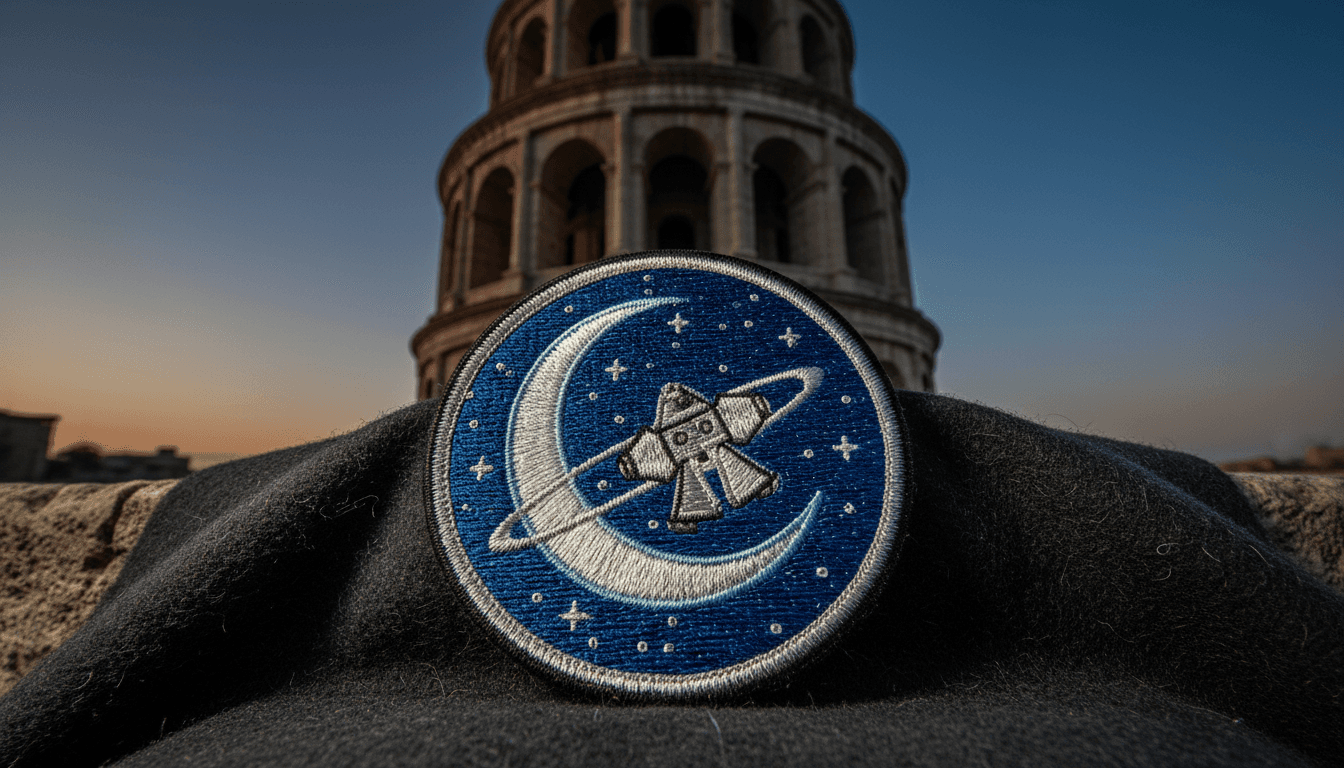
The core of this news revolves around Space.com’s personal selection of the ‘best NASA Artemis 2 merch,’ a curated list designed to appeal to ‘aspiring astronauts’ and space enthusiasts alike. Although specific items are not detailed in the provided information, the very existence of such a feature on a prominent science and technology platform like Space.com indicates a robust and active merchandising program surrounding the Artemis II mission. This initiative involves NASA, its commercial partners, and various licensed vendors who are clearly preparing a wide array of products, from apparel to collectibles, to capitalize on the mission’s growing profile. The timing, nearly two years prior to the anticipated launch, suggests a long-term commercial strategy aimed at creating sustained interest and demand.
Impact Analysis
The early and prominent coverage of Artemis 2 merch has several significant implications for the broader science and space landscape. Firstly, it demonstrates an increasingly commercialized approach to space missions. While scientific discovery remains paramount, the ability to generate public excitement and, by extension, revenue through merchandising can help sustain long-term funding and political will for expensive endeavors like lunar returns. This strategy mirrors successful models seen in major sporting events or blockbuster movies, translating the abstract goal of space exploration into tangible consumer products.
Secondly, it broadens the demographic reach of space exploration. By offering accessible merchandise, NASA and its partners can engage individuals who might not typically follow complex scientific developments but are drawn in by cultural phenomena. This can foster a new generation of space advocates and potentially inspire interest in STEM fields. The focus on ‘aspiring astronauts’ explicitly targets younger audiences, cultivating future talent and public support.
“The early unveiling of Artemis 2 merch signals a sophisticated commercial strategy aimed at embedding lunar exploration into mainstream culture, far beyond the traditional science community.”
Finally, this merchandising push can serve as a powerful communication tool. Each piece of related science & space articles related to Artemis 2 merch acts as a mini-advertisement, reminding the public of the mission’s progress and goals. It transforms the mission from a distant concept into something relatable and personal, fostering a sense of ownership and participation among the public.
Context & Background
NASA’s Artemis program aims to return humans to the Moon, with Artemis II being the first crewed mission to orbit the Moon since Apollo 17 in 1972. This mission will pave the way for Artemis III, which plans to land astronauts on the lunar surface. The agency has increasingly embraced public-private partnerships and commercialization, recognizing that governmental funding alone may not suffice for ambitious, sustained deep-space exploration. The strategy of leveraging commercial products to build public interest is not entirely new for NASA, but its scale and early implementation for Artemis II suggest a heightened emphasis.
Previous space missions, particularly the Apollo program, also saw a surge in memorabilia, but often after significant milestones. The proactive approach with Artemis 2 merch, nearly two years out from the mission date, reflects modern marketing trends and the competitive landscape for public attention. In an era dominated by digital content and global franchises, space exploration must compete for mindshare, and merchandise is a proven vector for cultural penetration.
What’s Next
Looking ahead, we can anticipate a continuous rollout of new Artemis 2 merch as the mission approaches its launch window. Space.com’s initial selection is likely just the beginning, with more diverse products and collaborations expected. This sustained commercial activity will likely be synchronized with key mission milestones, such as crew announcements, rocket assembly, and capsule testing, further amplifying public awareness. The success of this merchandising strategy could also set a precedent for future NASA missions, influencing how subsequent deep-space endeavors are branded and promoted. We may see similar early-stage commercial pushes for missions to Mars or beyond, turning space exploration into an even more mainstream cultural phenomenon.
Key Takeaway
The prominence of Artemis 2 merch, highlighted by Space.com, underscores a critical shift in how major space exploration initiatives are engaging with the public and securing their long-term viability. Beyond the scientific and engineering feats, the strategic use of commercial products is becoming an indispensable tool for building public enthusiasm, fostering a new generation of space advocates, and ensuring sustained support for humanity’s return to the Moon and beyond. This integration of commerce and exploration is vital for the ambitious future of human spaceflight, transforming abstract goals into tangible connections for millions.