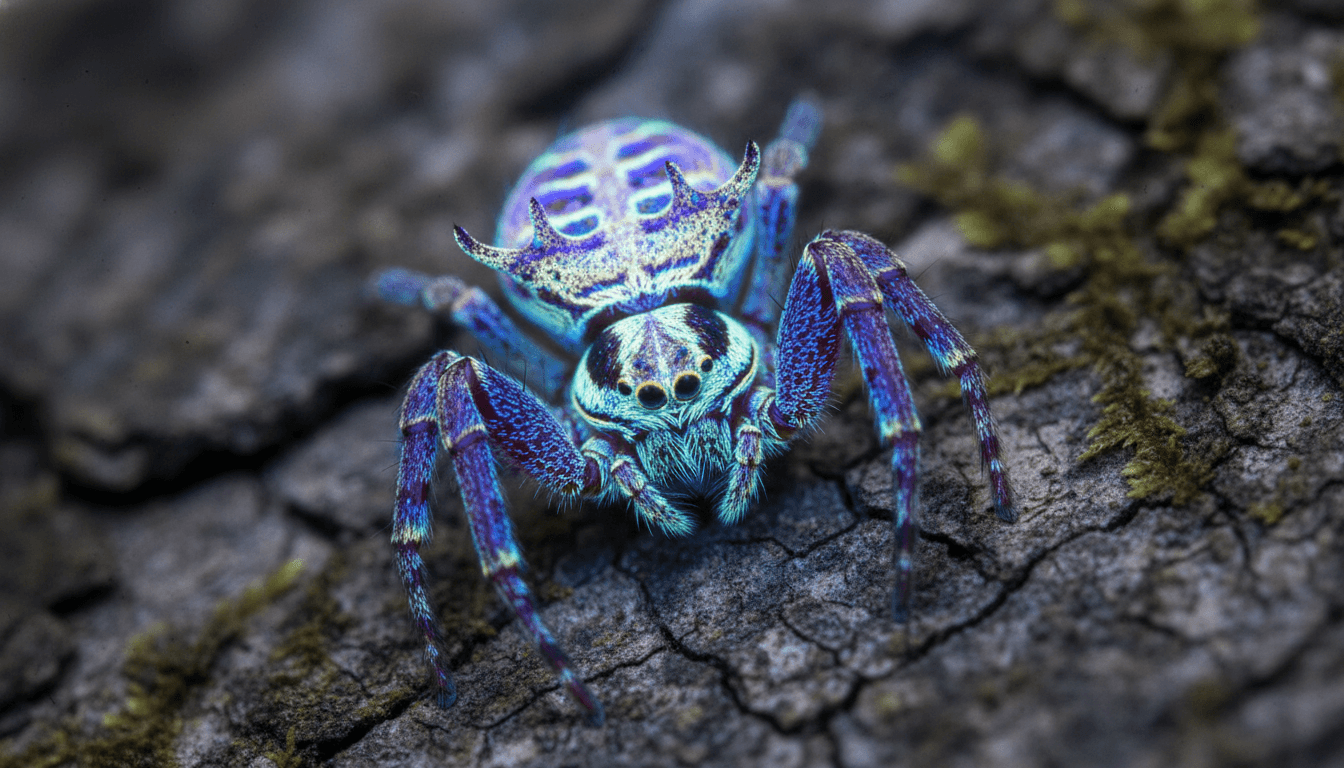
A remote Angola expedition has uncovered a remarkable array of previously unknown species, including a fluorescent spider and dozens of other insects, highlighting the urgent need for conservation in a biodiversity hotspot. The discoveries, made by The Wilderness Project in February 2026 on Angola’s remote Lisima plateau, underscore the immense biological richness of a region crucial to four of Africa’s major rivers: the Congo, Okavango, Zambezi, and Cuanza.
Among the unique finds were eight new dragonfly species, three grasshopper species, and approximately 60 butterfly and moth species. Researchers also documented an armored, predatory cricket and a previously undescribed copper caterpillar and its adult butterfly. Perhaps one of the most visually striking finds was a crowned crab spider that fluoresces under ultraviolet light, offering a glimpse into the hidden complexities of the plateau’s ecosystems.
Unveiling Angola’s Hidden Biodiversity
Beyond the fluorescent spider, the expedition also identified a new blood orange-hued ladybird orb-web spider. This species exhibits a fascinating mimicry, employing bright coloration to signal to predators that it is bitter or toxic, a classic example of aposematism. Expedition leader Rob Taylor described the armored crickets as “very cool … very fierce-looking,” noting their unique defense mechanism of squirting fluid onto attackers. These discoveries are not merely academic curiosities; they arrive at a critical juncture as scientists globally intensify efforts to document species amid a deepening ecological crisis.
The scale of undiscovered life remains vast, with an estimated 8.7 million species globally, of which only 1.5 million have currently been identified. Tragically, an estimated one million plant and animal species are on the brink of extinction, and human activity has already led to the disappearance of over 800 animal species since around 1500. The rapid pace of discovery in Angola, particularly the new species, serves as a stark reminder of what could be lost before it is even known to exist. For more on global conservation efforts, see our related science & space articles.
“These discoveries highlight the rich biodiversity of a region whose waters feed four of Africa’s major rivers: the Congo, Okavango, Zambezi, and Cuanza.”
The Lisima plateau’s ecological significance extends beyond its unique species; its waters are vital arteries for a vast portion of the African continent. This interconnectedness means that threats to the plateau have far-reaching implications. Angola itself is a nation of stark contrasts, rich in natural resources like oil, diamonds, and minerals, yet a significant portion of its population struggles to meet basic needs. This economic reality often fuels activities that directly endanger its precious ecosystems.
Threats to the Lisima Plateau’s Future
Despite these remarkable finds, the wildlife of the Lisima plateau faces immediate and severe threats. Taylor warned that the region is endangered by “tree-felling, deforestation and … the artisanal diamond mining industry,” as well as by slash-and-burn agriculture. These destructive practices not only destroy natural forests but also deplete vital soil nutrients, making ecological recovery difficult and often impossible. The pressures from resource extraction and subsistence farming create a complex challenge for conservationists and policymakers alike. The discovery of new species, including the unique fluorescent spider, amplifies the urgency of protecting these fragile habitats before they are irreversibly altered or lost.
The ongoing documentation of new species in Angola serves as a critical biological inventory, providing essential data for conservation strategies. Understanding what exists is the first step in protecting it. The challenge now lies in translating these scientific discoveries into actionable conservation policies and sustainable development practices that can safeguard both the unique biodiversity of the Lisima plateau and the livelihoods of local communities. The future of species like the fluorescent spider and its delicate ecosystem hangs in the balance, dependent on a concerted effort to mitigate human impact.