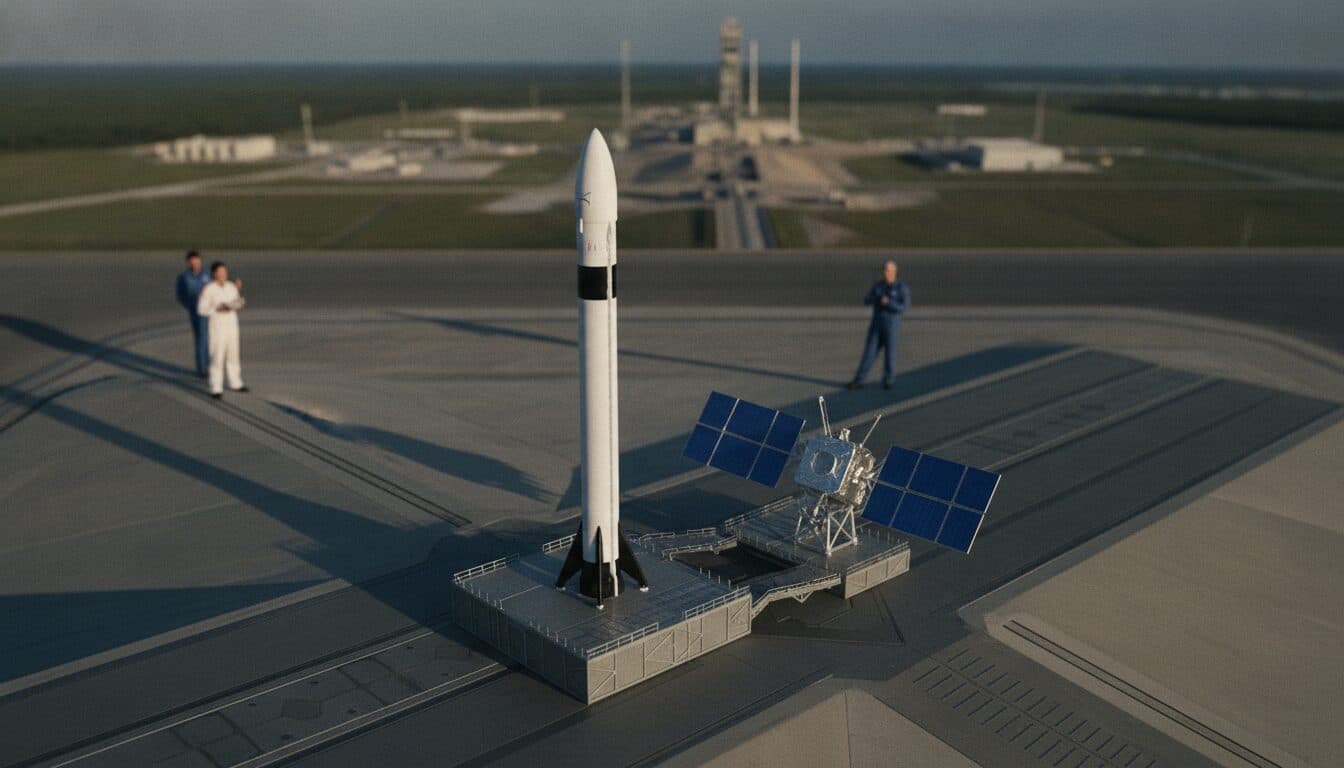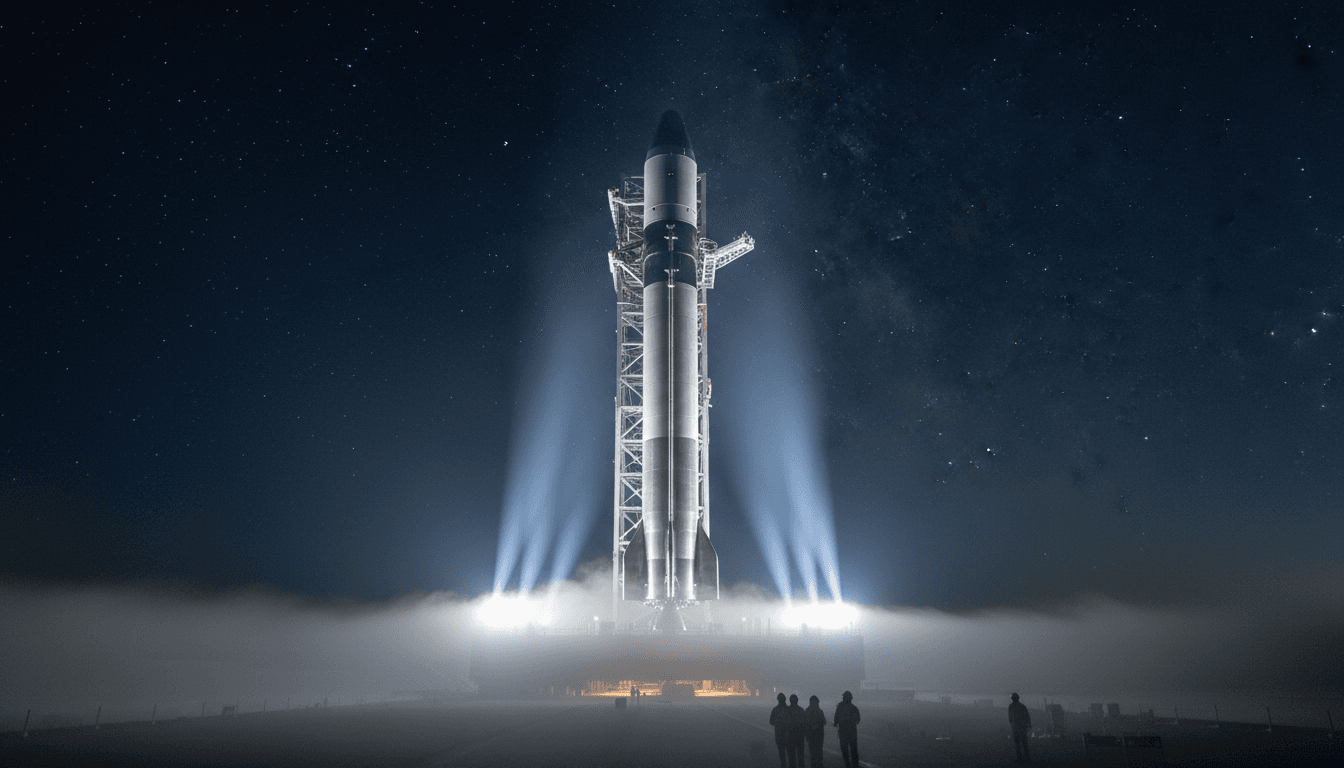
America’s next Moon mission, a pivotal step in humanity’s return to the lunar surface, now critically hinges on Elon Musk’s SpaceX. This dependency, confirmed by reports on Sunday, April 19, 2026, underscores a dramatic shift in the landscape of space exploration, placing a significant portion of NASA’s ambitious Artemis program in the hands of a private enterprise known for its audacious goals and volatile timelines.
The Story: SpaceX at the Helm of Lunar Ambition
The core of this unfolding narrative involves NASA’s selection of SpaceX as the primary contractor for the Human Landing System (HLS) that will transport astronauts to the Moon’s surface. This decision, made in a competitive bidding process, elevates SpaceX’s Starship vehicle to an unprecedented role in the nation’s lunar aspirations. While the exact financial figures and contractual specifics remain under wraps, the implication is clear: the timeline and ultimately the success of America’s next Moon mission are inextricably linked to the development and readiness of Starship.
Elon Musk, the charismatic and often controversial CEO of SpaceX, has long championed Starship as a multi-purpose vehicle capable of deep-space travel, Mars colonization, and, now, lunar landings. The vehicle’s sheer scale and reusable design represent a radical departure from traditional spaceflight architecture. However, its development has been marked by a series of high-profile tests, some ending in spectacular failures, others demonstrating remarkable progress. This rollercoaster trajectory injects both excitement and considerable risk into the Artemis program.
The Mother Jones report, dated April 19, 2026, highlights that this reliance is now a concrete reality, not a speculative future. It implies that significant milestones have been reached in the contractual and technical agreements, solidifying SpaceX’s central role. This isn’t merely a component supply; it’s the very vehicle that will carry astronauts to the lunar south pole, a region believed to hold vital water ice resources.
Impact Analysis: Reshaping the Science & Space Landscape
This dependency on SpaceX for America’s next Moon mission has profound implications for the broader science and space landscape. Firstly, it cements the trend of privatization in space exploration. While NASA has long worked with private contractors, entrusting the critical human landing element to a single, relatively young company represents a new level of integration and reliance. This could accelerate innovation and reduce costs, as private companies are often more agile than traditional aerospace behemoths. However, it also introduces a single point of failure and intertwines national space policy with the fortunes and eccentricities of a private CEO.
Secondly, it underscores the strategic importance of Starship. If successful, Starship could revolutionize space travel, making deep-space missions more routine and affordable. Its failure, however, could significantly delay or even derail the Artemis program, impacting not only U.S. prestige but also scientific opportunities for lunar research. The decision to select Starship, despite its ongoing development, suggests NASA sees its potential as outweighing the risks.
“The reliance on a single private entity for such a critical component of national space policy represents a bold, some might say audacious, gamble. The stakes, both for scientific discovery and national prestige, could not be higher.”
This move also impacts international partnerships. Allies participating in Artemis will now indirectly rely on SpaceX’s performance. The success or failure of this collaboration will undoubtedly shape future international space endeavors, potentially encouraging other nations to explore similar public-private partnerships or to develop independent capabilities.
Context & Background: A New Era of Lunar Exploration
The current situation is a culmination of several trends. Following the Apollo program’s conclusion in the 1970s, human lunar exploration largely paused. NASA’s Artemis program aims to return humans to the Moon by the mid-2020s, with a particular focus on establishing a sustainable presence. This ambitious goal necessitates new technologies and approaches, leading NASA to embrace commercial partners more actively than ever before. Companies like SpaceX, Blue Origin, and Dynetics competed for the HLS contract, showcasing a vibrant commercial space sector eager to contribute to national goals.
SpaceX, founded by Elon Musk in 2002, has consistently pushed boundaries, from developing reusable rockets like the Falcon 9 to launching the Starlink satellite internet constellation. Its rapid development cycles and willingness to iterate through testing have set it apart from more traditional aerospace companies. The selection of Starship for America’s next Moon mission is a testament to its perceived technological advantage and cost-effectiveness, even amidst its developmental challenges.
What’s Next: Milestones and Moon Mission Timelines
The immediate future will focus on the continued development and rigorous testing of Starship. Critical milestones include achieving orbital flight, in-orbit refueling demonstrations, and successful uncrewed lunar landing tests. NASA will undoubtedly maintain close oversight, but the primary responsibility for delivering a flight-ready HLS rests with SpaceX. Any significant delays or technical setbacks will directly impact the Artemis III mission timeline, which aims to land astronauts on the Moon.
Upcoming decisions will involve further integration planning between Starship and other Artemis elements, such as the Orion spacecraft and the Gateway lunar orbiting outpost. The political and economic landscapes will also play a role, with continued congressional funding and public support being crucial for the sustained success of the program. The world will be watching closely as America’s next Moon mission progresses.
Predictions suggest a period of intense activity and potential volatility. While SpaceX has a track record of overcoming challenges, the scale and complexity of Starship for human lunar landings are unprecedented. The coming years will be a true test of its engineering prowess and Musk’s leadership.
Key Takeaway: The High Stakes of Commercial Space
The fundamental takeaway from this development is the high-stakes gamble inherent in the evolving commercial space industry. America’s next Moon mission represents a profound commitment to a new model of space exploration, one where government agencies rely heavily on private innovation. This approach promises faster progress and potentially lower costs, but it also centralizes risk in a way that was unthinkable during the Apollo era. The success of Artemis, and with it the future trajectory of human spaceflight, now rides significantly on the shoulders of Elon Musk and the engineers at SpaceX. This pivotal moment will define not only America’s return to the Moon but also the very structure of future cosmic endeavors. For more on the commercialization of space and its implications, see our ongoing coverage. The world watches as the fate of lunar exploration hangs in the balance, a testament to the transformative power, for better or worse, of private enterprise in the pursuit of the final frontier. Explore related science & space articles here.