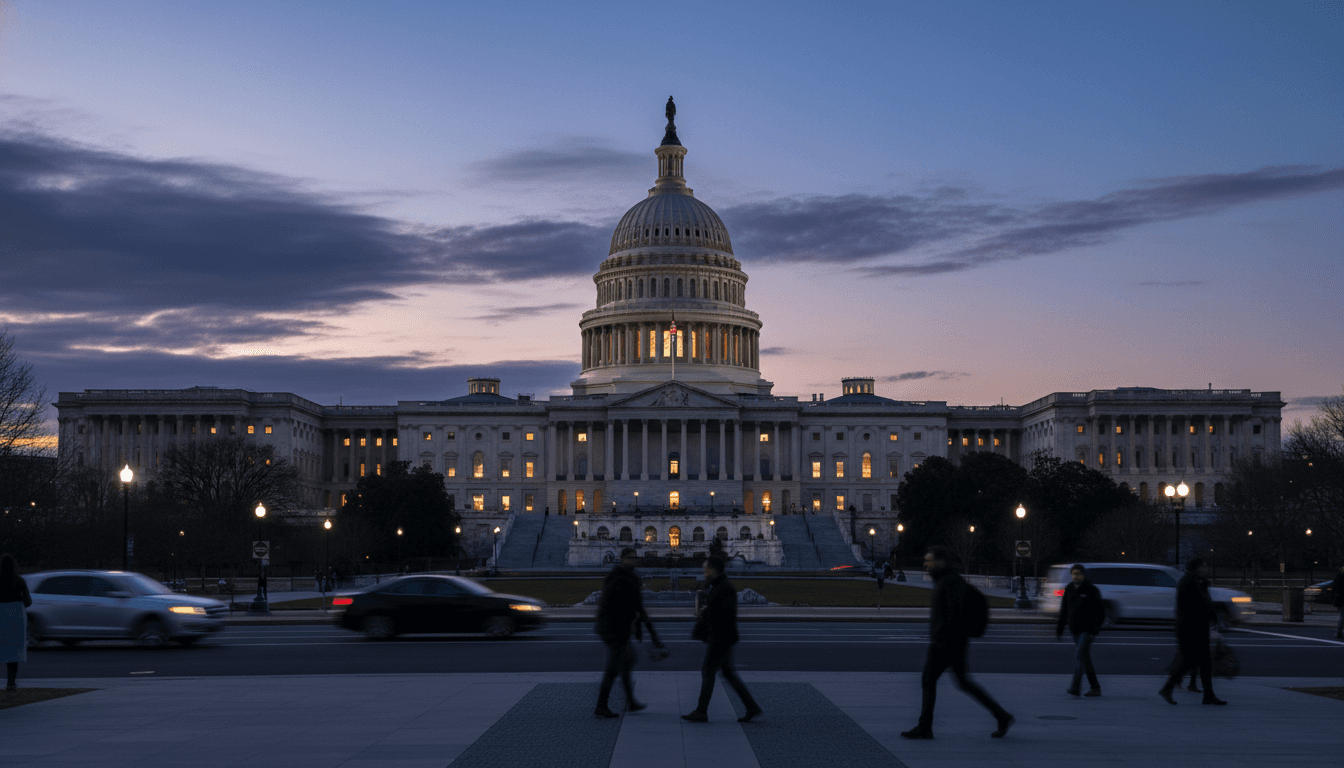
The US shutdown enters its sixth day, marking a deepening political stalemate as the Senate once again failed to pass a bill aimed at reopening the government on Tuesday, May 19, 2026. This persistent gridlock has left federal agencies partially closed, impacting services and raising concerns about the broader economic and political stability of the nation. The latest legislative defeat underscores the chasm between congressional Democrats and the White House, with no clear path to resolution immediately apparent.
The Standoff’s Core: Who and What
At the heart of the current crisis is a fundamental disagreement between President Trump and Senate Democrats over key budgetary allocations. While the specific details of the failed Senate bill were not provided in the source, its rejection signifies a continuation of the impasse that has characterized the past week. President Trump has reiterated his willingness to negotiate, stating, “happy to negotiate if Democrats will reopen government.” This condition, however, places the onus on Democrats to yield first, a position they appear unwilling to accept without significant concessions from the administration. The repeated failures to pass legislation highlight the challenges of divided government, where legislative action is often held hostage by partisan maneuvering.
Impact Analysis of the US Shutdown
The protracted US shutdown carries significant implications for both domestic policy and the broader political landscape. Each day of closure translates into tangible disruptions for federal employees, many of whom are either furloughed or working without pay. Essential government services, from national park operations to certain regulatory functions, face varying degrees of interruption. Economically, prolonged shutdowns can erode consumer confidence, delay government contracts, and potentially shave points off GDP growth, particularly if the situation extends into weeks or months. Politically, the blame game intensifies, with both parties vying for public support and seeking to cast the other as intransigent. This current shutdown could set a precedent for future budget negotiations, potentially normalizing such high-stakes standoffs.
“The inability to fund basic government operations reflects a profound breakdown in legislative functionality, impacting everything from federal employee livelihoods to global perceptions of U.S. governance.”
Context and Historical Precedent
Government shutdowns are not new to the American political system, though their frequency and duration have varied. Previous shutdowns have often revolved around contentious budgetary items, from healthcare reform to immigration policy. The current situation, however, feels particularly entrenched, with both sides signaling a firm resolve. The political climate leading up to this shutdown was marked by escalating rhetoric and a lack of bipartisan consensus on several key legislative initiatives, making a compromise difficult to achieve. The current legislative session has seen numerous instances of legislative gridlock, reinforcing a trend of increased partisan polarization in Washington.
What’s Next: Future Implications and Decisions
With the US shutdown now in its sixth day and another Senate bill failing, attention will turn to alternative strategies for resolution. This could involve direct negotiations between congressional leaders and the White House, or perhaps a revised legislative proposal that attempts to bridge the divide. The pressure on both sides will mount with each passing day, particularly as the economic and social costs become more evident. Public opinion will likely play a crucial role in shaping the urgency for a resolution. The upcoming days will be critical in determining whether a pathway to compromise can be found or if the stalemate will deepen further, potentially leading to more significant long-term consequences for federal operations and the economy. The likelihood of a quick resolution appears slim given the current rhetoric.
Key Takeaway: The Cost of Continued Gridlock
The ongoing US shutdown underscores the profound challenges of governing in an era of deep partisan division. The failure of the Senate to pass another bill on Tuesday, May 19, 2026, highlights a political system struggling to find common ground on even the most fundamental responsibilities. The ramifications extend beyond immediate government services, touching upon economic stability, public trust, and the functionality of democratic institutions. Until a genuine willingness to negotiate and compromise emerges from both sides, the nation faces the prospect of continued disruption and the erosion of governmental efficacy. The true cost of this gridlock will be borne by the American public, highlighting the urgent need for a resolution.