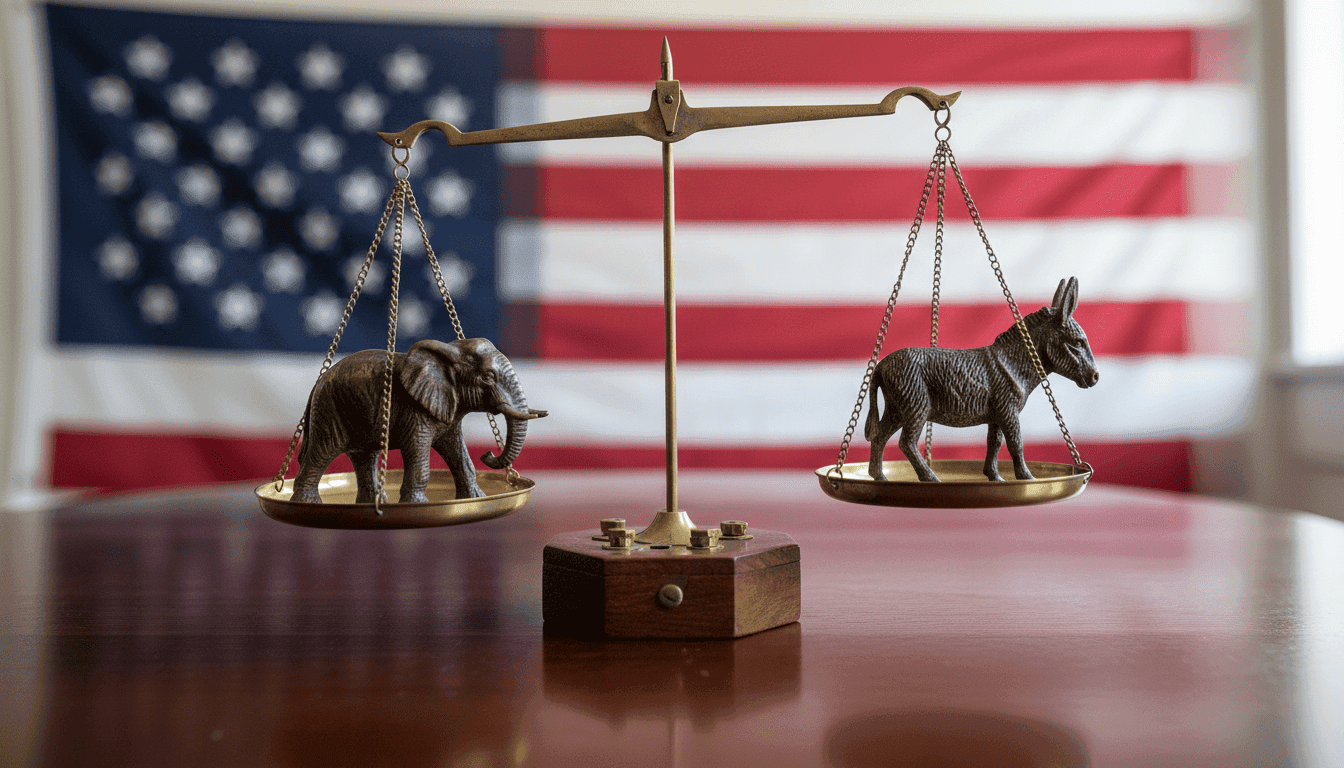
Support for Democratic, Republican candidates tied among likely voters ahead of the midterms, according to a poll released on Wednesday, April 29, 2026, by The Hill. This precise parity signals a highly competitive political landscape as the nation approaches a critical election cycle, where control of Congress could hinge on the slimmest of margins. The findings underscore the deep partisan divisions and the persistent battle for voter allegiance that defines contemporary American politics.
The Tight Race for Midterm Support
The latest polling data from The Hill indicates an unprecedented deadlock in voter preference, with both Democratic and Republican candidates garnering identical levels of support. This reflects a political environment where neither party holds a decisive advantage, compelling strategists on both sides to intensify their outreach efforts and refine their messaging. The poll, conducted in late April 2026, surveyed likely voters, offering a snapshot of public sentiment just months before the crucial midterm elections. The findings highlight the effectiveness of both parties in mobilizing their respective bases, leading to a near-perfect equilibrium in national support.
The implications of such a tight race are significant, particularly for swing districts and battleground states. Campaigns will likely focus on maximizing voter turnout and swaying undecided voters, who could ultimately determine the balance of power. The poll’s release on April 29, 2026, provides a timely barometer of the political climate, suggesting that neither party can afford complacency. Every vote will count in an election where political strategy is paramount.
Impact Analysis on Policy Landscape
The tied support for Democratic, Republican candidates has profound implications for the broader politics and policy landscape. A razor-thin majority in either chamber of Congress would likely lead to continued legislative gridlock, making it challenging for any single party to push through its agenda. Key policy areas, including economic reform, social issues, and foreign policy, could remain stalemated. Businesses and investors often seek stability and predictability, and a divided government with such close margins could introduce further uncertainty into the market.
“The current polling data underscores the persistent polarization in American politics, suggesting that legislative compromise will remain an uphill battle regardless of which party secures a narrow majority.”
Furthermore, this parity could intensify the focus on executive orders and administrative actions as a means of bypassing a gridlocked Congress. This trend, while not new, could become more pronounced, leading to increased legal challenges and heightened political tensions. The outcome of these midterms will not only determine legislative control but also set the stage for the next presidential election cycle, influencing party platforms and candidate selection.
Context and Historical Trends
The current state of tied support for Democratic, Republican candidates is not entirely unprecedented but reflects a deepening trend of political polarization. Historically, midterm elections often serve as a referendum on the sitting president’s party, frequently resulting in losses for the party in power. However, recent election cycles have shown a more complex interplay of factors, including national sentiment, economic conditions, and highly organized grassroots efforts.
This close contest also aligns with broader industry trends observed in political polling, where national races often tighten significantly closer to election day. The Hill’s poll, released in late April 2026, provides a crucial data point in this ongoing narrative, demonstrating the sustained intensity of partisan loyalty. Previous election cycles have seen last-minute shifts, but the current deadlock suggests a deeply entrenched divide that will be difficult for either party to overcome decisively.
What’s Next for the Midterm Battle
Looking ahead, the next few months will be critical for both Democratic and Republican campaigns. Expect an escalation in campaign advertising, particularly in competitive districts, with a strong focus on mobilizing core voters and persuading the shrinking pool of undecideds. Policy debates will likely center on economic issues, healthcare, and national security, with each party attempting to frame these topics in a way that resonates with their base and appeals to swing voters.
The fundraising arms of both parties will also be working overtime to secure the necessary resources for these intensified campaigns. Voter registration drives and get-out-the-vote initiatives will be paramount, as the election’s outcome could ultimately be decided by turnout. Future polls will be closely watched for any shifts in support for Democratic, Republican candidates, providing further insights into the evolving political landscape.
Key Takeaway
The unprecedented tie in support for Democratic, Republican candidates, as revealed by The Hill’s poll on April 29, 2026, underscores the razor-thin margins defining the upcoming midterm elections. This parity signifies a deeply polarized electorate and a political environment where every vote and every strategic decision will carry immense weight. The outcome will not only determine the legislative agenda for the next two years but also shape the long-term trajectory of American politics, demanding vigilance and adaptability from all stakeholders.