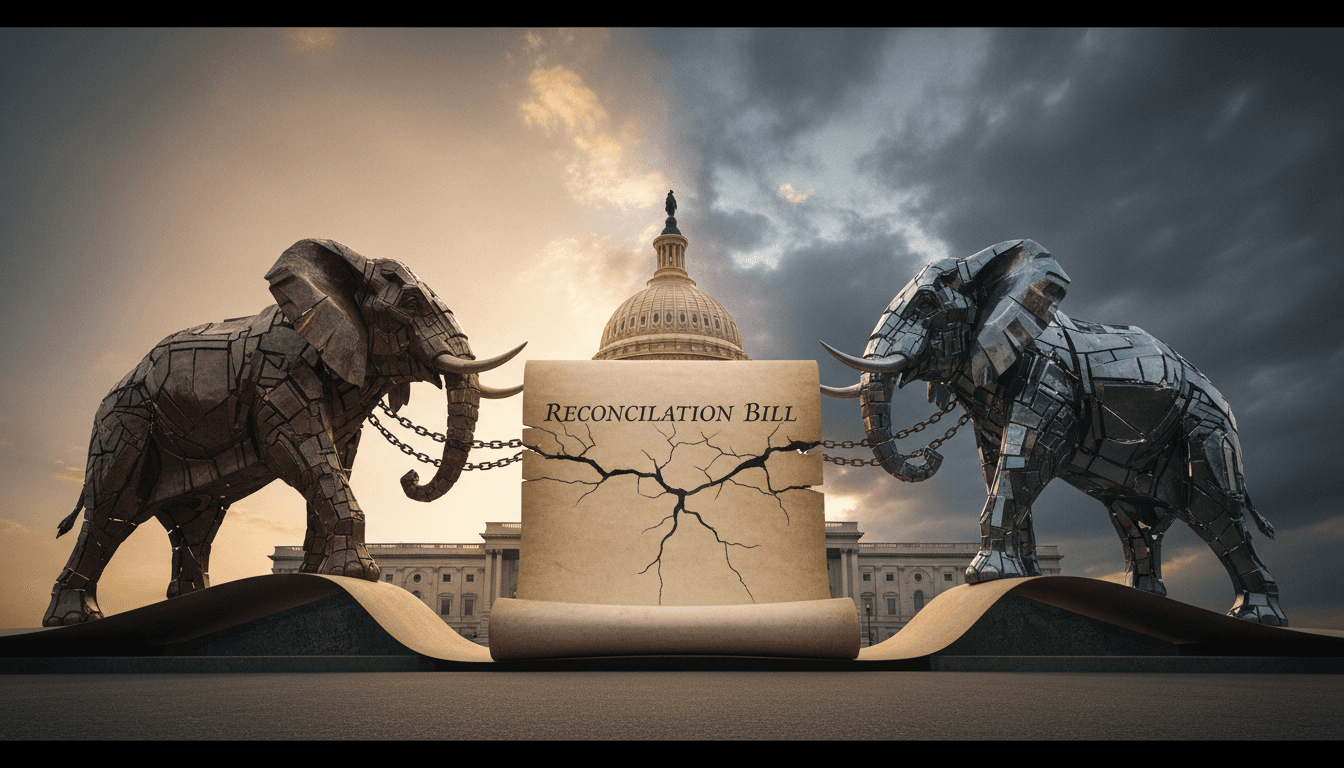
Dramatic Republican reconciliation debate currently gripping Washington highlights the deep ideological fissures within the party as lawmakers grapple with the contours of a potential new reconciliation bill. On Tuesday, April 7, 2026, discussions intensified on Capitol Hill, revealing significant disagreement over both the scope and substance of any legislative effort that utilizes the budget reconciliation process.
The Internal Struggle Over Reconciliation
The crux of the matter revolves around the Republican Party’s strategy for advancing key legislative priorities, particularly in an environment where bipartisan consensus remains elusive. Reconciliation, a procedural tool that allows certain legislation to pass the Senate with a simple majority, bypassing the filibuster, has historically been a powerful, albeit controversial, mechanism. However, Republicans are now engaged in an intense internal struggle over what a new reconciliation bill should look like.
Sources close to the ongoing negotiations indicate that the debate encompasses fundamental questions about the party’s core agenda. Some factions advocate for a broad, ambitious package that could include significant tax reforms, spending cuts, or regulatory rollbacks, aiming for a transformative impact. Others, however, are pushing for a more targeted approach, fearing that an overly expansive bill could alienate moderate voters or prove too difficult to pass given the party’s narrow majorities, or even minority status, in one or both chambers. This internal Republican reconciliation debate is not merely procedural; it reflects a broader philosophical conflict over the party’s direction and its legislative ambitions.
Impact Analysis
The outcome of this Republican reconciliation debate will have profound implications for the broader politics and policy landscape. Should Republicans successfully coalesce around a reconciliation package, it could unlock a path for significant legislative achievements that would otherwise be stymied by the filibuster. Conversely, a continued impasse or a failure to agree on a unified strategy could signal deeper dysfunction within the party, potentially hindering its ability to deliver on campaign promises and weakening its standing with voters.
Moreover, the nature of the bill itself – whether it focuses on fiscal policy, healthcare, or other areas – will dictate its specific economic and social impacts. A large-scale tax reform, for example, could reshape the nation’s economic incentives and redistribute wealth, while significant spending cuts could alter the social safety net. The very act of engaging in a Republican reconciliation debate signals an intent to bypass traditional legislative hurdles, which itself carries political weight and could further polarize the legislative process.
“The internal Republican reconciliation debate isn’t just about policy; it’s a battle for the soul of the party, determining its legislative strategy and public image for years to come.”
The party’s ability to unify around a reconciliation framework will also test the leadership’s capacity to bridge divides between its conservative and more moderate wings. Failure to do so could result in a legislative stalemate, regardless of the procedural advantages offered by reconciliation.
Context and Background
The use of budget reconciliation is not new to American politics. Both Republican and Democratic parties have utilized this powerful tool to pass major legislation, including tax cuts, healthcare reforms, and spending packages, particularly when facing a unified opposition or procedural roadblocks. Notable examples include the 2017 Tax Cuts and Jobs Act under the Trump administration and various healthcare initiatives. The current environment, marked by tight congressional margins and a highly polarized electorate, makes the strategic deployment of reconciliation even more critical for either party seeking to enact significant policy changes.
Previous attempts at passing comprehensive legislation have often been derailed by internal party disagreements or a lack of sufficient votes to overcome a filibuster. This history underscores why the Republican reconciliation debate is so pivotal; it represents one of the few viable avenues for a party to push through its agenda without requiring broad bipartisan support, which is often unattainable in the current political climate.
What’s Next
The immediate future will see continued intense negotiations among Republican lawmakers. Key decisions regarding which policy areas to prioritize, the overall size of the package, and how to balance competing ideological demands will need to be made. The timeline for bringing a bill to the floor remains uncertain, but the urgency of the discussions on April 7, 2026, suggests that party leadership is keen to advance a proposal. The success or failure of these internal deliberations will directly impact the legislative calendar for the remainder of the congressional session.
Looking ahead, the nature of the eventual bill, if one emerges, will likely face intense scrutiny from the public, advocacy groups, and the opposing party. Its passage, or lack thereof, could significantly influence upcoming electoral cycles, becoming a key talking point for both sides. The dramatic Republican reconciliation debate is far from over, with many critical decisions still pending.
Key Takeaway
The ongoing Republican reconciliation debate underscores the persistent challenges of governing in a deeply divided Congress. For Republicans, it’s a critical test of unity and strategic acumen, as they seek to leverage a powerful procedural tool to enact their agenda. The outcome will not only determine the fate of specific policies but also illuminate the future direction and internal dynamics of the Republican Party, with lasting implications for American governance and policy-making.