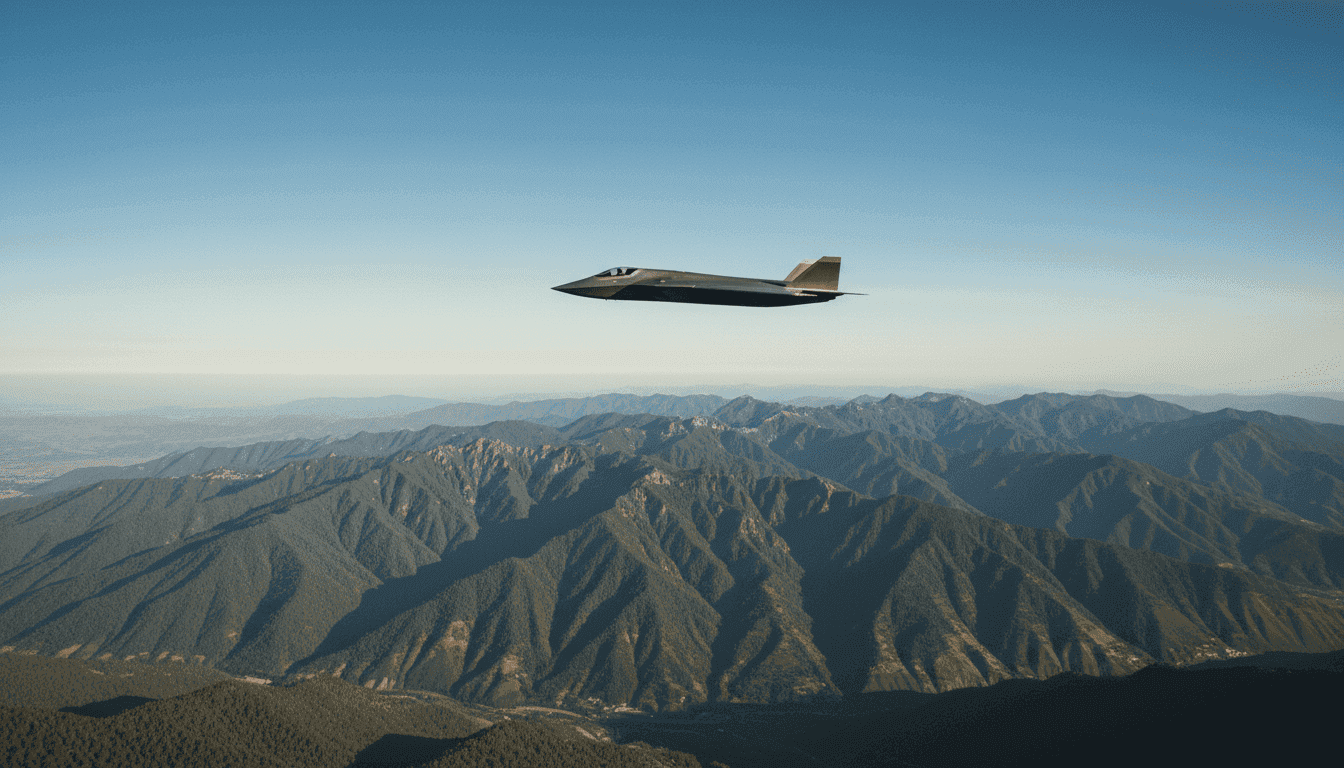
Peru fighter jet deferral has dramatically shifted a $3.5 billion procurement decision, with the interim president opting to postpone the massive acquisition until the next elected government takes office. This move, announced on Sunday, April 19, 2026, underscores the delicate political landscape in Peru and signals a commitment to democratic process amidst a significant defense expenditure.
The Story: A $3.5 Billion Decision Postponed
The core of the story revolves around Peru’s interim president making a decisive call regarding the country’s defense modernization plans. The individual, whose name was not specified in the source material but holds the office of interim president, has chosen to defer the substantial $3.5 billion fighter jet purchase. This decision effectively punts one of the largest defense procurement projects in recent Peruvian history to the incoming administration. The purchase involves a significant investment in advanced military aircraft, a move that would undoubtedly reshape Peru’s air force capabilities and regional standing.
The rationale behind the deferral, as implied by the announcement, is to ensure that such a monumental financial commitment is made by a government with a clear popular mandate. In nations experiencing periods of political transition or interim leadership, major long-term financial and strategic decisions are often placed on hold to avoid binding future administrations without their direct electoral consent. This Peru fighter jet deferral is a classic example of an interim government exercising restraint on high-stakes policy.
Impact Analysis: Shifting Sands in Politics & Policy
This deferral carries significant implications for both Peru’s domestic political scene and its international defense relationships. Domestically, it reinforces the principle that interim governments should act as caretakers, preserving national assets and strategic options rather than initiating transformative policies. It could be interpreted as a move to build trust and demonstrate accountability during a potentially sensitive political period. For the defense sector, the $3.5 billion contract represents a major opportunity for global aerospace manufacturers, and its postponement means continued uncertainty for potential bidders.
The decision will likely be welcomed by political factions advocating for fiscal prudence and democratic legitimacy, potentially easing tensions in a country often prone to political instability. Conversely, proponents of rapid military modernization might view the delay as a setback for national security, arguing that critical defense needs are being sidelined for political expediency. The interim president’s move highlights the complex interplay between national security imperatives and the principles of democratic governance, especially during transitional periods. Related politics & policy articles often detail similar challenges faced by developing nations.
Context & Background: A History of Procurement and Political Flux
Peru has a history of navigating complex political landscapes while simultaneously seeking to modernize its armed forces. Major defense procurements are often intertwined with political cycles and economic conditions. While specific details of previous fighter jet purchases were not provided, large-scale defense spending frequently becomes a point of public debate, scrutinizing cost-effectiveness, strategic necessity, and potential for corruption. The interim nature of the current presidency naturally amplifies calls for transparency and accountability in such large transactions.
“The deferral of such a substantial defense contract by an interim government sets a strong precedent for democratic accountability in high-value national expenditure decisions,” remarked a political analyst specializing in Latin American affairs.
Internationally, the global market for fighter jets is highly competitive, with major players from the United States, Europe, Russia, and China vying for contracts. A $3.5 billion deal would typically involve extensive negotiations, technology transfer agreements, and long-term logistical support. The deferral means these discussions are now effectively on hold, creating a vacuum that foreign governments and defense contractors will be closely watching. This situation could alter the competitive dynamics, giving new bidders time to prepare or current frontrunners an opportunity to refine their offers for the next government.
What’s Next: Future Implications and Decisions
The immediate implication is that the next elected government in Peru will inherit the decision-making power for this monumental fighter jet purchase. This means the procurement process will likely restart or be significantly reviewed once a new administration is firmly in place. The timeline for this, and indeed the specifics of the election, are not detailed but are crucial for understanding when the $3.5 billion deal might again move forward. Future leaders will face the challenge of balancing defense needs with other pressing national priorities, including economic development, social programs, and infrastructure. The next government will need to evaluate the strategic rationale for the purchase, assess various technological options, and negotiate terms that are financially viable and politically acceptable.
The interim president’s decision to defer the Peru fighter jet acquisition also sends a clear message about the limits of an interim government’s mandate. This could influence how other major policy decisions are handled during periods of political transition, not just in Peru but potentially in other nations facing similar circumstances. It highlights a critical aspect of democratic governance: that long-term, high-impact decisions are best made by those with a direct mandate from the populace. For more on regional dynamics, see our global defense spending analysis.
Key Takeaway: Prioritizing Mandate Over Expediency
The interim president’s decision to defer the $3.5 billion Peru fighter jet purchase is more than just a procurement delay; it’s a significant statement about the principles of democratic governance and the appropriate scope of power for an interim administration. By punting such a massive financial and strategic commitment to the next elected government, Peru’s current leadership prioritizes legitimacy and public mandate over expediency. This move will undoubtedly shape future defense policy discussions in the country and serves as a notable example of an interim government exercising judicious restraint in matters of profound national consequence.