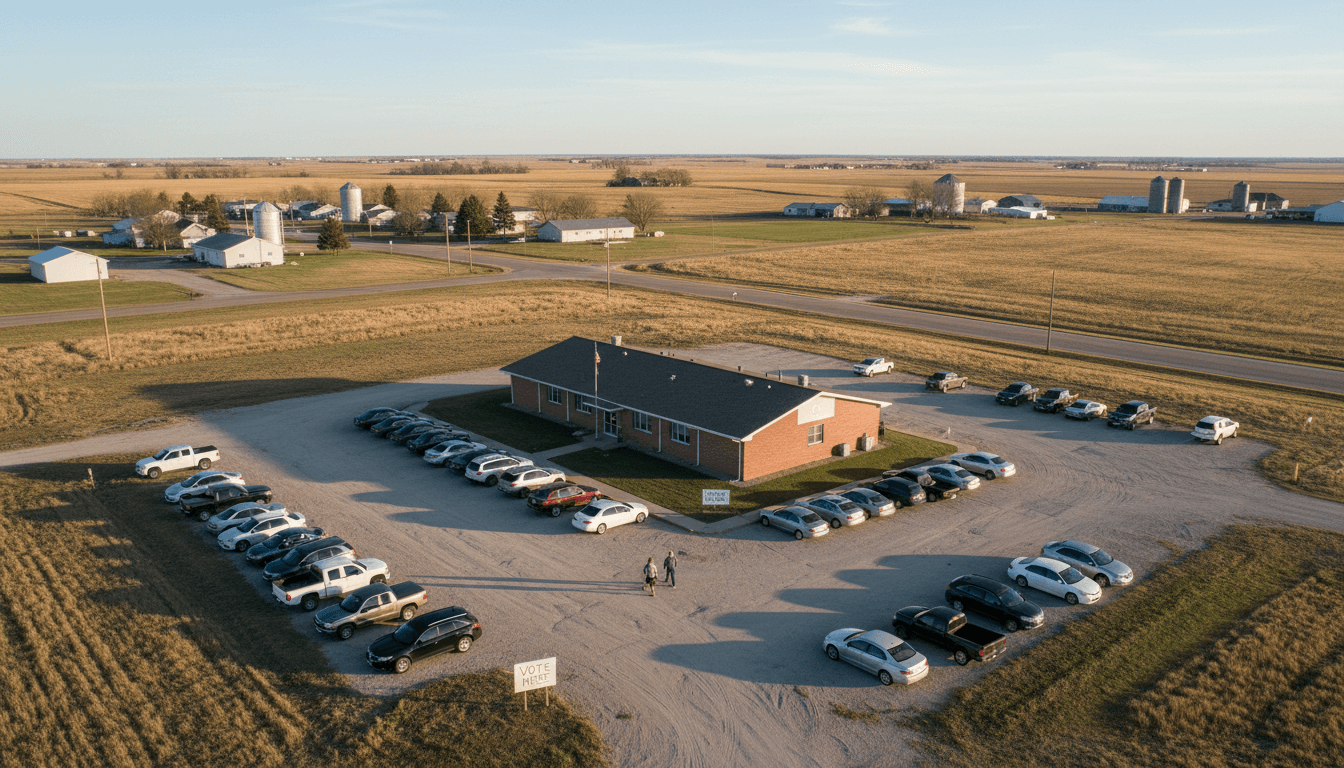
Nebraska primary ballots cast on Wednesday, May 13, 2026, yielded few surprises, largely affirming incumbent positions and expected frontrunners across various races. The outcome, as reported by WOWT, suggests a relatively stable political landscape in the state heading into the general election later this year, with established figures consolidating their support.
The Story: Nebraska Primary Ballots Cast
On Wednesday, May 13, 2026, voters across Nebraska participated in the primary elections, a crucial step in determining the candidates who will contest the general election. The day unfolded largely as anticipated, with early results indicating a strong preference for incumbent politicians and candidates who had garnered significant pre-primary support. While specific names and races were not detailed in the initial report, the overarching theme was one of continuity rather than upheaval. This trend is often observed in states with strong party infrastructure and predictable voting patterns, where primary elections serve more to formalize candidacies than to introduce dramatic shifts.
The lack of unexpected outcomes suggests that party machines and campaign strategies effectively mobilized their bases, preventing any significant upsets. This can be interpreted in several ways: either the electorate is broadly satisfied with the current political direction, or the primary challengers failed to build sufficient momentum to dislodge established figures. The results will now set the stage for the general election, where these primary winners will face off against their opponents from other parties.
Impact Analysis
The predictable results from the Nebraska primary ballots cast have several implications for the broader political and policy landscape. For one, it signals a period of relative stability for the state’s political establishment. Incumbents, having secured their party’s nomination, can now focus their resources on the general election without the distraction of an internal party challenge. This often leads to more cohesive messaging and a clearer policy agenda from the dominant parties.
Furthermore, the absence of surprises might indicate a broader trend of political entrenchment, where established figures and their policy platforms are difficult to dislodge. This can be seen as both a strength, offering stability and experience, and a potential weakness, limiting the influx of fresh perspectives and innovative policy ideas. For businesses and industries operating in Nebraska, this predictability offers a degree of certainty regarding future regulatory environments and state-level policy decisions. Investors often prefer such stability, as it reduces political risk and allows for more confident long-term planning.
“The consistent primary outcomes in Nebraska reflect a political environment where stability often trumps radical change, setting a predictable course for the upcoming general election.”
Context & Background
Nebraska, a predominantly Republican state, has historically exhibited conservative voting patterns, especially in statewide and federal elections. Primary elections often serve as a barometer for the strength of different factions within the dominant parties, but significant upsets are rare. The 2026 primary results align with a broader trend seen in several midwestern states, where voters often prioritize experience and continuity over untested challengers, particularly in years following significant national political shifts. Previous election cycles have often seen candidates with strong local ties and established political records successfully navigate primary challenges. This year’s political landscape in Nebraska, therefore, largely mirrors historical precedents, reinforcing the state’s political identity.
What’s Next for Nebraska Primary Ballots Cast
With the primary elections concluded, the focus now shifts entirely to the general election in November 2026. The candidates who successfully navigated the primary challenges will begin to intensify their campaigns, outlining their policy platforms and engaging with a broader electorate. Key issues are likely to revolve around economic development, agricultural policy, and state-level infrastructure projects, all areas where incumbent success often translates into continued policy direction. The lack of primary surprises means that party resources can be deployed more efficiently towards the general election, potentially leading to more competitive races in swing districts, even within a largely red state. Observers will be watching for any shifts in campaign strategies or emerging issues that could sway independent voters or energize specific demographic groups.
Key Takeaway
The uneventful nature of the Nebraska primary ballots cast underscores a political environment that values continuity and established leadership. For policy wonks and market analysts, this predictability offers a clear signal regarding the likely direction of state governance and its implications for economic policy. While the general election will undoubtedly bring its own set of challenges and debates, the primary results have set a stable foundation, suggesting that Nebraska’s political trajectory will remain largely consistent, eschewing radical shifts in favor of incremental progress and established policy frameworks. This steady course, while perhaps less dramatic for headline writers, is often preferred by stakeholders seeking stability and predictable governance.