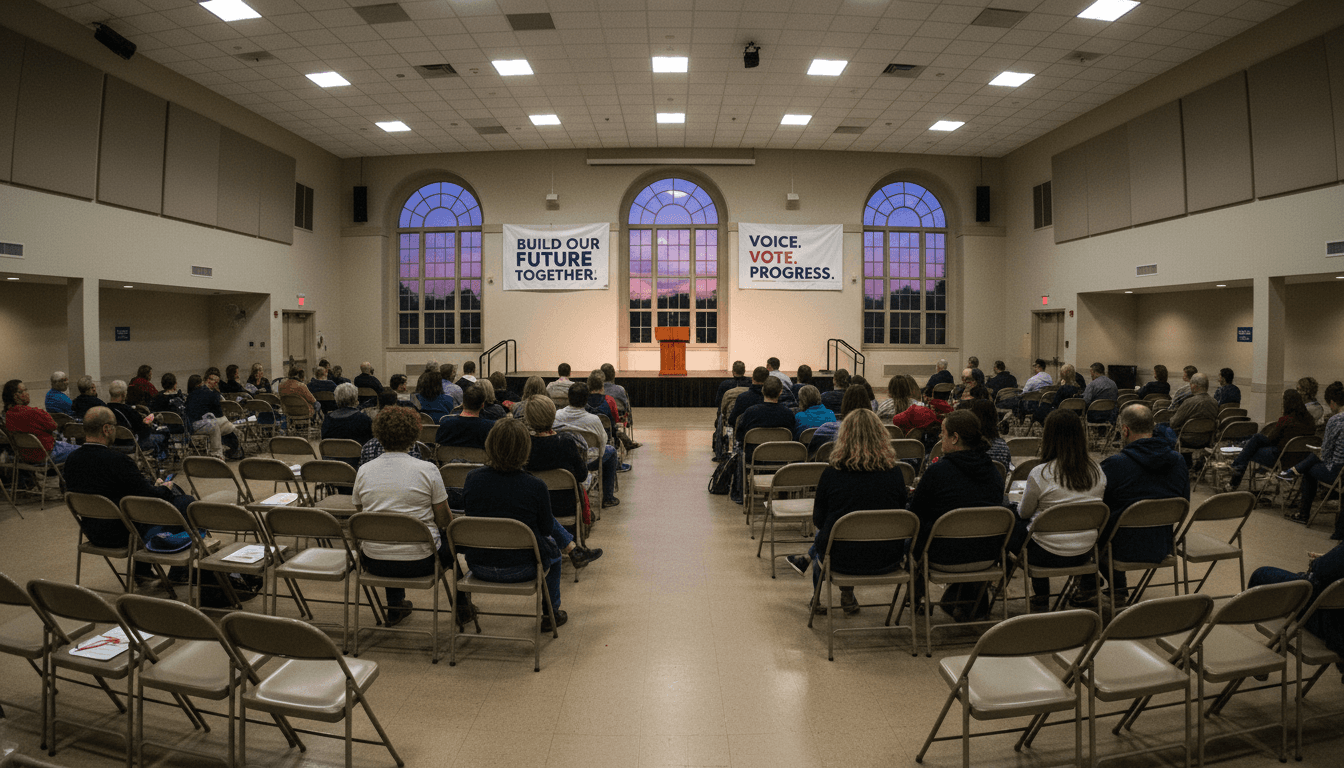
First campaign polls show nearly half of MA-6 Democratic primary voters undecided, signaling a wide-open contest as the election cycle progresses. The initial surveys, released on Monday, May 18, 2026, by andovermanews.com, highlight a significant lack of firm commitment among the electorate in Massachusetts’s 6th Congressional District, setting the stage for an intense primary battle where candidates will vie to capture the attention of a largely uncommitted voter base.
The Unfolding Contest in MA-6
The latest polling data reveals a critical juncture for candidates vying for the Democratic nomination in MA-6. With such a substantial portion of the electorate still undecided, the early stages of the campaign will be crucial for establishing name recognition, shaping narratives, and differentiating platforms. This high percentage of MA-6 Democratic primary voters undecided suggests that traditional advantages, such as incumbency or early fundraising leads, may be mitigated by the sheer volume of uncommitted voters. The contest is effectively a blank slate for nearly half of the primary electorate.
Campaigns will now face the challenge of converting these undecided voters into supporters. This typically involves increased grassroots outreach, targeted advertising, and a robust schedule of public appearances and debates. The candidates who can most effectively articulate their vision and connect with the concerns of the district’s diverse communities are likely to gain traction as the primary date approaches. Given the early stage, these polls serve as a baseline, indicating the scale of the work ahead for all contenders.
Impact Analysis
The high proportion of MA-6 Democratic primary voters undecided carries significant implications for both the immediate primary race and the broader political landscape in Massachusetts. For candidates, it means a protracted and potentially expensive primary, as resources will be poured into voter persuasion rather than simply shoring up existing support. It also suggests that endorsements and external political currents could play a disproportionately large role in swaying opinion once voters begin to pay closer attention.
From a policy perspective, candidates will likely tailor their messages to address a wide range of issues, attempting to appeal to the broad spectrum of voters who have yet to commit. This could lead to a more nuanced policy debate within the primary, as candidates avoid narrow ideological appeals in favor of broader, more inclusive platforms. For the Democratic Party, a prolonged and competitive primary could either energize the base or lead to internal divisions that need healing before the general election. Read more on competitive primary races and their impact on party unity here.
“The fact that nearly half of MA-6 Democratic primary voters are undecided indicates a truly open race, where every campaign action from now until election day will be critical in shaping the outcome.”
Context and Background
Congressional District MA-6, located in northeastern Massachusetts, has historically been a competitive district, though it has leaned Democratic in recent cycles. The dynamics of the primary are often influenced by local issues, economic concerns, and national political trends. The 2026 election cycle is unfolding against a backdrop of evolving political priorities, with voters often prioritizing issues such as economic stability, healthcare access, and climate change. Previous primary contests in Massachusetts have sometimes seen late surges from lesser-known candidates who successfully captured the mood of undecided voters.
This initial poll, published by andovermanews.com on May 18, 2026, serves as an early barometer. It contrasts with scenarios where an incumbent or a clear frontrunner might emerge early, allowing for a more focused general election campaign. The current situation suggests that candidates will need to invest heavily in voter education and engagement, particularly in a district where voter turnout in primaries can sometimes be lower than in general elections. Explore historical primary trends and voter engagement strategies.
What’s Next for MA-6 Democratic Primary Voters
The coming months will be pivotal for the MA-6 Democratic primary. Candidates are expected to intensify their campaigning efforts, leveraging town halls, digital outreach, and traditional media to connect with the undecided electorate. We can anticipate a series of debates that will provide candidates with crucial platforms to articulate their positions and distinguish themselves from their opponents. Fundraising efforts will also accelerate, as campaigns seek the resources necessary to reach a large and uncommitted voter base.
Future polls will be closely watched to see if any candidate begins to consolidate support among the MA-6 Democratic primary voters. The candidates who demonstrate strong organizational capacity and a compelling message will be best positioned to capitalize on the current uncertainty. The focus will be on converting the large bloc of undecided voters, making every campaign event and communication strategically vital.
Key Takeaway
The significant percentage of MA-6 Democratic primary voters undecided underscores the highly competitive and unpredictable nature of the race for the Democratic nomination. This early snapshot signals that the primary will likely be a hard-fought contest, with candidates needing to work diligently to earn the trust and votes of an electorate that is still weighing its options. The eventual nominee will be the one who most effectively navigates this landscape of uncertainty, demonstrating leadership and a clear vision for the district’s future.