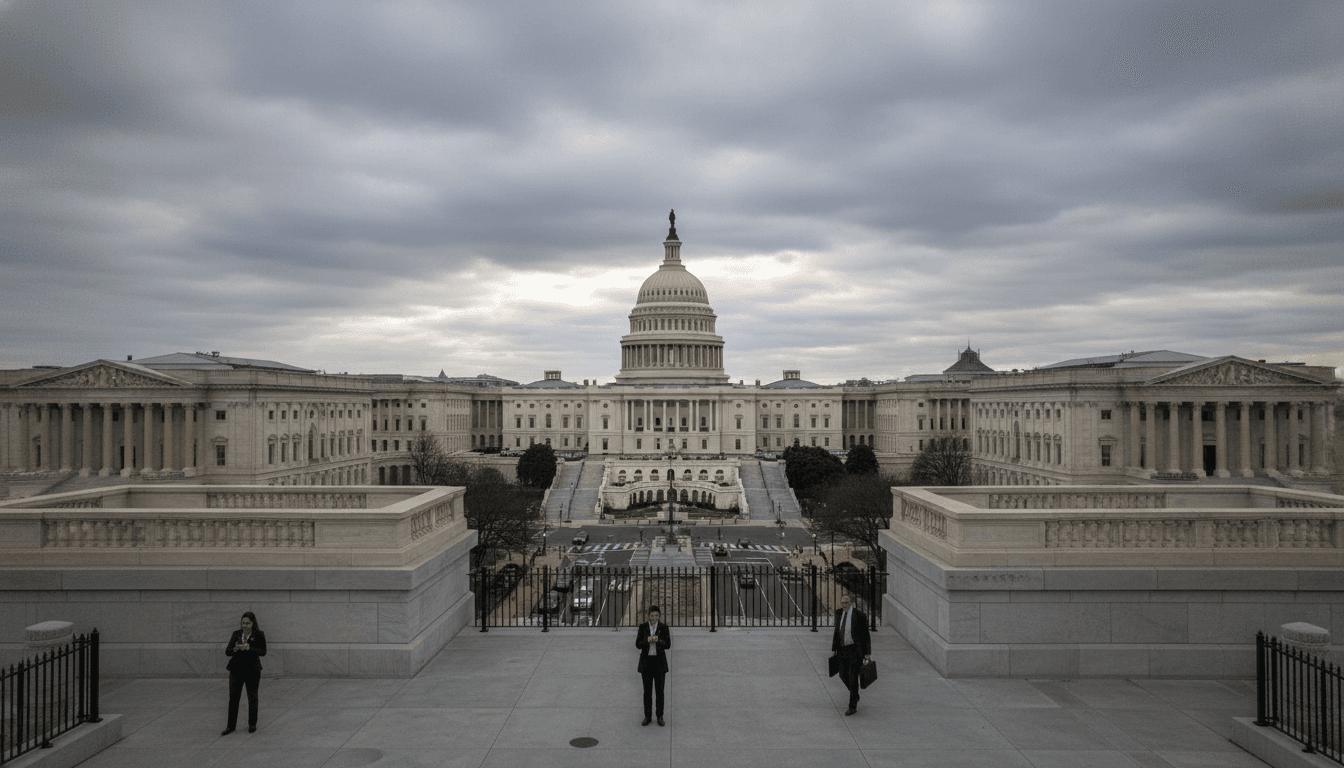
America’s longest government shutdown keeps growing, marking an unprecedented period of legislative stalemate as Senate Democrats hold firm on their demands amid escalating concerns over the Department of Homeland Security (DHS). As of Thursday, April 23, 2026, the impasse shows no signs of abating, raising questions about the functionality of the federal government and the stability of critical national security operations.
The Standoff: DHS Funding at the Core
The current shutdown stems from a deep partisan divide over funding for the Department of Homeland Security. While specific details of the legislative proposals remain under wraps, reports indicate that Senate Democrats are resisting provisions they deem detrimental to national security or civil liberties, particularly concerning border enforcement and immigration policies. The Republican-controlled House and the White House have reportedly dug in, insisting on their proposed funding levels and policy riders for DHS, leading to the prolonged deadlock.
The impact of this extended shutdown is far-reaching. Essential DHS personnel, including Border Patrol agents, TSA officers, and cybersecurity experts, are either working without pay or furloughed. This situation compromises the nation’s ability to secure its borders, airports, and critical infrastructure, creating vulnerabilities that national security experts are increasingly vocal about. The financial strain on federal employees and their families is also a significant concern, with many facing severe economic hardship.
Impact Analysis: Broader Politics & Policy Landscape
This extended government shutdown has profound implications for the broader political and policy landscape. It underscores a deep polarization in Washington, where legislative compromise appears increasingly elusive. The ability of the government to pass even basic appropriations bills is now in question, setting a worrying precedent for future fiscal deadlines. Public trust in government institutions is likely to erode further as essential services are disrupted and political infighting continues unabated.
Economically, the shutdown creates uncertainty and can negatively impact GDP growth, as federal contracts are halted, and consumer confidence may wane. The ripple effects extend to various sectors dependent on government services or regulatory approvals. Politically, both parties risk alienating voters. Democrats face pressure to demonstrate a path forward, while Republicans grapple with the optics of a government unable to govern effectively.
“The persistent inability to fund core government functions like the Department of Homeland Security signals a worrying erosion of democratic governance and poses tangible risks to national security,” a leading political analyst noted.
Context & Background: A History of Shutdowns
Government shutdowns, while disruptive, are not entirely new to American politics. However, the current situation, where America’s longest government shutdown keeps growing, surpasses all previous records in duration. Past shutdowns typically revolved around budget disputes, healthcare legislation, or specific policy riders. For instance, the shutdown of 2018-2019, which lasted 35 days, was centered on border wall funding. This current impasse, however, has specifically targeted DHS funding, highlighting the politicization of national security agencies and immigration policy.
The increasing frequency and length of these shutdowns reflect a broader trend of legislative gridlock and intensified partisan brinkmanship. The weaponization of the appropriations process has become a recurring feature, making it difficult for administrations to implement their agendas and for the government to operate predictably. This trend also reflects a shift in how political leverage is exercised, often at the expense of government efficiency and public service.
What’s Next: Seeking a Resolution
The immediate future remains uncertain as America’s longest government shutdown keeps growing. Key players include Senate Majority Leader, the Speaker of the House, and the President, all of whom must find common ground. Potential avenues for resolution could include a clean funding bill for DHS, a short-term continuing resolution to buy more time for negotiations, or a grand bargain that addresses multiple outstanding legislative issues. However, given the entrenched positions, a breakthrough appears distant. Public pressure and the accumulating economic and security costs may eventually force a compromise, but the timeline for such an event is unclear.
Upcoming decisions will likely involve intense behind-the-scenes negotiations and public appeals from both sides. The possibility of a partial or full government reopening hinges on one side blinking first or a bipartisan group emerging to broker a deal. The longer the shutdown persists, the greater the pressure on all parties to find a resolution, but also the higher the political cost of backing down from stated positions.
Key Takeaway: The Erosion of Governance
The ongoing record-breaking government shutdown is more than just a fiscal dispute; it represents a significant crisis in governance. The inability of Congress and the White House to agree on funding for a critical department like Homeland Security not only jeopardizes national security but also undermines the fundamental principles of a functioning democracy. This extended paralysis signals a worrying trend toward legislative dysfunction and raises serious questions about the future stability and effectiveness of American political institutions. The ultimate resolution, whenever it comes, will undoubtedly shape the political landscape for years to come, influencing future budget battles and the dynamics of inter-branch relations.