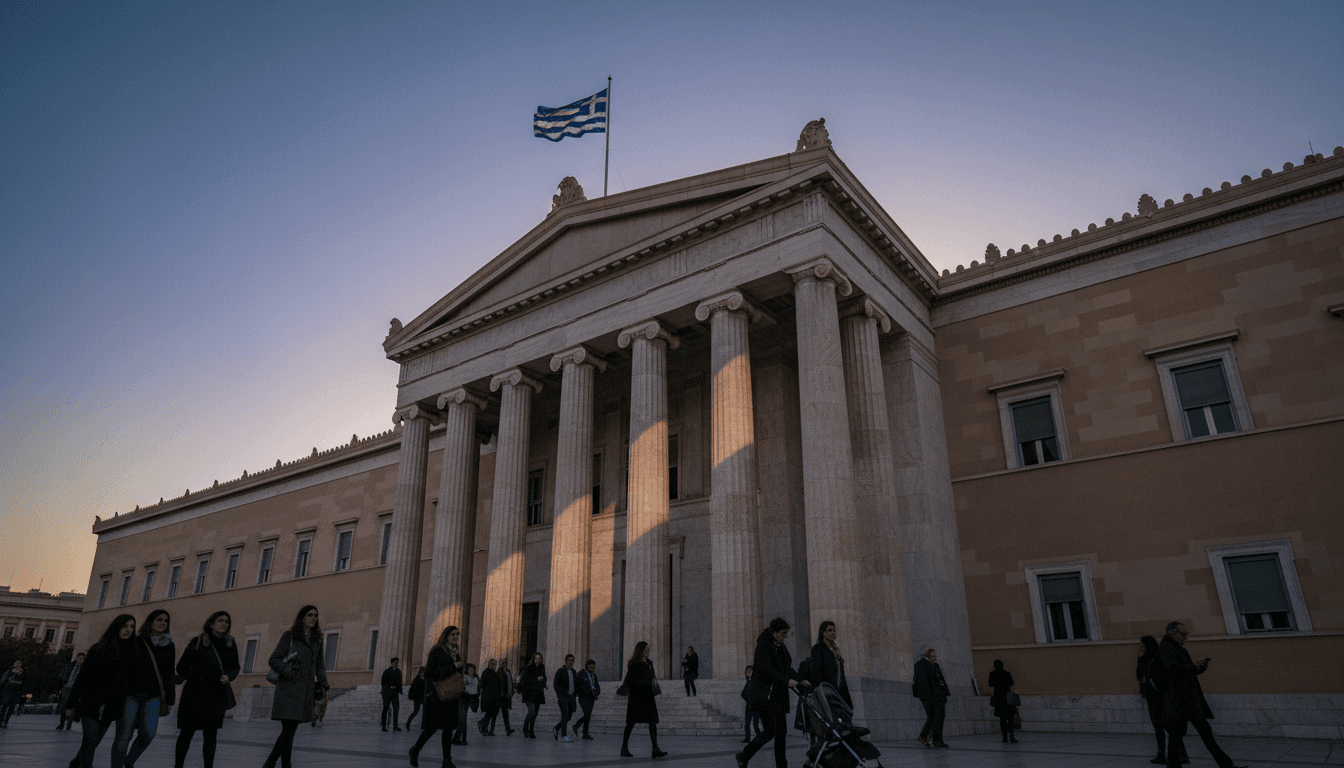
Greek lawmaker immunity lifted for eleven members of parliament on Sunday, April 12, 2026, marking a significant development in the nation’s ongoing efforts to address accountability and transparency within its political ranks. This unprecedented move, reported by National Today, signals a deepening commitment to judicial scrutiny for public officials, even those holding the highest legislative offices.
The decision to strip immunity from these eleven lawmakers, whose identities and specific alleged offenses were not detailed in the initial report, allows for their prosecution or investigation into various potential charges. Historically, parliamentary immunity has served to protect legislators from frivolous lawsuits and political persecution, ensuring their ability to perform their duties without undue interference. However, in cases where serious allegations arise, parliaments often face immense public pressure to waive these protections, allowing the justice system to proceed.
Impact Analysis
The lifting of immunity for such a substantial number of lawmakers simultaneously is a powerful statement about the current political climate in Greece. It suggests a potential shift towards greater judicial independence and a reduced tolerance for perceived impunity among the political elite. This development could have far-reaching implications for the stability of the ruling coalition, the public’s trust in democratic institutions, and the broader political discourse surrounding corruption and accountability. Opposition parties are likely to seize on this moment, using it to highlight perceived failings of the government or to push for further reforms in transparency and ethical governance. For the affected individuals, the immediate impact is the opening of legal proceedings, which could range from investigations to full-blown trials, potentially leading to convictions and the loss of their parliamentary seats. The Greek lawmaker immunity precedent set here could also embolden prosecutors in future cases, making it more challenging for politicians to shield themselves from legal challenges.
This move also has economic implications, as investor confidence is often tied to perceptions of good governance and the rule of law. A robust legal framework that holds public officials accountable can be a positive signal to international markets, suggesting a more predictable and less corrupt business environment. Conversely, prolonged political instability or high-profile legal battles could introduce uncertainty. Related politics & policy articles have frequently highlighted the importance of strong institutions in attracting foreign investment and fostering economic growth.
“This decision underscores a growing demand from the Greek populace for accountability at the highest levels of government, signaling a potential turning point in how political misconduct is addressed.”
Context & Background
Greece has a complex history with political scandals and public trust issues, often grappling with perceptions of corruption and clientelism. The country has undergone significant economic and social upheaval in recent decades, which has amplified public scrutiny of its political class. While the specifics of the current allegations against the eleven lawmakers remain undisclosed, past controversies have often involved financial misconduct, abuse of power, or breaches of public trust. The process of lifting parliamentary immunity typically involves a vote within the parliament itself, often following a request from judicial authorities. This internal parliamentary decision-making process can be highly politicized, with parties often voting along ideological lines or in defense of their members. The fact that immunity was lifted for so many suggests either a broad consensus or overwhelming evidence that compelled such a decision.
What’s Next for Greek Lawmaker Immunity?
The immediate next steps will involve the Greek judicial system taking over the cases of the eleven lawmakers. This could mean formal charges being filed, investigations intensifying, or court proceedings commencing. The duration and outcome of these legal battles will undoubtedly be closely watched by both domestic and international observers. Politically, the ruling party or coalition will need to manage the fallout, potentially facing internal dissent or external pressure to address the underlying issues that led to these allegations. There may also be calls for legislative reforms to streamline the process of lifting immunity or to introduce stricter ethical guidelines for parliamentarians. The long-term implications could include a re-evaluation of parliamentary immunity laws, potentially leading to reforms that balance the need for legislative protection with the imperative for accountability. The public’s reaction will be crucial, shaping the political narrative and potentially influencing future election outcomes.
Key Takeaway
The decision to lift the immunity of eleven Greek lawmakers on April 12, 2026, is more than just a procedural move; it represents a significant marker in Greece’s ongoing struggle for political transparency and accountability. It signals a potentially transformative moment where the traditional protections afforded to politicians are being re-evaluated in the face of public demand for justice. This development will undoubtedly reverberate through Greek politics, setting a precedent for future cases and shaping the relationship between the legislature, the judiciary, and the electorate for years to come.