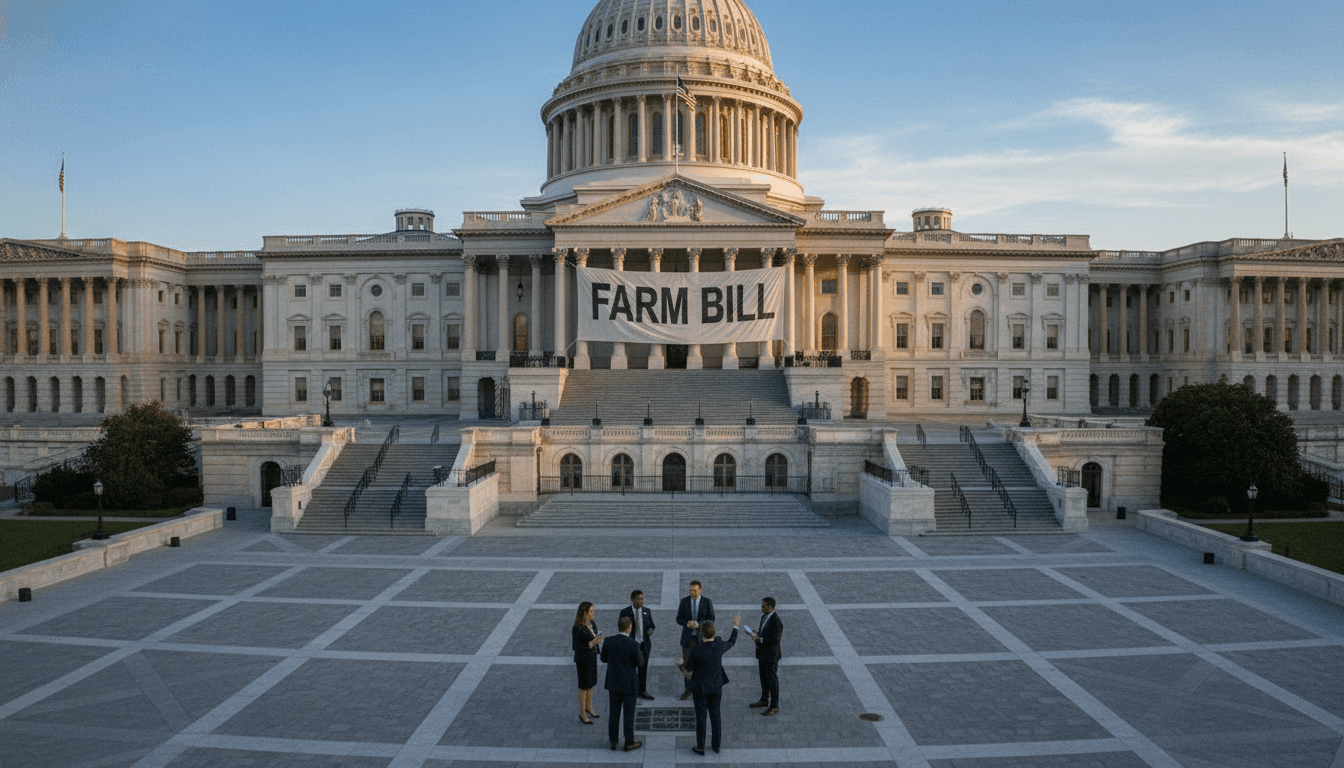
The Farm Bill advances to the Senate, marking a significant legislative hurdle cleared after weeks of intense debate, particularly over the contentious E15 ethanol mandate and critical pesticide liability provisions. The House of Representatives successfully passed the omnibus legislation on Friday, May 1, 2026, setting the stage for the next phase in the upper chamber. This progression is a testament to the intricate negotiations and political maneuvering required to shepherd such a comprehensive package through a divided Congress, impacting virtually every facet of American agriculture.
The protracted discussions surrounding the bill saw numerous factions vying for influence. Key players included agricultural industry lobbyists, environmental advocacy groups, and a bipartisan coalition of lawmakers from rural and urban districts. The most visible flashpoints were undoubtedly the provisions related to E15, a gasoline blend containing 15% ethanol, and the legal framework governing pesticide use. Supporters of E15, primarily from corn-producing states, championed its inclusion as a boost for agricultural demand and a step towards energy independence. Conversely, environmental groups and some automotive manufacturers raised concerns about its impact on older engines and air quality. The pesticide liability vote, another contentious point, pitted agricultural producers seeking protection from lawsuits against environmental and public health advocates pushing for stronger accountability.
Pesticide Liability Vote Divides House
The impact of this advancement reverberates across the political and policy landscape. For the agricultural sector, the bill’s passage brings a degree of certainty regarding subsidies, conservation programs, and risk management tools for the coming years. However, the battles fought in the House foreshadow even more rigorous debates in the Senate, where different political dynamics and regional interests will come into play. The E15 mandate, in particular, will likely face renewed scrutiny, potentially becoming a bargaining chip in broader legislative negotiations. The outcome of the pesticide liability vote also sets a precedent for how future environmental and agricultural regulations might be balanced, highlighting the enduring tension between economic interests and public welfare.
Historically, the Farm Bill has always been a political behemoth, renewed roughly every five years and encompassing everything from food stamps to crop insurance. Previous iterations have seen similar battles over environmental regulations, commodity subsidies, and trade policies. The debate over E15 is not new; it reflects a long-standing tension between conventional agriculture’s demand for ethanol and broader energy and environmental policy goals. Similarly, pesticide liability has been a recurring theme, with courts and legislatures frequently re-evaluating the balance between innovation in agricultural chemicals and consumer and environmental protection. This 2026 iteration demonstrates the persistent challenges in forging consensus on issues that touch fundamental aspects of the American economy and way of life.
“The progression of the Farm Bill, despite the fierce E15 battle and pesticide liability vote, underscores the complex balancing act inherent in agricultural policy, where economic imperatives often clash with environmental and public health concerns.”
What’s Next for the Farm Bill Advances
Looking ahead, the Farm Bill’s journey through the Senate will be closely watched. Senators are expected to introduce amendments, potentially re-opening debates on the E15 mandate and pesticide liability. The timeline for Senate consideration remains fluid, but agricultural stakeholders are keen for a swift resolution to provide stability for planting seasons and future investments. The final version of the bill will likely emerge from a conference committee, where differences between the House and Senate versions will be reconciled. This process often involves significant horse-trading and compromises, meaning the current provisions, especially those hard-won like the E15 ethanol policy, are by no means guaranteed to remain intact.
The advancement of the Farm Bill to the Senate, following the intense E15 battle and the crucial pesticide liability vote, signifies a critical step in shaping the future of American agriculture and its broader economic and environmental impacts. The ongoing legislative process will continue to test the ability of lawmakers to bridge ideological divides and deliver a comprehensive policy framework that supports farmers, protects consumers, and addresses environmental challenges in an increasingly complex world.