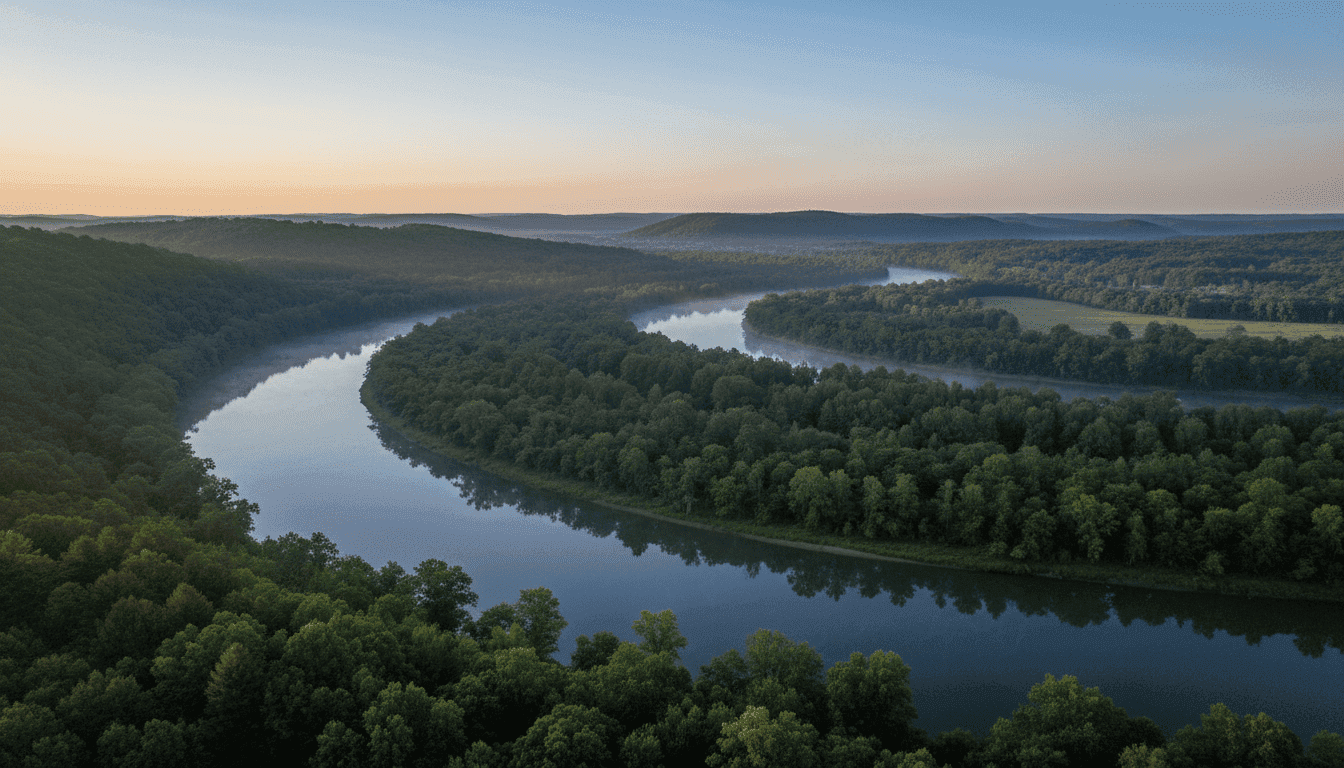
A landmark Duck River protection bill has successfully passed through the Tennessee legislature, awaiting the Governor’s signature to become law. This significant legislative action, approved on Monday, April 13, 2026, aims to safeguard one of the state’s most ecologically vital waterways from the environmental threats posed by landfills.
The Legislative Journey to Protect the Duck River
The passage of this critical legislation marks a pivotal moment for environmental conservation in Tennessee. Spearheaded by a coalition of environmental advocates, local communities, and bipartisan lawmakers, the bill specifically targets the establishment of new landfills in areas that could directly impact the Duck River’s water quality and ecosystem. While specific sponsors and vote counts were not detailed, the successful passage indicates broad support across both chambers of the General Assembly for stricter environmental protections.
The Duck River, renowned for its incredible biodiversity and as a primary source of drinking water for hundreds of thousands of Tennesseans, has been a focal point of environmental concerns for years. Proposals for new landfill developments in its vicinity have consistently sparked fierce opposition from local residents and conservation groups, who fear irreversible damage to the river’s delicate balance. This bill is a direct response to those ongoing pressures, offering a legislative shield against future encroachment.
Impact Analysis
The implications of this bill extend far beyond the immediate protection of the Duck River. Its passage sets a precedent for how Tennessee approaches environmental regulation and land use planning, particularly concerning critical natural resources. For the broader politics and policy landscape, this signifies a potential shift towards more proactive conservation measures, balancing economic development with ecological preservation. It could embolden other communities facing similar threats to their natural resources to seek legislative remedies.
Furthermore, this legislative victory could influence future infrastructure projects and industrial zoning decisions across the state, prompting developers to consider environmental impacts more rigorously. It highlights the growing power of grassroots environmental activism when channeled effectively through the legislative process. Related politics & policy articles have frequently discussed the increasing public demand for sustainable governance.
“This bill represents a significant victory for environmental stewardship, demonstrating that legislative action can provide tangible protection for our state’s most precious natural assets.”
Context & Background: A River Under Threat
The Duck River’s journey to legislative protection has been long and fraught with challenges. For decades, the river has faced various environmental pressures, from agricultural runoff to industrial pollution. However, the more recent threat of large-scale landfill operations near its banks galvanized a concentrated effort from environmentalists and local residents. These proposed landfills, often eyed for their proximity to major transportation routes and population centers, presented a direct and immediate danger to the river’s health and the communities reliant on it.
Previous attempts to mitigate these threats often relied on local zoning ordinances or legal challenges, which sometimes proved insufficient against well-funded development interests. The state-level intervention through this bill provides a more robust and comprehensive framework for protection, elevating the Duck River’s status as a protected natural resource. This aligns with a broader national trend of states taking more assertive roles in environmental conservation, especially concerning water resources.
What’s Next: The Governor’s Desk and Beyond
With the bill now heading to the Governor’s desk, all eyes are on the executive branch for its final approval. Given the broad bipartisan support it garnered in the legislature and the strong public sentiment behind it, the Governor is widely expected to sign the bill into law, solidifying the Duck River protection. Once enacted, the legislation will likely trigger a review of existing and proposed landfill permits within the designated protective zones around the river.
Beyond the immediate implementation, this legislation could inspire similar initiatives for other threatened waterways in Tennessee and beyond. It serves as a blueprint for how state governments can respond to specific environmental crises with targeted legislative solutions. Future implications may also include increased funding for monitoring and enforcement to ensure the effectiveness of the new protections.
Key Takeaway
The successful passage of the Duck River protection bill is a powerful testament to the confluence of community advocacy and legislative will in safeguarding vital natural resources. It underscores a growing recognition within Tennessee’s political landscape of the intrinsic value of its environment and the necessity of proactive measures to preserve it for future generations. This landmark decision will undoubtedly resonate across ongoing debates about development, conservation, and the role of government in balancing these often-competing interests.