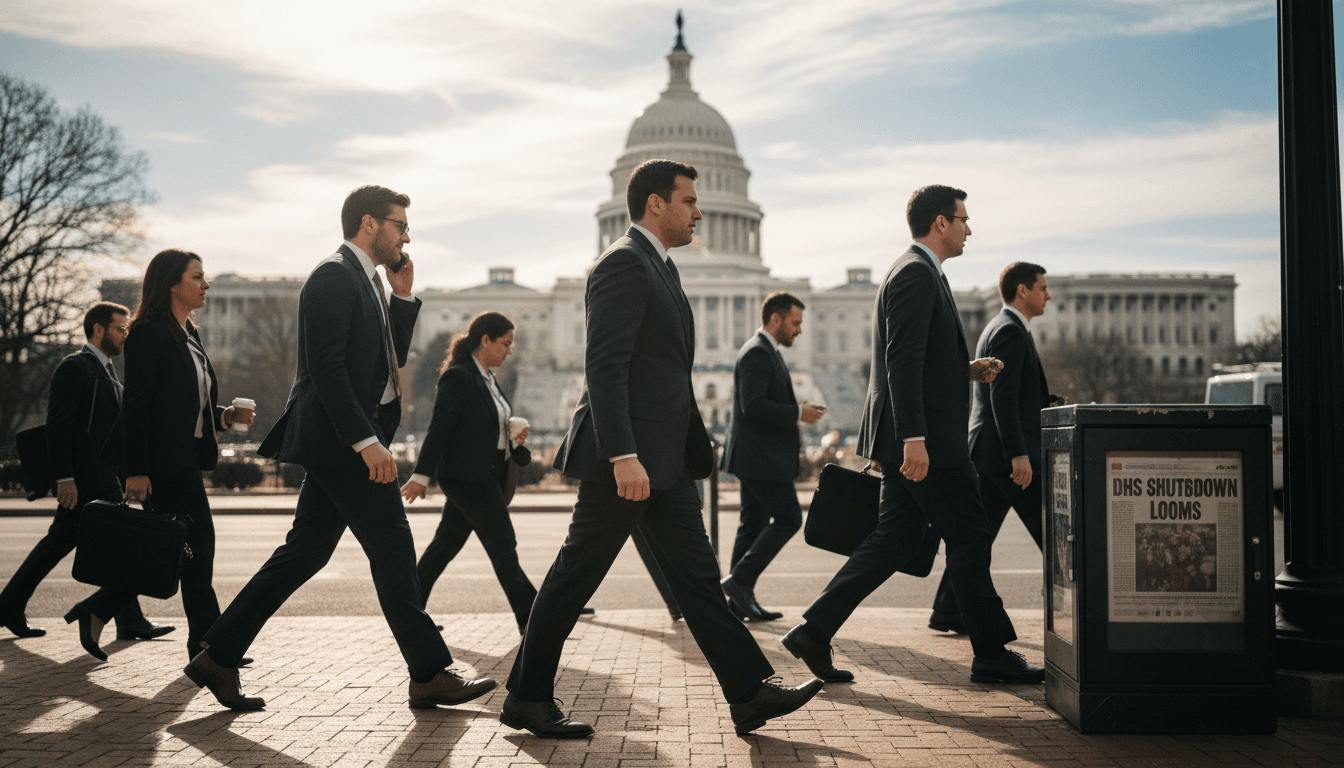
A potential DHS shutdown looms as Congress prepares to return on Monday, April 13, 2026, facing a packed agenda that includes critical government funding and a contentious voter ID bill. The impending deadline for Department of Homeland Security appropriations is set to dominate early discussions, threatening to disrupt essential services and trigger widespread political fallout if a resolution isn’t swiftly reached.
The Story: A Legislative Gauntlet Awaits
Lawmakers returning to Washington will immediately confront a trifecta of high-stakes issues. At the forefront is the looming DHS shutdown, a scenario that has become an all-too-familiar specter in recent years. Beyond the immediate funding crisis for homeland security, the broader challenge of government funding for the remainder of the fiscal year will demand significant attention, requiring delicate negotiations to avoid a more expansive federal closure. Adding another layer of complexity is a proposed voter ID bill, a piece of legislation known for its deep partisan divisions and potential to reshape electoral processes.
The return date of April 13, 2026, marks the official resumption of legislative activity, with the clock already ticking on several critical deadlines. The confluence of these major policy debates underscores the challenging landscape awaiting Congress, where compromise will be paramount but historically elusive.
Impact Analysis: Navigating a Fractured Landscape
The implications of a potential DHS shutdown extend far beyond the agency itself. A closure would disrupt border security operations, federal law enforcement activities, and critical cybersecurity initiatives, potentially compromising national security. Economically, a shutdown could lead to furloughs for tens of thousands of federal employees, impacting local economies and consumer confidence. The broader government funding debate carries even greater economic weight, with the potential for market instability and a significant drag on GDP if a comprehensive agreement isn’t reached.
The voter ID bill, while not directly tied to funding, represents a significant flashpoint in the ongoing culture wars. Proponents argue it safeguards election integrity, while opponents contend it disproportionately disenfranchises minority voters and creates unnecessary barriers to exercising democratic rights. Its inclusion on the legislative agenda signals a renewed push on an issue that has consistently divided the electorate and legislative bodies.
“The convergence of these critical issues on Congress’s return highlights the deep ideological chasms that continue to define American politics, making bipartisan solutions increasingly difficult but absolutely essential.”
Context & Background: A Cycle of Fiscal Brinkmanship
The pattern of eleventh-hour negotiations and the threat of government shutdowns has become a recurring feature of the U.S. political landscape over the past decade. Disagreements over spending priorities, often exacerbated by partisan control of different branches of government, frequently push Congress to the brink. Previous shutdowns have demonstrated both the operational challenges for federal agencies and the political costs for the parties involved. The debate over voter ID laws, similarly, has a long history, with legal challenges and legislative battles playing out across states and at the federal level, often reflecting broader national discussions about voting rights and election security.
This current situation echoes past standoffs, where fundamental disagreements over the scope and role of government spending, coupled with deeply held beliefs about electoral processes, create high-stakes legislative drama. The ability of this Congress to navigate these familiar but always challenging waters will be a key test of its capacity for governance.
What’s Next: The Road Ahead for Congress
The immediate focus for Congress will be to avert the DHS shutdown. This will likely involve intense negotiations between congressional leadership and the White House, with various proposals for stop-gap funding measures or longer-term appropriations packages emerging. The broader government funding debate will unfold in parallel, with committees working to reconcile different spending priorities and overcome budgetary impasses. The voter ID bill, given its contentious nature, may face a more protracted path, potentially leading to filibusters or amendments as parties jockey for position. The outcomes of these debates will not only determine the immediate functioning of government but also set the tone for the remainder of the legislative session, influencing everything from economic policy to social legislation. The public will be watching closely for signs of compromise or continued deadlock.
Key Takeaway: The Urgency of Governance
The upcoming legislative session, marked by the immediate threat of a DHS shutdown, underscores the critical need for effective governance and bipartisan cooperation. The challenges of funding the government and addressing deeply divisive issues like voter ID demand a level of political will and strategic negotiation that has often been absent in recent years. How Congress handles these pressing matters will not only impact the daily lives of Americans but also shape the nation’s economic stability and democratic processes for the foreseeable future. The ability to find common ground amidst profound disagreements will be the ultimate test of this legislative body.