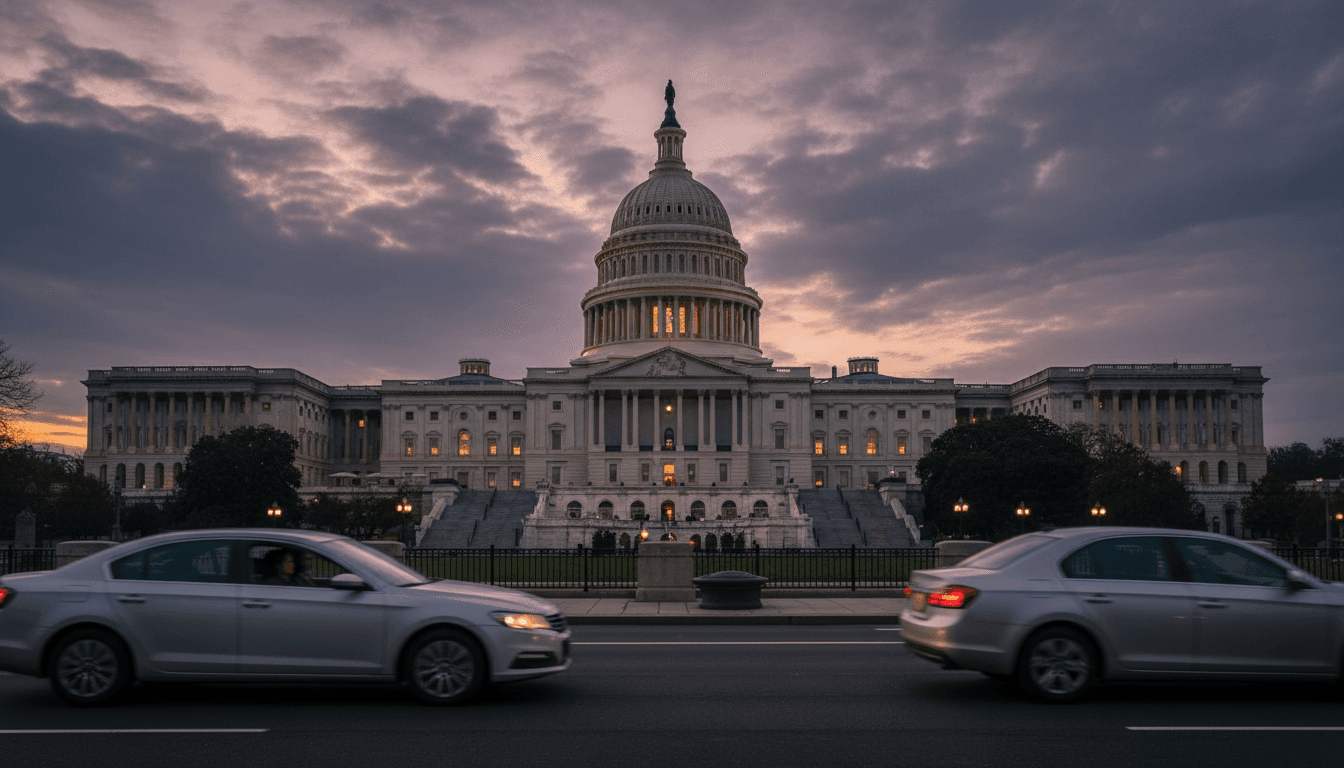
The ongoing DHS shutdown continues to ripple through Washington and across the nation, with key government functions remaining suspended as Congress grapples with its next move. As of Friday, April 18, 2026, the Department of Homeland Security remains partially unfunded, creating uncertainty for essential services ranging from border security to cybersecurity infrastructure. The stalemate highlights deep partisan divisions and the persistent challenge of securing consensus on critical appropriations bills, leaving millions of Americans wondering about the stability of vital government operations.
The core of the issue lies in the inability of lawmakers to pass a full appropriations bill for the Department of Homeland Security. While specific legislative details leading to this current impasse were not provided, the recurring nature of such shutdowns points to a fundamental disagreement over funding levels, policy riders, or a combination thereof. The impact is immediate and widespread: non-essential personnel are furloughed, while essential staff, including many in law enforcement and national security, are compelled to work without pay. This creates significant morale issues and operational vulnerabilities, raising concerns about the nation’s readiness in a complex global environment.
Impact Analysis
The political ramifications of this DHS shutdown are profound. For the ruling party, the inability to keep the government fully funded poses a significant public relations challenge, potentially eroding public trust and confidence in their governance capabilities. For the opposition, it presents an opportunity to highlight perceived governmental dysfunction, though they too face scrutiny for their role in the legislative deadlock. The broader policy landscape is also affected, as the focus shifts from substantive legislative work to crisis management, diverting attention and resources from other pressing national issues. Furthermore, the constant threat of, or actual, government shutdowns can destabilize markets and deter investment, signaling an unpredictable political climate. Businesses reliant on government contracts or regulatory approvals face delays and financial strain, contributing to broader economic uncertainty. Read more about the economic impact of government shutdowns.
“The recurring cycle of government shutdowns is not merely a political spectacle; it erodes the functional capacity of our institutions and undermines the public’s faith in effective governance.”
The Department of Homeland Security, established in the wake of the September 11th attacks, is a sprawling agency with responsibilities that touch nearly every aspect of national security and public safety. Its components include Customs and Border Protection, Immigration and Customs Enforcement, the Transportation Security Administration, the Coast Guard, and the Secret Service. A partial shutdown means disruptions across these critical functions, from screening travelers at airports to securing the nation’s borders and responding to cyber threats. The longer the DHS shutdown persists, the greater the potential for accumulating backlogs and operational inefficiencies that will take considerable time and resources to rectify.
Context & Background
Government shutdowns, particularly those affecting critical departments, have become an unfortunate feature of American political life over the past few decades. While the specifics of each shutdown vary, they often stem from clashes over budget priorities, spending caps, or attempts to attach contentious policy provisions to appropriations bills. The current situation with the DHS shutdown echoes previous standoffs where one party has sought to leverage the appropriations process to achieve policy goals that might otherwise fail to pass through regular legislative channels. These events highlight the increasing polarization within Congress and the challenges of bipartisan compromise, especially in an election cycle or leading up to one, where political posturing often takes precedence over pragmatic governance.
What’s Next for the DHS Shutdown
The immediate future hinges on Congress’s next vote. Lawmakers are currently weighing their options, which could include another short-term continuing resolution (CR) to temporarily fund the department, a revised appropriations bill that addresses some of the contentious points, or a prolonged standoff that could drag the shutdown into the coming weeks. The pressure from constituents, affected federal employees, and various industry groups will undoubtedly mount, pushing Congress to find a resolution. However, reaching a consensus will require significant concessions from both sides, which, given the current political climate, remains a formidable challenge. The outcome of this vote will not only determine the fate of DHS funding but also set a precedent for future budgetary negotiations and the broader legislative agenda.
Key Takeaway
The ongoing partial closure of the Department of Homeland Security underscores a critical vulnerability in the American political system: the repeated failure to achieve timely and comprehensive appropriations. This not only disrupts vital government services and places undue strain on federal employees but also projects an image of instability and dysfunction on the global stage. The resolution of this current DHS shutdown will be a crucial test of Congress’s ability to govern effectively and prioritize national security and public welfare over partisan gridlock. The long-term implications of such recurring impasses could fundamentally alter public perception of government efficacy and erode the operational integrity of key federal agencies. Explore more analyses on legislative stalemates and their policy implications.