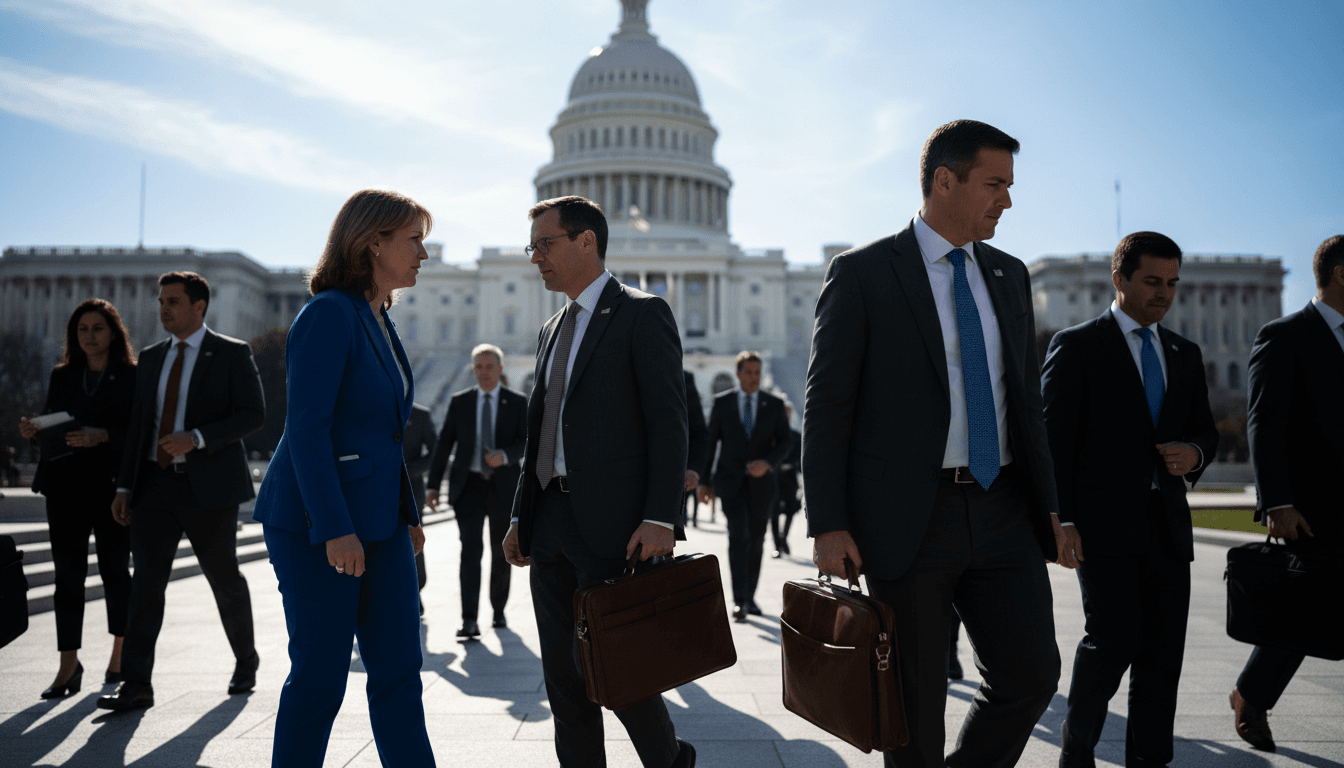
The US House of Representatives will set a Thursday vote on the Senate-passed DHS funding bill, a critical procedural step that could avert a partial government shutdown and ensure the continued operations of the Department of Homeland Security. This legislative maneuver, announced on Thursday, April 30, 2026, by Reuters, highlights the ongoing political negotiations and the urgency to finalize appropriations before critical deadlines.
The Story: Congressional Action on DHS Funding
The central development involves the US House of Representatives moving to vote on a funding bill for the Department of Homeland Security (DHS) that has already successfully cleared the Senate. This impending vote, scheduled for Thursday, April 30, 2026, is a direct response to the Senate’s prior approval of the measure. The legislative calendar underscores the swift action being taken by congressional leaders to address critical agency funding. The specific details of the bill, while not fully enumerated in the immediate report, are understood to encompass the financial allocations necessary for DHS operations, including border security, immigration enforcement, cybersecurity, and disaster response.
The procedural alignment between the two chambers of Congress on the DHS funding bill is particularly noteworthy. It suggests a degree of bipartisan consensus, or at least a practical imperative, to avoid a lapse in funding for a department with broad national security and public safety responsibilities. The swift scheduling of the House vote after Senate passage indicates a desire to expedite the legislative process and provide certainty to the department’s operations.
Impact Analysis: Broader Political & Policy Implications
The decision to set a Thursday vote on the Senate-passed DHS funding bill carries significant implications for the broader political and policy landscape. Firstly, it demonstrates the capacity of Congress to coalesce around essential appropriations, even amidst a frequently contentious legislative environment. A failure to fund DHS would have immediate and severe consequences, potentially disrupting critical national security functions, border management, and emergency services. The House’s move signals a commitment to maintaining these vital operations.
Secondly, the passage of this bill could serve as a precedent or at least a temporary reprieve from the specter of government shutdowns that have plagued recent congressional sessions. Successfully navigating this funding challenge might build momentum for future appropriations debates, or at minimum, prevent a major political crisis. Conversely, any unexpected hurdles during the House vote could reignite concerns about legislative gridlock and the ability of Congress to govern effectively.
“The swift scheduling of this vote underscores the perceived urgency by congressional leadership to stabilize funding for a department critical to national security and daily operations.”
The outcome of this vote will also be closely watched for its impact on immigration policy debates. As DHS is at the forefront of border management and immigration enforcement, the funding levels and any specific directives embedded within the bill could subtly influence the administration’s capacity to implement its immigration agenda. This is particularly relevant given ongoing debates about border security and the influx of migrants, which often become flashpoints in federal budget negotiations. For more insights into these ongoing legislative battles, readers can explore related politics & policy articles on our platform.
Context & Background: A History of Funding Battles
Funding for the Department of Homeland Security has frequently been a contentious issue in US politics, often entangled with broader debates over immigration policy, border security, and federal spending priorities. Previous years have seen multiple instances where DHS appropriations bills became bargaining chips in larger legislative battles, sometimes leading to temporary funding measures or even partial shutdowns. These historical precedents underscore the significance of the current effort to pass a full funding bill in a timely manner.
The current legislative push comes against a backdrop of heightened national security concerns, including evolving cyber threats, global geopolitical instability, and persistent challenges at the nation’s borders. Ensuring a stable and predictable funding stream for DHS is crucial for the agency to effectively respond to these complex and dynamic threats. The Senate’s earlier passage of the bill indicates a certain level of bipartisan agreement on the necessity of these funds, setting the stage for the House’s upcoming deliberation.
What’s Next: The House Floor and Beyond
The immediate next step is the Thursday vote in the US House of Representatives on the Senate-passed DHS funding bill. Should the House approve the measure, it would then proceed to the President’s desk for signature, officially enacting the appropriations into law. A successful passage would provide the Department of Homeland Security with the necessary resources and budgetary certainty for the foreseeable future, allowing it to continue its wide-ranging operations without interruption.
However, the political landscape remains fluid. Even with Senate approval, House passage is not a foregone conclusion, though the scheduling of the vote suggests confidence among leadership. Any unexpected amendments or procedural challenges in the House could complicate the process. Beyond this immediate vote, the broader implications include how this successful or unsuccessful funding effort might influence future budget negotiations for other federal agencies and the overall tone of inter-party relations in Congress.
Key Takeaway: Stabilizing a Critical Agency
The impending Thursday vote on the Senate-passed DHS funding bill represents a critical juncture for federal operations and congressional efficacy. Its passage is essential for stabilizing the Department of Homeland Security, an agency vital to national security, border protection, and emergency response. The ability of Congress to coalesce around this essential funding, despite underlying political tensions, will be a key indicator of its capacity to deliver on fundamental governance responsibilities, potentially averting a disruptive funding lapse and reinforcing the continuity of critical government services.