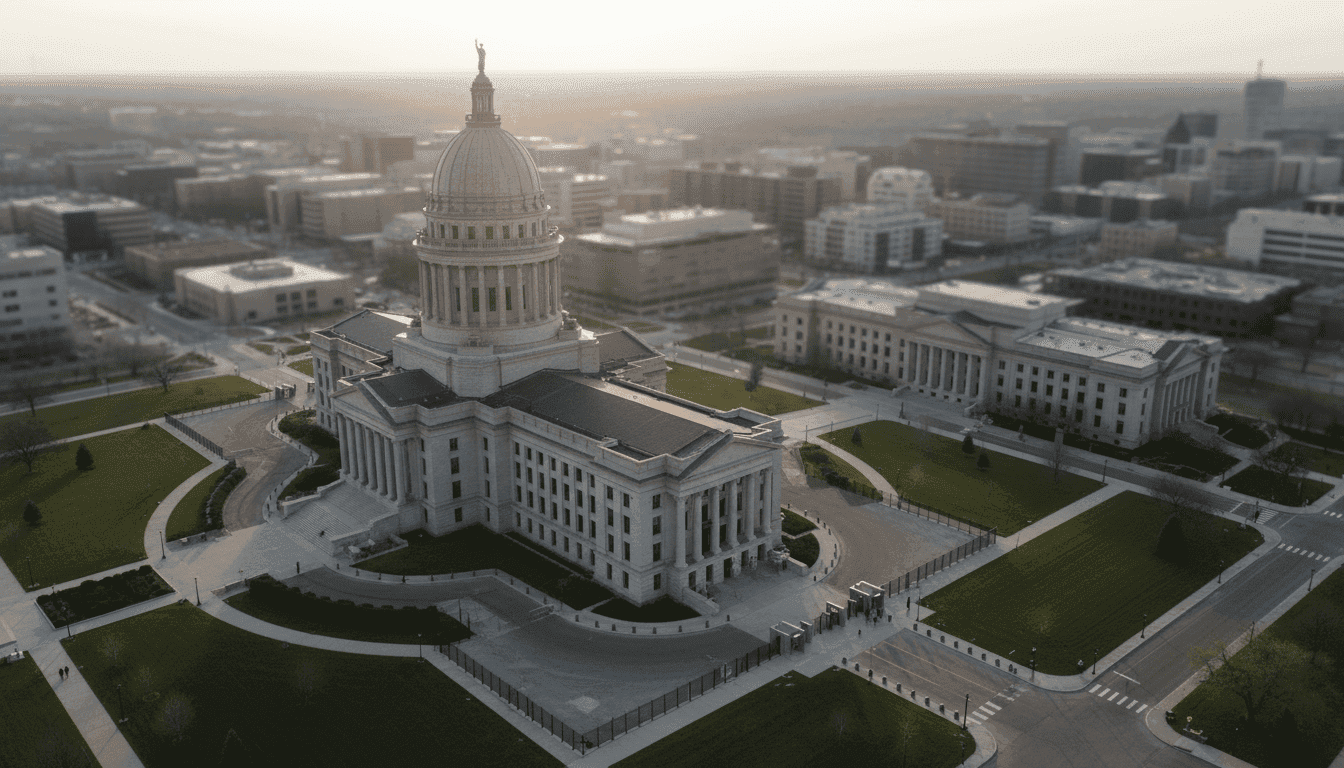
Dramatic Capitol security changes have officially become law in Nebraska, as Governor Jim Pillen allowed a significant legislative package to take effect without his signature on Friday, April 17, 2026. This move signals a nuanced approach from the Governor, who simultaneously exercised his veto power on four other bills, highlighting a selective engagement with the legislative outcomes of the recent session.
The Unsigned Enactment and Vetoed Measures
Governor Pillen’s decision regarding the Capitol security changes represents a legislative maneuver known as a ‘pocket sign,’ where a bill becomes law without explicit gubernatorial approval after a set period. While the specific details of these security enhancements were not elaborated upon in the initial reporting, their enactment without a direct signature suggests either a tacit agreement with the measures or a strategic avoidance of publicly endorsing potentially contentious provisions. This contrasts sharply with his direct rejection of four other bills on the same day, underscoring a clear distinction in his legislative priorities and concerns.
The identities and subject matter of the four vetoed bills were not disclosed, but the act of vetoing them affirms the Governor’s prerogative to shape the state’s legal framework. This dual action—allowing one set of measures to pass quietly while actively blocking others—offers a glimpse into the political calculations and policy considerations at play within the Nebraska executive branch.
Impact Analysis of Capitol Security Changes
The implementation of new Capitol security changes will undoubtedly have tangible effects on the day-to-day operations and public access protocols of the Nebraska State Capitol. For staff, lawmakers, and visitors, these changes could range from altered entry points and increased screening procedures to enhanced surveillance and personnel deployment. The broader political landscape will be watching for how these measures are received by the public and whether they strike an appropriate balance between safety and accessibility, a perennial challenge for public institutions.
“The Governor’s decision to let the security bill pass without his signature, while vetoing others, indicates a strategic navigation of legislative outcomes, balancing perceived necessity with political optics.”
From a policy perspective, the impetus behind these enhancements likely stems from evolving security assessments and perhaps national trends in protecting government facilities. The precise nature of the threats or vulnerabilities that prompted these changes remains to be detailed, but the legislative body and the executive branch evidently deemed them critical enough to warrant new statutory provisions. These dramatic Capitol security changes will now shape the physical and operational environment of the state’s legislative hub.
Context and Background
Security concerns at state capitols have been a growing focal point across the United States, particularly in recent years. Events both national and local have prompted many states to re-evaluate and often fortify their government buildings. This trend reflects a broader societal discussion about public access, free speech, and the protection of democratic institutions. While the Nebraska Capitol has historically maintained a relatively open posture, the enactment of these new measures suggests a shift, aligning with a national movement towards heightened security protocols in public spaces. Previous legislative sessions may have seen discussions or proposals related to security, but the passage of this package indicates a culmination of those efforts into concrete policy.
What’s Next for Nebraska’s Capitol Security
Looking ahead, the operationalization of these Capitol security changes will be the immediate next step. State agencies responsible for Capitol management and security will be tasked with implementing the new protocols, which could involve public announcements, revised visitor guidelines, and staff training. It will be crucial to observe how these changes are communicated to and impact the public. Any significant shifts in public access or perceived restrictions could generate debate and potentially lead to further policy discussions in future legislative sessions. Furthermore, the effectiveness of these new measures will be continuously evaluated, potentially leading to adjustments or further enhancements down the line. The long-term implications for the civic engagement and public perception of the Nebraska State Capitol are yet to fully unfold.
The Governor’s mixed approach—allowing key legislation to pass without explicit endorsement while actively blocking others—underscores the complex interplay of governance and political strategy. These dramatic Capitol security changes mark a significant moment for Nebraska’s state government, reflecting both contemporary security imperatives and the intricate dynamics of legislative power.