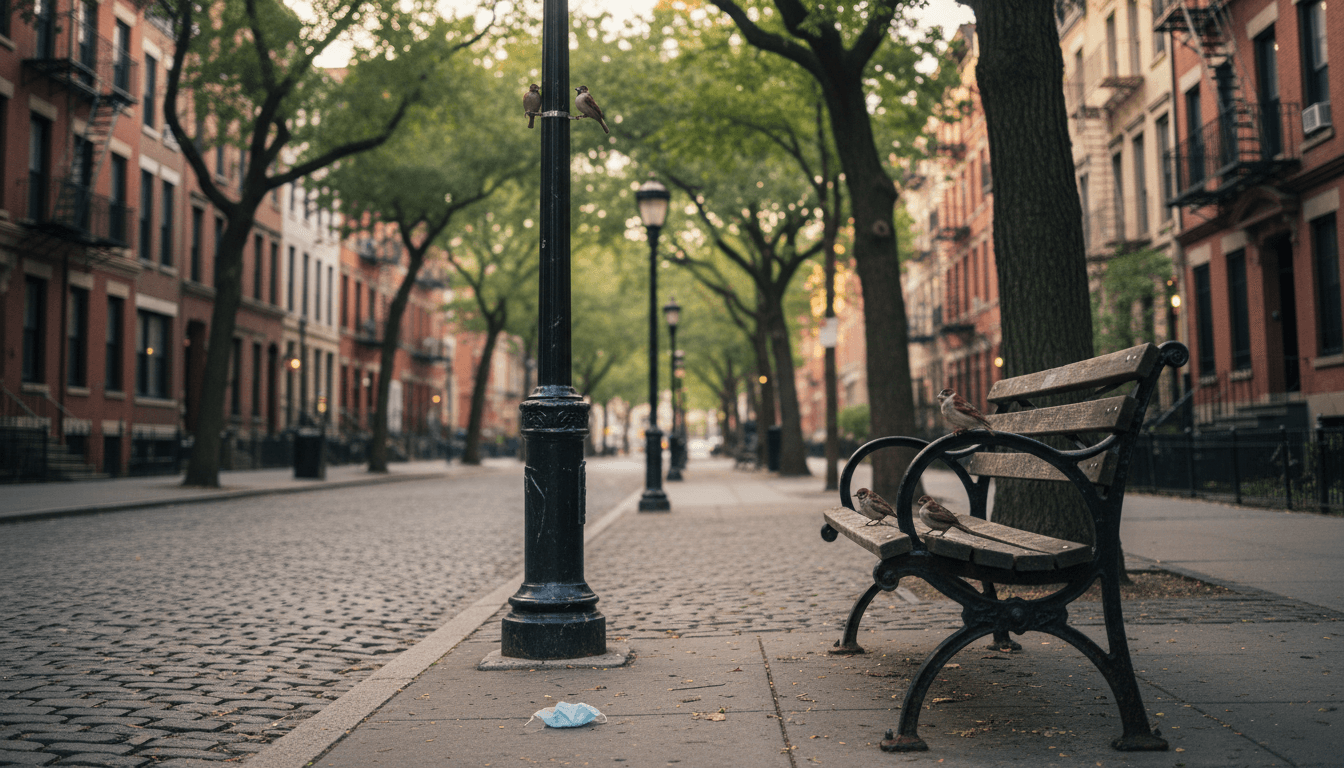
Wildlife thrives as human noise pollution drops, a phenomenon first observed during the initial stages of the Covid-19 pandemic. When the world suddenly grew quieter, Jennifer Phillips, like many others, noticed the songs of sparrows were easier to hear. Car traffic plummeted as people sheltered at home and shifted to remote work. Air travel collapsed. Cities—normally filled with the honking, screeching, engine-gunning riot of transportation—became as silent as a remote forest floor. This dramatic reduction in anthropogenic noise offered an unexpected, albeit temporary, reprieve for many animal species, revealing profound insights into their behavior and ecosystems.
The Silent Cities and Nature’s Response
The sudden global shift to remote work and reduced travel created an unprecedented natural experiment. For the first time in decades, vast urban landscapes experienced a significant drop in ambient noise levels. This wasn’t just a minor reduction; in many areas, sound levels decreased by over 50%. Researchers quickly began to document the impact on local wildlife. Birds, for instance, were observed singing at lower frequencies and for longer durations, no longer needing to compete with the roar of traffic. Some species, previously driven to the fringes of urban areas, began to venture back into city centers, adapting quickly to the newfound tranquility.
“The pandemic offered a rare glimpse into a world where human activity wasn’t the dominant soundtrack, allowing us to better understand the true impact of our constant noise.”
Understanding the Harm of Anthropogenic Noise
Long before the pandemic, scientists understood that human-generated noise, or anthropogenic noise, significantly impacts animal behavior and physiology. It interferes with communication, disrupts hunting and mating patterns, and can even cause chronic stress. Birds struggling to hear mates or predators over traffic noise, marine animals disoriented by ship propellers, and even insects affected by the low-frequency rumble of infrastructure – the evidence was mounting. The quiet period of the pandemic offered a stark contrast, highlighting just how pervasive and detrimental this often-overlooked form of pollution truly is. The rapid return of wildlife to quieter spaces underscored their inherent sensitivity to soundscapes.
Wildlife Thrives as Human Noise Pollution Drops
The observations from the pandemic period provide a compelling case for rethinking urban planning and transportation strategies. If wildlife thrives as human noise pollution drops, then intentional efforts to reduce noise could have significant ecological benefits. This includes implementing quieter road surfaces, promoting electric vehicles, creating more green spaces that absorb sound, and establishing ‘quiet zones’ within cities. The long-term health of ecosystems, and indeed our own well-being, is intrinsically linked to the sound environments we create. Further research into how wildlife thrives as human noise pollution drops will be critical in developing sustainable urban ecosystems. For more insights into how industries are adapting to environmental concerns, visit our related Industries news section.
Future Implications for Biodiversity and Urban Planning
The insights gained from the pandemic’s quiet period are invaluable. They demonstrate the remarkable resilience of nature and its capacity for rapid recovery when human pressures are temporarily eased. Moving forward, the challenge lies in translating these temporary observations into permanent solutions. Integrating noise reduction into infrastructure development, promoting quieter forms of transportation, and fostering public awareness about the impact of noise pollution are all crucial steps. By learning from this unprecedented period, we have an opportunity to design cities that are not only more livable for humans but also allow local ecosystems to flourish, ensuring that wildlife thrives as human noise pollution drops becomes a deliberate outcome, not just a fleeting phenomenon.